Plants That May Attract Snakes Around Your Home — What You Should Avoid
Plants That May Attract Snakes Around Your Home — What You Should Avoid
A widely shared article warns that some common plants grown around homes may unintentionally attract snakes, creating hidden risks for families.
The key point is not that snakes are drawn to the plant itself, but to the environment those plants create—such as shade, moisture, and the presence of prey.
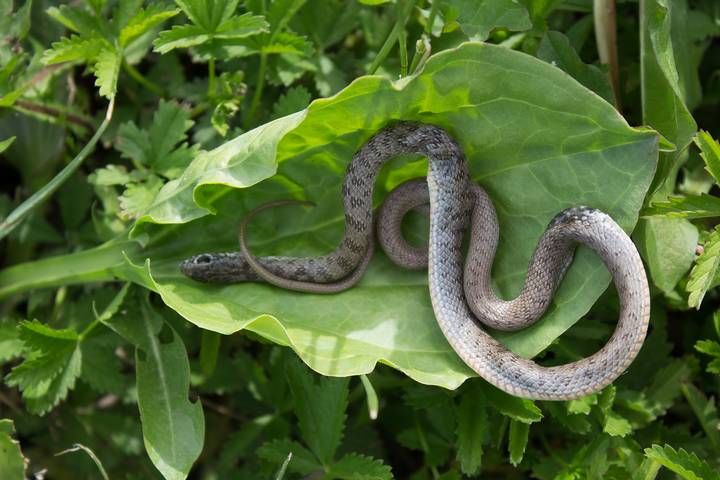
Why Certain Plants Attract Snakes
According to the article, snakes are usually attracted to places that offer:
- Cool, shaded shelter
- Moist environments
- Food sources like rodents, frogs, or insects
Dense or overgrown plants can provide exactly these conditions, making areas around the house more appealing for snakes to hide.
Types of Plants to Avoid Near the House
Dense Ground-Cover Plants
Plants like ivy or creeping vines may look decorative, but they grow thick and low, creating perfect hiding spots for snakes.
Tall Grass or Bushy Plants
Plants that grow dense and untidy—such as lemongrass or thick shrubs—can provide shade and protection, making snakes feel safe staying nearby.
Plants That Attract Prey
Some plants attract insects, rodents, or frogs. These animals are food sources for snakes, which means snakes may follow them into your yard.
Moisture-Retaining Plants
Plants that require frequent watering or trap humidity can create a damp environment—something snakes prefer, especially in hot weather.
Plants That Create Debris
Plants that drop many leaves or fruits can create piles of organic matter. These piles attract insects and rodents, indirectly drawing snakes closer to the house.

The Real Risk
The article emphasizes that snakes don’t randomly appear—they are drawn by shelter and food.
If your garden:
- Is overgrown
- Has many hiding spots
- Attracts small animals
then it becomes a suitable habitat for snakes.
How to Reduce the Risk
To make your home less attractive to snakes, experts recommend:
- Keeping the garden clean and trimmed
- Avoiding dense plants near entrances
- Removing piles of leaves or debris
- Limiting standing water and moisture
- Controlling rodents and insects

The Bottom Line
Plants themselves are not “dangerous,” but poor choices and lack of maintenance can turn your garden into a comfortable hiding place for snakes.
Choosing the right plants—and keeping your yard clean—can significantly reduce the risk and help protect your home and family.


0 comments:
Post a Comment