Living with type 2 diabetes often means facing strict daily routines and treatments that can feel incredibly exhausting to keep up with over time. The constant schedule of injections, the worry about missing a dose, and the way it interrupts your normal life can wear anyone down. Now the FDA has approved Awiqli, a new once-weekly basal insulin option specifically for adults with type 2 diabetes.
But here’s what makes this news different — and why it could matter for so many people managing blood sugar alongside diet and exercise. Stick with me because we’re going to break down exactly what this approval means in practical terms.

Why Daily Insulin Has Felt Like Such a Burden for So Long
For years, many adults with type 2 diabetes who need basal insulin have relied on daily injections to help maintain steady blood sugar levels. That meant seven shots a week, every single week, no matter how busy life got.
The routine added mental load on top of everything else — remembering supplies, finding private moments during travel or work, and dealing with the physical reminder of the condition multiple times a day.
It’s no wonder so many people described it as tiring. Research has long shown that injection fatigue is one of the biggest challenges in sticking with diabetes management plans long-term.
Meet Awiqli: The First FDA-Approved Once-Weekly Basal Insulin
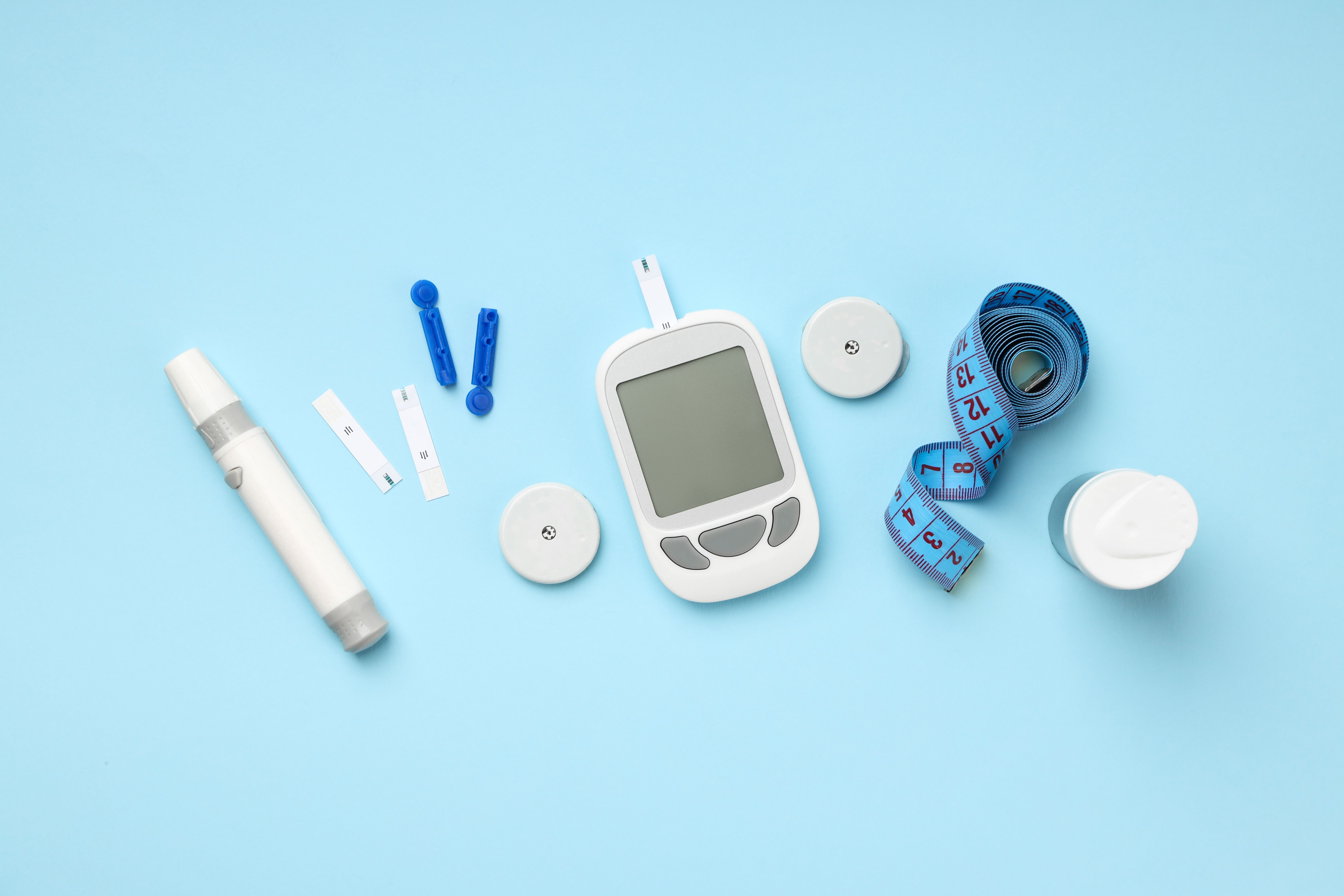
Awiqli (insulin icodec-abae) from Novo Nordisk is the first basal insulin approved by the FDA for once-weekly use in adults with type 2 diabetes. It works as a long-acting insulin that you inject just once a week — on the same day each time — using a convenient FlexTouch pen.
Instead of daily dosing, this option is designed to provide steady coverage throughout the entire week. It is intended to be used together with a healthy diet and regular physical activity to support overall glycemic control.
Clinical studies involving more than 2,600 adult patients helped support the approval. These trials compared the once-weekly approach to traditional daily basal insulins and found it performed comparably in helping manage blood sugar levels.
How Awiqli Works Differently — And Why That Matters
Here’s the interesting part: Awiqli uses a special mechanism that allows it to bind to albumin in the body, releasing slowly over seven days. This built-in design is what makes the once-a-week schedule possible without losing the steady action that basal insulin needs to provide.
But that’s not all. The approval focused on making the routine simpler while keeping the same careful medical oversight that any insulin requires.
Weekly vs. Daily Insulin: A Side-by-Side Look

Understanding the practical differences helps paint a clearer picture. Here’s what stands out based on the available data:
- Dosing frequency: Once a week with Awiqli compared to once daily with traditional basal insulins
- Injection count: Just 52 injections per year versus roughly 365
- Convenience: Easier to remember and schedule around work, travel, or family life
- Pen design: Uses the familiar FlexTouch pen many patients already know
- Monitoring needs: Blood sugar checking and doctor follow-ups remain essential either way
The studies showed similar safety profiles overall, though individual experiences can vary.
What This Could Mean for Your Day-to-Day Life
Imagine starting your week with one injection instead of seven. For many adults juggling jobs, family responsibilities, and everything else, that reduction in burden feels meaningful.
Fewer injections may also mean less opportunity for injection-site discomfort to build up over time. Plus, it simplifies packing supplies when you’re on the go.
Of course, this isn’t about replacing your entire management plan — it’s about making one important piece of it easier to maintain consistently.
Practical Steps You Can Take Right Now
If you’re curious whether Awiqli might fit into your care plan, here are clear next steps you can follow today:
- Schedule a conversation with your healthcare provider about your current insulin routine and blood sugar trends
- Prepare a short list of questions: How would the dosing schedule work with my lifestyle? What monitoring changes might I expect?
- Review your diet and exercise habits — these remain key partners for any insulin therapy
- Ask about insurance coverage and how the new option might compare in cost and availability
- Track your current experiences for a week or two so you can discuss real data with your doctor
These small actions help you stay in control while exploring new possibilities.
Important Safety Information and What to Watch For
Like all insulins, Awiqli carries risks that require professional medical supervision. The most common concerns include low blood sugar (hypoglycemia), injection-site reactions, and possible weight changes — all details your doctor will review with you.
It is not a one-size-fits-all solution. Your healthcare team will determine the right starting dose and any adjustments based on your individual needs, lab results, and response.
Never make changes to your insulin regimen without guidance from a qualified provider.
Lifestyle Habits That Make Any Insulin Plan Work Better
No matter which insulin option you use, daily habits still play a huge role. Here are proven strategies many people find helpful:
- Focus on consistent meal timing and balanced plates with plenty of vegetables, lean protein, and healthy fats
- Aim for regular movement — even short walks after meals can support blood sugar stability
- Check blood sugar as recommended and keep a simple log to spot patterns
- Prioritize sleep and stress management, both of which influence how your body handles glucose
- Stay hydrated and work with a registered dietitian if meal planning feels overwhelming
These habits don’t replace medication — they work alongside it.
Wrapping Up: A New Option Worth Discussing With Your Doctor
The FDA’s approval of Awiqli offers adults with type 2 diabetes a once-weekly basal insulin alternative that could meaningfully reduce the weekly injection burden. Backed by clinical research involving thousands of patients, it represents a step forward in making management feel a little more manageable.
The real value comes from talking openly with your healthcare team about whether this fits your personal situation.
Frequently Asked Questions
Who is Awiqli approved for?
Awiqli is approved for adults with type 2 diabetes as an add-on to diet and exercise to help support glycemic control. It is a prescription medication and requires a doctor’s evaluation.
How does once-weekly insulin compare to daily basal insulin?
It reduces the number of injections from seven per week to one, while clinical studies showed comparable blood sugar management and safety profiles when used as directed. Individual results vary.
What should I ask my doctor about Awiqli?
Ask about dosing schedule, possible side effects, how it might interact with your current medications, insurance coverage, and whether it aligns with your overall diabetes management goals.
This article is for informational purposes only and is not intended as medical advice. Always consult your healthcare provider before starting, stopping, or changing any treatment. Individual results may vary, and your doctor can help determine the best options for your specific health needs.


0 comments:
Post a Comment