The strange, terrifying phenomenon of sleep paralysis
Sleep paralysis is one of those eerie human experiences that sits at the crossroads of science, fear, and folklore. For those who have never experienced it, the idea sounds almost fictional: waking up, fully conscious, yet unable to move or speak—often accompanied by a sense that something is in the room with you. For those who have, it can feel deeply real, intensely frightening, and sometimes even life-altering.
What Is Sleep Paralysis?
Sleep paralysis occurs when your mind wakes up before your body does. During normal sleep—particularly in the REM (rapid eye movement) stage—your brain essentially “turns off” your body’s ability to move. This is a protective mechanism designed to stop you from physically acting out your dreams.
In sleep paralysis, that system misfires. You regain awareness, but your body remains temporarily frozen in that REM state. The result is a strange and unsettling gap between consciousness and control.
The Hallucination Factor
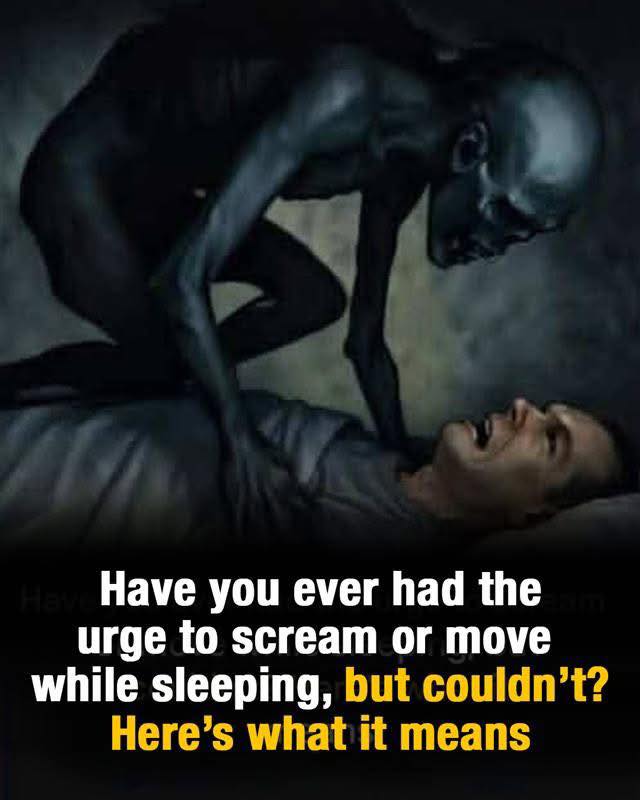
- A shadowy figure standing nearby
- A sense of pressure on the chest, as if something is sitting on you
- Footsteps, whispers, or other sounds in the room
- The feeling of being watched or threatened
These experiences can feel incredibly real because your brain is still partially dreaming. Essentially, you’re awake inside a nightmare.
Why Does It Happen?
Sleep paralysis is more common than many people think. Studies suggest that a significant percentage of people will experience it at least once in their lives. It’s often linked to:
- Irregular sleep schedules
- Stress or anxiety
- Sleep deprivation
- Sleeping on your back
- Certain mental health conditions
It can also occur during periods of major life change or emotional strain, when your sleep patterns are disrupted.
The Science Behind the Fear
From a neurological perspective, sleep paralysis is a mismatch between different systems in the brain. The part responsible for awareness wakes up, but the part controlling muscle movement remains suppressed. At the same time, the dream-generating regions can still be active, which is why hallucinations feel so immersive.
Your brain is essentially trying to make sense of being awake but immobile—and it often fills in the gaps with fear-based imagery.
Cultural Interpretations
- A demon sitting on the chest
- A ghostly visitor in the night
- Alien abductions
- Spiritual attacks
Before modern science, these explanations made sense. Even today, the experience can be so convincing that some people struggle to accept a purely biological explanation.
How to Break Out of It
If you ever find yourself in the middle of a sleep paralysis episode, there are a few techniques that may help:
- Focus on small movements, like wiggling your fingers or toes
- Try to control your breathing and stay calm
- Remind yourself that the experience is temporary
- Attempt to move your eyes or tongue, which may help “wake” the body
Episodes usually last only a few seconds to a couple of minutes, even if they feel much longer.
Can It Be Prevented?
While there’s no guaranteed way to eliminate sleep paralysis, you can reduce the likelihood by improving your sleep habits:
- Stick to a consistent sleep schedule
- Get enough rest each night
- Manage stress through relaxation techniques
- Avoid heavy meals or screens before bedtime
- Try sleeping on your side instead of your back
A Window Into the Mind
As frightening as it can be, sleep paralysis offers a fascinating glimpse into how the brain works. It shows just how delicate the boundary is between dreaming and waking—and how easily that boundary can blur.
For many, understanding the science behind it can make the experience less terrifying. Instead of something supernatural or threatening, it becomes what it really is: a temporary glitch in the complex system that governs sleep.
Still, in the moment, when you’re lying there unable to move, heart racing, convinced you’re not alone—it rarely feels like just a glitch.


0 comments:
Post a Comment