Many older adults wake up in the middle of the night gripped by sudden leg cramps that stop them in their tracks and make falling back asleep nearly impossible. These uncomfortable muscle twitches can leave you feeling drained the next day, interfering with your energy, mobility, and overall sense of well-being. The good news is that everyday foods packed with magnesium may help support your body’s natural muscle function in a gentle, delicious way. Keep reading because at the end I’ll share a simple daily routine that brings these five powerhouse foods together for easy, ongoing comfort.

Why Magnesium Matters for Muscle Comfort in Seniors
Magnesium plays a key role in helping muscles relax and contract smoothly, which is especially important as we age. Research from sources like WebMD and Healthline notes that many seniors fall short on this mineral because of changes in diet, absorption, or certain medications. While no single food is a miracle fix, adding magnesium-rich options can be a smart, tasty step toward supporting everyday leg comfort. Studies suggest that consistent intake of magnesium from whole foods contributes to better electrolyte balance alongside potassium and calcium — all team players for muscle health.
But that’s not all. These foods also deliver fiber, healthy fats, and hydration benefits that fit perfectly into a senior-friendly lifestyle. Let’s dive into the top five.
The Top 5 Magnesium-Rich Foods Seniors Can Enjoy Daily
Here they are, ranked by magnesium content per typical serving. Each one is easy to find, gentle on the stomach, and full of extra nutrients that support overall vitality.
1. Pumpkin Seeds — The Magnesium Champion
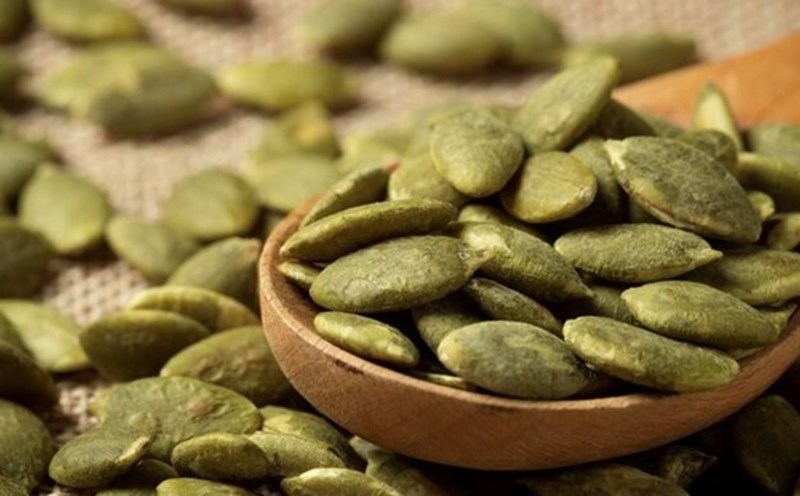
One ounce (about a small handful) of roasted pumpkin seeds delivers around 150 mg of magnesium — nearly 40% of what many seniors need each day. These tiny seeds are also loaded with zinc and antioxidants that help protect muscle tissue.
The best part? They’re incredibly versatile and require zero cooking. Sprinkle them over yogurt, toss into salads, or enjoy straight from a small bowl while watching TV. Seniors love them because they’re crunchy, satisfying, and won’t upset sensitive digestion when eaten in moderation.
2. Almonds — Crunchy, Portable Muscle Support
Just one ounce of almonds (roughly 23 nuts) provides about 80 mg of magnesium plus heart-healthy fats and vitamin E. Almonds have been highlighted in nutrition guides from Cleveland Clinic as an excellent everyday choice for older adults looking to maintain steady energy and muscle ease.
Try a small handful as an afternoon snack, stir them into oatmeal, or blend into a simple smoothie. Their natural creaminess makes them feel indulgent without any guilt. Many seniors report they’re easy to chew and gentle on the system compared to harder nuts.
3. Spinach — The Leafy Green Powerhouse

A half-cup of cooked spinach offers roughly 78–157 mg of magnesium depending on preparation, along with plenty of potassium and iron. Leafy greens like spinach appear again and again in resources from WebMD as a go-to for supporting muscle relaxation because they’re also hydrating and low in calories.
Add fresh spinach to smoothies, sauté it lightly with garlic as a side dish, or layer it into sandwiches. For seniors who prefer softer textures, cooked spinach blends seamlessly into soups or scrambled eggs — no strong taste to worry about.
4. Black Beans — Satisfying and Budget-Friendly
One cup of cooked black beans packs around 120 mg of magnesium plus fiber and plant-based protein that keeps you full longer. Legumes such as black beans are praised in Healthline articles for delivering magnesium in a form that’s easy for the body to use.
Stir them into chili, mash for a quick dip with veggies, or add to rice bowls. They’re affordable, store well, and can be prepared in big batches — perfect for seniors cooking for one or two.
5. Avocado — Creamy Comfort in Every Bite
A medium avocado contains about 58 mg of magnesium together with potassium and healthy monounsaturated fats. Avocados show up frequently in muscle-comfort roundups because they also help with hydration and satiety.
Spread half an avocado on toast, dice it into salads, or blend into a creamy smoothie. Its soft texture makes it especially senior-friendly, and the mild flavor pairs beautifully with almost anything.
Quick Comparison Table: Magnesium at a Glance
| Food | Magnesium per Serving | Extra Benefits for Seniors | Easy Prep Ideas |
|---|---|---|---|
| Pumpkin Seeds | ~150 mg (1 oz) | Zinc for immune support | Sprinkle on yogurt or salad |
| Black Beans | ~120 mg (1 cup cooked) | Fiber for digestion | Add to soups or rice |
| Almonds | ~80 mg (1 oz) | Vitamin E for skin & muscle protection | Handful as snack or in oatmeal |
| Spinach | ~78–157 mg (½ cup cooked) | Potassium & hydration | Sautéed side or smoothie |
| Avocado | ~58 mg (1 medium) | Healthy fats for sustained energy | On toast or in salads |
Simple Ways to Bring These Foods Into Your Routine
Here’s where it gets practical. You don’t need fancy recipes or hours in the kitchen. Start small and build from there.
- Morning boost: Blend spinach and avocado into a quick smoothie with a banana for natural sweetness.
- Midday snack: Pair almonds with a few pumpkin seeds — portable and satisfying.
- Evening wind-down: Enjoy black beans in a light soup or salad so your body gets magnesium when muscles tend to tighten.
But wait — there’s an even easier approach. Many seniors discover that rotating these five foods throughout the week prevents boredom while keeping magnesium levels steady.
Additional Tips for Supporting Leg Comfort
Beyond diet, staying hydrated matters just as much. Aim for plenty of water throughout the day and consider gentle stretching before bed. Light evening walks or simple calf raises can also encourage healthy circulation. Research consistently shows that combining nutrient-rich foods with these small habits creates the best environment for muscle ease.
Putting It All Together: A Gentle Daily Approach
Imagine starting your day with a spinach-avocado smoothie, grabbing almonds as an afternoon pick-me-up, and ending with a simple black-bean side at dinner. Add pumpkin seeds whenever you want a crunchy boost. This pattern feels natural rather than restrictive — exactly what most seniors prefer.
You’ll notice the foods taste great, fit easily into existing meals, and give you peace of mind knowing you’re nourishing your muscles with real, whole ingredients.
Wrapping Up: Small Changes, Real Comfort
Incorporating these five magnesium-rich foods doesn’t have to be complicated. With just a few thoughtful swaps, you can support your body’s natural ability to keep muscles comfortable day and night. The key is consistency and enjoyment — choose the options you genuinely like and make them part of your regular routine.
Frequently Asked Questions
How much magnesium do seniors typically need each day?
Most adults over 50 benefit from 320–420 mg daily, depending on gender and health status. Whole foods make it easy to reach this range without supplements.
Can diet alone make a difference in leg comfort?
Many people notice improvements in overall muscle ease when they consistently include magnesium-rich foods along with good hydration and light movement. Results vary from person to person, so listen to your body.
Are there any concerns about eating too many of these foods?
These are natural, whole-food sources, so side effects are rare when enjoyed in normal portions. If you have kidney issues or take medications, check with your doctor first — a quick conversation ensures everything fits your personal situation.
Important Disclaimer
This article is for informational purposes only and is not intended as medical advice. Always consult your healthcare provider before making significant changes to your diet, especially if you have existing health conditions or take medications. Individual results may vary.


0 comments:
Post a Comment