If Your Feet Swell It Is a Clear Sign
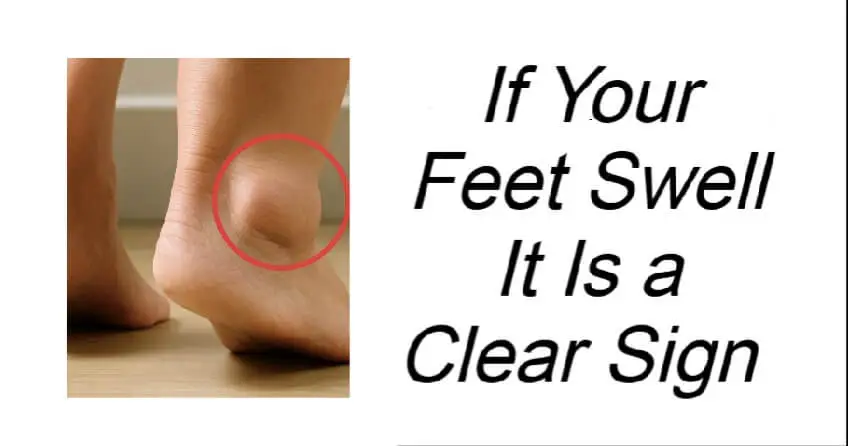
Whether you’ve spent the entire day on your feet, are feeling the effects of hot weather, or enjoyed a salty snack a little too much, swollen feet are a surprisingly common—yet uncomfortable—issue. The silver lining? In most cases, foot swelling is temporary and can be easily managed at home using simple, natural methods.
Let’s explore why our feet swell and what you can do about it—no fancy equipment or medications required.
Why Do Our Feet Swell?
Swelling in the feet, medically known as edema, occurs when fluid builds up in the tissues. It’s especially common in the lower limbs due to gravity pulling fluids downward.
Here are some everyday causes:
Heat – High temperatures cause blood vessels to expand (vasodilation), making it easier for fluid to leak into surrounding tissues.
Poor circulation – When blood doesn’t flow efficiently, fluid can pool in the feet and ankles.
High salt intake – Salty or processed foods lead to water retention, which often shows up in your feet.
Pregnancy – Hormonal changes and increased pressure on veins can contribute to swelling.
Medications – Certain drugs (like blood pressure medications, NSAIDs, or steroids) can cause fluid retention.
Dehydration or inactivity – Long periods of sitting or standing can lead to fluid buildup in the lower body.
In most cases, swelling is harmless. However, persistent, painful, or one-sided swelling may signal an underlying issue—such as heart, kidney, or lymphatic problems—and should be evaluated by a healthcare provider.
Natural and Simple Remedies to Reduce Swelling
1. Cold Therapy for Instant Relief
Place a cold compress or a towel-wrapped ice pack on swollen areas for 15–20 minutes. The cold reduces inflammation, constricts blood vessels, and offers immediate soothing relief. This is especially helpful after a long day on your feet or during hot summer months.
Extra tip: Keep a few reusable gel packs in your freezer for easy access anytime swelling flares up.
2. Elevate Your Legs
Raise your legs above heart level by lying down and propping them on a few pillows or resting them against a wall. Elevating your legs helps gravity work in your favor, encouraging fluid to flow back toward the heart and reducing pressure in your lower limbs.
Try this: Aim for 20–30 minutes, especially in the evening. Doing this daily can have long-term benefits.
3. Soothing Foot Soak
Soaking your feet in warm water helps relieve muscle tension, reduce stiffness, and stimulate blood flow. For added benefits, dissolve Epsom salts into the water. Magnesium in the salt helps draw out excess fluid and ease inflammation.
Optional upgrade: Add a few drops of lavender, eucalyptus, or rosemary essential oil for a spa-like, calming experience.
4. Hot–Cold Contrast Soak
This technique improves microcirculation and helps flush out built-up fluid:
Soak your feet in warm water for 3–5 minutes
Then switch to cold water for 30–60 seconds
Repeat the cycle for 15–20 minutes
Why it works: The alternating temperatures stimulate blood vessel contraction and dilation, moving stagnant fluid out of the tissues.
5. Boost Your Nutrient Intake
Certain deficiencies—particularly magnesium, vitamin E, and omega-3 fatty acids—can contribute to fluid retention.
Support your body with:
Leafy greens (like spinach or kale)
Avocados
Almonds and pumpkin seeds
Fatty fish like salmon
Whole grains
If dietary changes aren’t enough, you might consider supplements—but always consult your healthcare provider before starting any new supplement regimen.
6. Essential Oil Massage
Massaging your feet helps stimulate lymphatic flow and encourages circulation. Use a base oil like coconut, almond, or jojoba oil, and add a few drops of:
Peppermint oil – Cooling and invigorating
Cypress oil – Supports circulation and reduces water retention
Lavender oil – Relaxing and anti-inflammatory
Massage in upward, circular motions from toes to calves. Even 10 minutes can make a noticeable difference.
Lifestyle Tweaks That Make a Big Difference
Watch Your Diet
Reduce or avoid:
Salt and sodium-rich foods
Processed snacks and fast food
Alcohol and caffeine, which dehydrate the body
Replace with:
Hydrating fruits and veggies like cucumber, celery, watermelon, and citrus
Potassium-rich foods like bananas, sweet potatoes, white beans, and spinach
Potassium helps balance sodium levels and regulates fluid retention.
Stay Hydrated
Ironically, not drinking enough water can cause your body to hold onto fluid, making swelling worse. Aim for 8–10 cups of water per day, more if you're active or in a hot climate.
Sip Herbal Teas
Certain herbs have natural diuretic effects that help reduce swelling. Try teas made from:
Dandelion root
Parsley
Corn silk
Cherry stems
These teas support kidney function and gently encourage the body to release retained fluid.
Wear the Right Footwear
Tight shoes, high heels, or non-breathable materials can worsen swelling. Instead, look for:
Supportive insoles
Breathable mesh or natural fabrics
A slightly larger shoe size if you’re prone to swelling
Adjustable straps or laces for better comfort
When to See a Doctor
Although swelling is usually benign, seek medical attention if:
It lasts more than a few days without improvement
It’s painful, red, warm, or accompanied by fever
It affects only one foot or leg
You experience shortness of breath or chest pain
These could be signs of serious conditions like deep vein thrombosis (DVT), heart failure, or kidney disease—and require urgent care.
Final Thoughts
Swollen feet may be annoying, but they’re often your body’s way of asking for a break or a little extra care. With a few smart lifestyle changes and easy, natural home remedies, you can reduce swelling, improve circulation, and prevent future discomfort.
So why not start tonight? Kick back, elevate those feet, or treat yourself to a relaxing soak. Your feet carry you all day—show them a little love in return.


0 comments:
Post a Comment