Top Ad 728x90

Friday, May 1, 2026

See more 👇

by


I Discovered the Real Reason My Son Was Struggling After Moving in With His Dad!


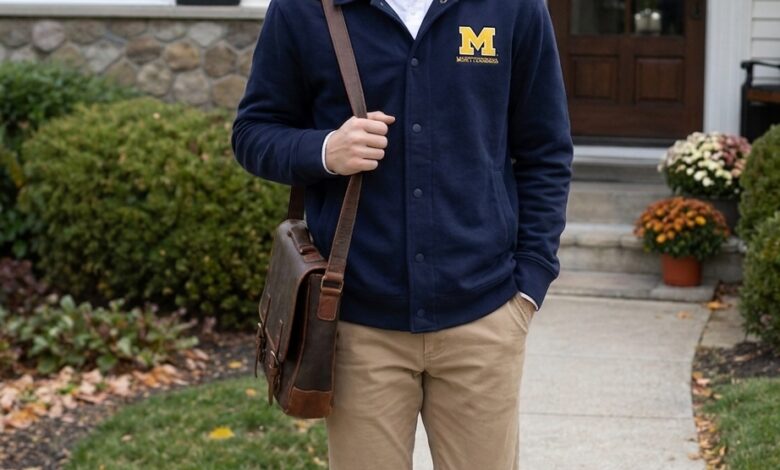
When Mason told me he wanted to live with his father after the divorce, I nodded and told him I understood. I even meant it. Divorce rearranges loyalties and emotions in ways adults barely comprehend, let alone children. At thirteen, Mason was old enough to form opinions and make decisions, but still young enough to believe that choosing sides was a moral duty, a way to fix something that had broken. I told myself that respecting his choice was an act of love, that giving him space would help repair the fractures in his life and in mine. I repeated this mantra often, convincing myself that restraint was the most generous gift I could offer.

The first few weeks seemed to confirm that belief. He sent pictures of late-night pancakes made with mismatched ingredients, goofy selfies with his dad, snapshots of a room he was slowly turning into a space he could call his own. There were small captions: “Check out my new setup!” or “Look at my pancakes—sort of edible!” They were light, almost cheerful. I reread them obsessively, each message a lifeline. I told myself that the tight knot in my chest was just a reflection of missing him, not evidence of any deeper problem. I clung to that idea, wrapping it around me like armor, trying to convince myself that his happiness mattered more than my fear.

Then, almost imperceptibly at first, something began to shift.

The texts grew sparse. Full sentences turned into clipped replies. “Good.” “Fine.” “Busy.” Eventually, even those ended. Days passed without a single word, the ominous “read” receipts staring back at me like a door slammed shut. I tried to remain calm. Teenagers pull away, I told myself. Independence often looks like distance before it manifests as confidence. But the pit in my stomach deepened with each passing day, and the rationalizations began to crack.

Then the emails started coming from the school.

At first, they were gentle, almost tentative. Missed homework. Slightly lower participation in class. Teachers asking politely if everything was okay at home. But the tone shifted. Guidance counselors began reporting mood changes, prolonged isolation, a boy who used to raise his hand now staring at his desk as if the answers to life itself were etched somewhere invisible. Notes about withdrawn behavior, unexplained irritability, subtle changes in sleep patterns and appetite.

This wasn’t rebellion. This wasn’t teenage moodiness.

This was retreat.

I realized that my careful, measured messages—“Thinking about you,” “How are you really doing?” “Want to grab dinner sometime?”—were met with guarded, rehearsed words. Replies that sounded like scripts he had practiced in his mind. Replies meant to reassure, to protect the adults in his life, to maintain the illusion that everything was fine. And perhaps, in a way, they were: fine for me. But not fine for him.

One rainy afternoon, after yet another unanswered message and a concerned call from the school, I stopped debating. I stopped rationalizing. I stopped waiting for him to reach out. I got in the car and drove to his school. I didn’t call ahead. I didn’t prepare a speech or plan the perfect words. I simply showed up at the final bell, when the halls were flooding with teenagers leaving classrooms.

When Mason saw me standing there, he slowed, but not out of surprise—more like resignation. He slid into the passenger seat, closing the door softly as if handling something fragile. There was no immediate relief, no flood of words. Just the quiet acknowledgement that this was a space where he could finally exhale.

We sat in silence for several long minutes, the rain tapping a soft, relentless rhythm against the windshield. Then he exhaled—not a sigh, not a casual breath, but a release. The kind that carries months of unseen weight, a weight he had been shouldering alone.

Through hesitant words, he told me what had been happening. His father was struggling more than he had admitted. The job was unstable. Bills were piling up. Sometimes the lights flickered because payments were late. The fridge was half-empty; cabinets were filled with scraps and excuses instead of food. His dad tried to laugh it off, to make it feel like life was under control, but Mason saw every fracture, every detail.

So he adjusted. Quietly.

He stopped asking for things. He rationed meals. He stayed up worrying and pretended to be asleep. He became a little adult in a situation that demanded far too much for someone of his age. He carried a burden that should have been shouldered by those responsible, telling himself that if he held it together, everything else might too.

“I didn’t want to cause trouble,” he said, staring at his hands. “I didn’t want you to worry. Or Dad to feel worse.”

The words shattered me.

In that instant, I realized that my child had been protecting the adults in his life. His silence, which I had first interpreted as independence, was survival. His restraint, which I had called maturity, was self-erasure. He was performing courage that was never meant to be demanded of him.

I didn’t argue. I didn’t criticize his father. I didn’t explain or lecture. I simply said, “Grab your backpack.”

That evening, Mason came home.

Nothing dramatic occurred. No speeches, no long apologies, no theatrical displays of affection. Just a hot meal, a warm blanket, clean sheets, and the quiet reassurance of a home where he didn’t have to manage anyone else’s feelings. He fell asleep on the couch before finishing dinner, his exhaustion finally allowed to surface. I stayed nearby, listening to his breathing even out, marveling at the simple miracle of safety.

The next weeks were devoted to rebuilding, not fixing. We established routines that didn’t demand perfection. Dinner at the table together, homework broken into manageable pieces, notes tucked into his backpack—small reminders that he was not alone, that he could rely on someone to show up. Therapy became part of our rhythm, not as a punitive measure, but as a support to untangle guilt that never should have belonged to him.

Bit by bit, Mason returned.

He joined the robotics club again. Music drifted from his room, louder and more consistent each week. Laughter returned—not polite, not forced, but genuine and unexpected. He teased me about coffee habits, debated me at dinner, asked for help when needed instead of pretending he didn’t. Each day, he reclaimed a little more of the freedom that had been lost.

By the end of the school year, his counselor called me into the office. Mason had been voted “Most Resilient Student.” When they handed him the certificate, he smiled quietly, small but solid, proud not for recognition, but for the endurance that had carried him through months of silent struggle.

Our home regained its vibrancy. Shoes strewn near the door. Half-finished projects abandoned and picked up again. Music behind closed doors. The gentle chaos of a teenager who no longer felt the need to disappear to preserve peace.

Through it all, I learned something essential. Love isn’t only about letting go. Sometimes, it’s about knowing when not to. Sometimes, giving space isn’t what a child needs. Silence isn’t always independence—it can be a signal of hidden struggle. And when that silence grows heavy, love requires showing up. Not loudly, not dramatically. Consistently. Patiently. Until safety replaces fear.

Every day since, I am grateful that I heard the quiet before it became unbearable. I am grateful that I understood when silence spoke louder than words ever could. I am grateful that Mason returned—not just to me, but to himself.

Because love, at its most vital, is presence.


Sad news about King Charles and Prince Archie confirms that the rumors were true. 😔😔

by


King Charles III Health Updates and Royal Planning Explained


Recent updates regarding King Charles III have drawn public attention, as the monarch continues medical treatment while maintaining selected royal responsibilities.


Ongoing Medical Treatment and Public Duties

Buckingham Palace has previously confirmed that King Charles III is undergoing treatment for a health condition. While he has adjusted parts of his schedule, he continues to carry out certain official duties.

During this period, Prince William has taken on additional engagements, reflecting the royal family’s approach to continuity and support.


Understanding “Operation Menai Bridge”

Media reports have referenced “Operation Menai Bridge,” a term used to describe the formal procedures associated with a future state funeral for the monarch.

Such plans are standard practice within the British monarchy and are prepared well in advance to ensure organization, security, and respect for tradition. These arrangements exist regardless of current health conditions.


Public Interest and Media Coverage

Health updates involving prominent figures often generate widespread attention. Experts note that it is important to distinguish between official statements and unverified reports, especially when information is still developing.


A Focus on Stability and Continuity

The royal household continues to emphasize stability, with responsibilities shared among senior members. These measures are designed to ensure that official duties and public engagements continue smoothly.


Conclusion

While public interest remains high, official updates indicate a measured and structured approach to both health matters and long-term planning. For accurate information, readers are encouraged to follow statements from Buckingham Palace and trusted sources.

leaves son de..

by


HT7 URGENT – Serious Accident Creates Great Confusion! See More

A serious accident is causing major confusion.” Few could have guessed that those words would soon come to represent one of the country’s most painful moments. What initially sounded like a traffic inconvenience would, within hours, become a symbol of national grief, exposing the fragile boundary between digital abstraction and real human loss.

As daylight faded, the reality behind the message came sharply into focus. Along a major highway, a long-distance passenger bus—often the most accessible form of travel for working families—had slammed into a fuel tanker. The collision triggered a devastating chain reaction, drawing several other vehicles into the wreckage. Flames and thick smoke rose into the air, blinding nearby motorists and slowing emergency response efforts. Twisted metal, shattered glass, and burning fuel transformed the roadway into a scene of overwhelming destruction, one that resisted quick rescue or comprehension.

In the immediate aftermath, uncertainty filled the air as heavily as the smoke. Time seemed to stretch unnaturally for those nearby. Survivors and witnesses described a thunderous impact followed by an eerie stillness that felt almost unreal. Emergency lines were overwhelmed with fragmented, panicked calls—each offering a partial glimpse of a scene too terrible to fully describe. Because the crash involved a fuel tanker, authorities were forced to secure the area against potential explosions or toxic leaks before rescue crews could fully engage. Though essential for safety, this delay felt unbearable to families waiting for answers.

By morning, the nation awoke under a shared weight of sorrow. If the previous day had been chaotic, the following hours were defined by a single image that spread rapidly across news outlets and social media—not of wreckage, but of loss. An elderly couple stood near the police barricades, holding onto each other as if balance itself depended on it. Their faces, marked by a lifetime together, now carried raw and unmistakable grief. They were not public figures, just two people waiting for news, silently representing countless families trapped between hope and heartbreak.

This period of waiting—the absence of certainty—is one of the cruelest aspects of tragedy. While physical injuries are treated and counted, the emotional damage of not knowing spreads quietly. At hospitals and bus terminals, people sat shoulder to shoulder, scrolling endlessly through their phones, searching for updates that never seemed to come fast enough. Every ringing phone sent a ripple of tension through the room, followed by disappointment when it brought no answers. This suspended state, where a loved one should have arrived but didn’t, is a uniquely modern agony.

When officials finally released confirmed details, the scale of the loss became undeniable. Several people had lost their lives instantly, while dozens more were hospitalized, many in critical condition. Inside overcrowded emergency rooms, doctors and nurses worked without pause, moving from one trauma case to the next with quiet determination. Their composure and endurance stood in stark contrast to the chaos outside, where a different kind of confusion was unfolding—one driven not by urgency, but by indifference.

That contrast revealed an uncomfortable reality of the digital era. While many were consumed by grief, the internet continued its relentless churn. News of the fatal crash appeared side by side with viral videos, celebrity gossip, and trivial updates. The image of mourning families existed in the same feed as fashion trends and entertainment headlines. This collision of tragedy and distraction forced an uneasy question: how quickly does real suffering become just another item to scroll past? In a world where attention is fleeting, how do we protect our capacity for empathy?

The crash also sparked long-overdue discussions about accountability. As mourning slowly gave way to reflection, public conversation turned toward infrastructure, transportation oversight, and highway safety standards. Many questioned whether this disaster was truly unavoidable or the result of neglected regulations and systemic failure. Each life lost became a reminder that safety measures are not mere formalities—they are safeguards that separate routine travel from irreversible catastrophe.

Amid the intense coverage, another image quietly captured public attention. It showed a young boy in a crowded city street struggling to carry a heavy crate of vegetables to help his family. Though unrelated to the crash, the image resonated deeply. Like the elderly couple at the crash site, the boy represented the quiet endurance of ordinary people. Together, these images underscored a single truth: behind every statistic lies a human story shaped by effort, vulnerability, and love.

As the weekend drew to a close, the smoke had dissipated, but the sorrow lingered. Along the highway, makeshift memorials began to appear—flowers wedged into railings, candles flickering in the wind, handwritten notes from strangers. These small acts were gestures of resistance against forgetfulness, affirmations that the victims were more than names on a report or numbers in a headline.

Ultimately, this Friday afternoon became a lesson in memory. It challenged a society accustomed to moving on too quickly. The familiar phrase “no one lives forever” took on a deeper meaning—not as an excuse for indifference, but as a reminder of responsibility. Because life is finite, the care we show one another matters profoundly. The confusion of that day must give way to clarity: a demand for safer roads, accountable leadership, and a culture that values human life over digital distraction.

As the country continues forward, it carries the weight of interrupted journeys and unfinished lives. Mexico has long been defined by resilience, having endured and rebuilt through countless hardships. Yet resilience should never become complacency. The images of waiting faces and silent wreckage must remain etched in the collective memory, reminding us that compassion must extend beyond the news cycle. Only when the pain of strangers feels personal can tragedy lead to meaningful change. Until then, the nation remembers, mourns, and hopes for a future where “urgent” alerts bring relief instead of loss.


After leaving store she ended up being est... See more

by


Investigation Ongoing After Woman Found Deceased Following Trip to Local Store


Authorities have launched an investigation after a young woman was found deceased shortly after leaving a local store, according to preliminary reports.


Timeline of Events

Family members reported that the woman had gone out during the early afternoon for a routine errand. When she did not return home as expected, relatives became concerned and contacted local authorities.

A search effort was initiated, and she was later located in an area not far from the store.


Police Investigation Underway

Officials have confirmed that an active investigation is ongoing to determine the circumstances surrounding the incident. At this stage, authorities have not released additional details and are urging the public to avoid speculation.

Further updates are expected as investigators gather evidence and review the timeline.


Community Response

The news has had a strong impact on the local community. Friends and neighbors have shared messages of support for the family, remembering the woman for her kindness and positive presence.

Plans for small gatherings and memorials are being discussed as a way to honor her memory and offer support to those affected.


Importance of Verified Information

Authorities emphasize the importance of relying on official updates during ongoing investigations. Sharing unverified claims or speculation can interfere with the process and add unnecessary distress to those involved.


Conclusion

As the investigation continues, the focus remains on understanding what happened and supporting the family during a difficult time. Officials have indicated that more information will be provided when it becomes available.

Maximum worldwide alert. The war begins... See more

by


Major Fire in Lima Damages Hundreds of Homes, Authorities Assess Impact


A large fire swept through a densely populated hillside neighborhood in Lima, causing significant damage and displacing hundreds of families, according to local authorities.

The incident occurred in the Pamplona Alta sector of San Juan de Miraflores, an area known for closely built housing structures. Officials estimate that approximately 300 homes were affected, though assessments are still ongoing.


Rapid Spread Complicated Emergency Response

Firefighters reported that the blaze spread quickly due to strong winds and the presence of highly flammable construction materials commonly used in the area. Narrow streets and steep terrain also made it difficult for emergency vehicles to reach the most affected zones.

Multiple units from the Peruvian Fire Department responded, working for several hours to bring the situation under control.


Possible Causes Under Investigation

Authorities are investigating the cause of the fire. Early reports suggest it may be linked to a suspected informal pyrotechnics workshop within the neighborhood, though officials have not confirmed a final cause.

Witnesses described hearing loud popping sounds consistent with fireworks, which may have contributed to the intensity of the flames.


Community Impact and Emergency Support

The fire left many families without shelter, prompting local authorities to coordinate emergency assistance. Temporary accommodations are being arranged in schools and community centers, while aid organizations distribute essential supplies such as food, water, and blankets.

Local officials emphasized that priority is being given to vulnerable residents, including children and elderly individuals.


No Fatalities Reported

Despite the scale of the incident, authorities confirmed that no fatalities have been reported. Several individuals were treated for minor injuries and smoke inhalation, and emergency crews continue to monitor the area for potential flare-ups.


Ongoing Recovery and Safety Concerns

This event has renewed attention on fire safety risks in rapidly growing urban areas. Experts note that informal construction, limited infrastructure, and overcrowding can increase the likelihood and impact of such incidents.

Efforts are now focused on damage assessment, restoring essential services, and supporting affected families as recovery begins.


Conclusion

The fire in San Juan de Miraflores highlights the challenges faced by vulnerable communities and the importance of emergency preparedness. Authorities continue to investigate the cause while coordinating relief efforts for those impacted.

Sandra Bullock’s Micro Bikini Photos That Will Make You Drool🍛, See her photos in the comment🎬💬👇

by

Sandra Bullock Shares Relaxed Vacation Moments, Fans React to Her Timeless Style


Sandra Bullock has once again captured public attention—this time not for a film role, but for candid vacation moments that highlight her relaxed and confident approach to life.

The Academy Award-winning actress, known for her versatility and long-standing career in Hollywood, was recently seen enjoying time off in a casual beach setting. The images quickly gained traction online, with fans praising her natural style and positive presence.


A Career Defined by Versatility

Over the years, Sandra Bullock has built a reputation as one of the most respected figures in the entertainment industry. Her performances in films such as The Blind Side and Gravity have earned critical acclaim and a global fan base.

Beyond her acting achievements, she has also been recognized for her grounded personality and ability to stay connected with audiences.


Public Reaction to Recent Photos

The recent images sparked widespread discussion across social media platforms, where many users commented on her confidence and timeless appeal. Fans highlighted how she continues to inspire across generations, emphasizing authenticity and self-assurance.

Rather than focusing solely on appearance, much of the conversation centered on her overall presence and the way she carries herself in both public and private moments.


Confidence and Longevity in the Spotlight

Maintaining a long and successful career in Hollywood often requires adaptability, resilience, and a strong sense of self. Sandra Bullock has consistently demonstrated these qualities, balancing major film roles with a relatively private personal life.

Her continued popularity reflects not just her talent, but also her ability to evolve while remaining authentic.


Conclusion

Moments like these highlight why Sandra Bullock remains a widely admired public figure. Whether through her work on screen or glimpses into her personal life, she continues to resonate with audiences around the world.

The one detail everyone missed 😱😳 Check comments 👇

by


How Small Details in Viral Videos Can Change Public Perception


In today’s fast-moving digital world, viral videos can capture global attention within minutes. What often begins as a shocking or emotional moment quickly spreads across platforms, prompting immediate reactions from millions of viewers.

However, as initial reactions settle, closer analysis sometimes reveals details that were not obvious at first glance.


The Role of Observation in Viral Content

When people revisit widely shared footage, they often notice subtle elements that were overlooked during the first viewing. These can include background movements, timing of reactions, or environmental factors that provide additional context.

In many cases, these details don’t necessarily change the facts—but they can influence how the event is interpreted.


Why Viewers See Different Things

Experts in media and psychology explain that the human brain naturally looks for patterns, especially in high-stress or unclear situations. This means viewers may interpret the same moment in very different ways.

Some may see coincidence, while others may believe there is deeper meaning behind what they observe.


The Impact of Social Media Analysis

Platforms like TikTok and X allow users to slow down footage, zoom in, and share interpretations instantly. This can amplify discussions around specific moments, even when the full context is not yet available.

As a result, a single frame or brief interaction can become the focus of widespread debate.


Separating Facts From Interpretation

It’s important to distinguish between verified information and personal interpretation. While detailed analysis can be useful, not every unusual moment indicates something intentional or significant.

Reliable conclusions typically come from official reports, multiple verified sources, and complete context—not just short clips or screenshots.


Why These Moments Matter

Even when no definitive conclusion is reached, these discussions highlight how powerful perception can be. A small detail—real or misunderstood—can shift how people view an entire event.


Conclusion

Viral moments often evolve beyond the original footage, shaped by interpretation, discussion, and repeated viewing. While paying attention to details can be valuable, maintaining a balanced and evidence-based perspective is essential.

In the end, what matters most is not just what we see—but how carefully we choose to understand it.

read more in comment

by


They Laughed When I Inherited a Worn-Out Shawl—Until They Discovered What It Was Really Worth


The day my mom’s will was read, I sat frozen, listening as her entire life was reduced to cold, careful words—the house, the car, the savings… all given to them. And me? I was handed a single, worn shawl. Not beautiful, not valuable—just old fabric, frayed at the edges.

Lila didn’t even try to hide her laughter, calling it a rag, saying it proved how little my own mother thought of me. I didn’t argue. Because deep down, I didn’t understand it either.

That night, I laid the shawl across my bed and held it close, breathing in the faint scent of lavender and something softer—something that felt like her. And as I sat there, memories started creeping back. My grandmother… my father’s cold, distant mother.

The woman no one could please. The woman everyone walked away from—except my mom. Slowly, the truth surfaced: while others left, she stayed… quietly sacrificing years of her life, never asking for recognition, never telling anyone what she endured.

A month later, my phone rang—and everything changed. Lila’s voice was shaking as she begged to buy the shawl from me, offering any amount of money. Confused, I listened as she revealed the truth the lawyer had accidentally told her.

My grandmother hadn’t just been wealthy—she had been hiding a fortune. And before she died, she gave my mom that same shawl, calling it “precious.” What no one knew was the real condition: whoever held the shawl would inherit everything. No announcements. No second chances. Just one quiet decision.

And my mom… she had already made hers.

By giving me that shawl, she had passed it all on—to me. The inheritance wasn’t something that could be bought or taken back. It had already been legally transferred, long before anyone realized what it meant.

Lila begged, offering more money, more desperation with every word—but she still didn’t understand. she thought the value was in the object, not in what it represented.

I looked down at the shawl resting on my shoulders and finally understood everything my mom had left me. Not just wealth—but meaning. that real value doesn’t shout… it waits quietly for those who understand it.

The people who mocked it saw nothing. But my mother did. And in the end, that old, forgotten shawl wasn’t just fabric—it was her final, silent victory.

Top Ad 728x90