Top Ad 728x90

Sunday, May 3, 2026

I had no clue Details 👇..

by


The lines on your bath towels aren’t just decorative—they indicate weave, absorbency, and durability. Understanding these patterns helps you choose higher-quality towels, care for them properly, and ensure they stay soft, long-lasting, and effective for daily use.


When you pick up a bath towel and look closely at its edges, you may notice a series of woven lines, ridges, or subtle patterns that run horizontally across the fabric. These details, often overlooked, might seem purely decorative at first glance, blending almost invisibly into the overall design of the towel. Yet, for those who pay attention, these lines carry a wealth of information about how the towel was made, how it performs, and how long it might last. Towels are not simple, uniform textiles; each component—from the plush terry loops in the center to the flat, patterned edges—represents deliberate design decisions made by manufacturers. Every ridge and weave communicates something about the towel’s durability, absorbency, and even tactile experience. For conscientious shoppers, noticing these details can transform the act of buying a towel from a simple transaction into an informed choice. These patterns are particularly important in certain settings, such as hotels, gyms, and spas, where towels must meet rigorous standards of durability and appearance. In homes, they can signal quality, inform washing practices, and even affect how towels feel during everyday use. Essentially, the lines on your bath towels embody the intersection of engineering, textile craftsmanship, and design, even though most people assume they exist purely for decoration. Recognizing their significance is the first step toward understanding the true complexity behind a seemingly mundane household item.

These lines are technically referred to as dobby borders, named after the dobby loom that creates them by controlling individual warp threads during weaving. While the central body of a towel is made from terry loops—small, uncut loops of yarn designed to maximize absorbency—the dobby border is woven flat, without loops, forming a denser, more stable edge. This construction has practical consequences: it reinforces the towel’s edges and prevents stretching, curling, or fraying over time. Terry cloth, by its nature, is soft, plush, and looped, making it prone to snagging or uneven wear, especially near the edges where the towel experiences the most friction. The dobby border counteracts these tendencies, distributing tension evenly and maintaining the towel’s overall shape, even after repeated washing and heavy use. The border also provides a clean, polished finish, giving the towel a more professional and carefully crafted appearance. High-quality towels often incorporate wider, more intricately woven dobby borders, while simpler, mass-produced towels may include narrow, plain edges. By observing the border, buyers can assess not only the towel’s immediate appearance but also its long-term durability. In many ways, the dobby border is a silent testament to the towel’s engineering, a subtle yet crucial feature that distinguishes well-made textiles from those designed for quick consumption and replacement.

Beyond structural integrity, dobby borders serve practical purposes in everyday use. The visual and textural difference between the flat border and the plush terry loops creates natural guides for folding and alignment. A towel with clearly defined lines is easier to fold neatly, producing uniform stacks in linen closets or on shelves. This feature is especially valuable in hospitality settings, where housekeeping staff rely on dobby borders to align towels perfectly for aesthetic consistency. Even in domestic environments, these lines aid organization, particularly in households with multiple towel sets of similar color or size. Parents might assign specific towels to children, couples may designate certain towels for guests, and roommates or shared living spaces can use borders to differentiate ownership. The border, therefore, is more than a decorative flourish; it is a practical tool for maintaining order and cleanliness. In addition, some towels incorporate intricate patterns that can serve a subtle functional purpose, such as indicating the correct orientation for hanging to dry or for recognizing the top edge when folding. The lines subtly guide interaction with the towel, enhancing convenience and usability in ways many people never consciously notice. They are a small but meaningful example of how thoughtful design integrates function into everyday objects.

The presence and complexity of dobby borders often correspond to a towel’s quality and price range. Luxury towels, particularly those made from long-staple cotton such as Egyptian or Turkish varieties, tend to feature elaborate borders with geometric patterns, textured motifs, or discreetly woven logos. These details require precise weaving techniques and additional time, reflecting the manufacturer’s commitment to craftsmanship. Such intricacy is not merely ornamental—it signals attention to durability, softness, and overall quality. Budget-friendly towels, by contrast, may include simple or minimal borders, focusing on cost-effective production rather than longevity or tactile appeal. The quality of the dobby border can serve as a visual shorthand for the towel’s performance: well-executed borders maintain shape, resist puckering, and endure frequent washing, while poorly woven borders may warp, fray, or shrink. For shoppers, examining these details can prevent frustration and disappointment, offering guidance in selecting towels that will remain attractive and functional over time. In addition, dobby borders can subtly reflect brand values and design philosophy, reinforcing the perception of quality and the tactile experience of the towel. In essence, these woven lines are an indicator of a manufacturer’s intent to produce a durable, aesthetically pleasing, and functional product.

Dobby borders also impact the towel’s texture and performance. Because the border is woven tightly, it has a firmer, smoother feel than the fluffy terry loops, creating a pleasing contrast in hand. This combination enhances the tactile experience, giving the user both softness and structure. Furthermore, the flat border dries more quickly than the looped sections, which can help reduce moisture retention along edges and prevent mildew growth. In humid climates or poorly ventilated bathrooms, this can be a significant advantage. Meanwhile, the terry loops continue to provide the absorbency necessary for drying off effectively. For people sensitive to texture or concerned about hygiene, these subtle design choices matter: the towel remains soft and luxurious where it counts, while its edges are protected and more hygienic. The performance benefits of dobby borders extend to laundering as well. Towels with well-constructed borders retain their shape after multiple washes, are less likely to develop uneven loops or curling edges, and maintain both functional and aesthetic integrity over years of daily use. These small design features demonstrate how textile engineering enhances not only appearance but also comfort and practicality.

Understanding the significance of these lines also fosters appreciation for the complexity of towel manufacturing. Towels may seem simple, but the combination of terry loops, dobby borders, yarn quality, thread density, and finishing techniques involves careful planning and expertise. Every design choice—from the width of the border to the height of the loops, from the type of cotton to the dyeing method—affects durability, softness, absorbency, and appearance. Recognizing what the dobby border signifies can inform smarter purchasing decisions, helping consumers choose towels suited to their needs, whether that means luxurious bath sheets for everyday indulgence or commercial-grade towels for high-traffic environments. It can also guide care practices: towels with reinforced borders may tolerate machine washing and tumble drying better than those without, and understanding this can prolong the towel’s lifespan. The more consumers understand about these details, the more value they extract from a seemingly ordinary product, turning towel selection into a conscious, informed act rather than a purely aesthetic one. These lines are, in a sense, a language of textiles—a way for the manufacturer to communicate function, quality, and longevity to those willing to pay attention.

In conclusion, the lines, ridges, and patterns along your bath towels’ edges represent far more than decorative flair. They are carefully engineered dobby borders that reinforce structure, guide folding, communicate quality, enhance tactile experience, and support hygiene. By understanding the purpose behind these lines, shoppers can make informed decisions about durability, usability, and aesthetic appeal, whether for home use, gifting, or commercial applications. Each border tells a story about the towel’s construction, the materials used, and the care invested by the manufacturer. What appears at first glance to be a simple flourish is, in reality, a testament to thoughtful design, functional beauty, and the intersection of engineering and artistry in textile production. The next time you handle a bath towel, take a moment to notice these subtle lines: they are as much a part of the towel’s identity as its color, size, or softness, reflecting years of tradition, innovation, and practical insight embedded in something so commonplace yet essential to daily life.


People who can't stand to see you happy often do this. 🤔🤯... See more 👇

by


People who can’t stand your happiness may criticize you, downplay your success, spread negativity, compete unnecessarily, or create drama. Their behavior often reflects insecurity or jealousy, not your worth. Recognizing these patterns helps you protect your peace and boundaries.

Happiness, while often seen as a purely positive and desirable state, has a unique way of revealing the deeper, sometimes hidden dynamics within relationships. When a person experiences growth—whether through personal development, professional success, emotional stability, or a newfound sense of peace—it does not exist in isolation. That change inevitably interacts with the people around them, and those interactions can bring unexpected responses to the surface. While many individuals genuinely celebrate the progress and happiness of others, there are also reactions that are more complex, shaped by internal emotions that may not be immediately visible. Some people may feel a subtle sense of discomfort, insecurity, or even quiet tension when faced with someone else’s growth. These responses are rarely loud or openly expressed; instead, they tend to emerge through small, often overlooked behaviors. Understanding this dynamic is important, not as a way to criticize or judge others, but as a way to better navigate relationships and maintain emotional clarity when responses do not align with expectations.

These subtle reactions are often rooted in personal comparison, self-perception, and unaddressed dissatisfaction. When someone close experiences improvement or success, it can unintentionally act as a mirror, reflecting areas where others may feel stagnant or unfulfilled. This reflection can create an internal conflict that is not always consciously recognized. As a result, the outward behavior that follows is usually indirect. Rather than expressing discomfort openly, individuals may display patterns that hint at their internal state. Recognizing these patterns requires attention to nuance rather than dramatic signals. It is less about identifying overt negativity and more about noticing shifts in tone, engagement, and emotional presence. Importantly, this awareness should not lead to immediate conclusions or labeling others as unsupportive. Human reactions are layered, and what appears as negativity may often be a manifestation of deeper struggles that have little to do with the person experiencing success. Approaching these situations with understanding allows for more balanced responses and prevents unnecessary conflict.

One of the most common and recognizable patterns is the tendency to downplay or minimize achievements. When someone shares positive news—whether it is a promotion, a personal milestone, or a meaningful accomplishment—the expected response is usually one of encouragement or celebration. However, in some cases, the reaction may be dismissive, framed in a way that reduces the significance of the achievement. Comments such as “it’s not a big deal” or “anyone could do that” may seem casual on the surface, but they can carry an underlying tone that diminishes the moment. This behavior is often driven by comparison, where the other person measures the achievement against their own experiences or perceived limitations. It is not necessarily a reflection of a lack of care, but rather an indication of internal insecurity. By minimizing the success, they may be attempting to protect their own sense of self-worth. Recognizing this can help prevent taking such responses personally, allowing for a more measured and less emotionally reactive approach.

Another pattern that frequently emerges is the redirection of positive moments toward negativity. Instead of engaging with the excitement or happiness being shared, some individuals may focus on potential risks, challenges, or downsides. For example, a career advancement might be met with comments about increased stress or uncertainty, while a personal achievement might be followed by warnings about future difficulties. While practical thinking and caution can be valuable, the timing and emphasis of these responses can shift the tone of the interaction. This behavior often reflects discomfort with sustained positivity or difficulty in fully embracing another person’s happiness. It may also stem from a mindset shaped by past experiences, where optimism is quickly balanced—or overshadowed—by concern. In these situations, the intention may not be to undermine, but the effect can still diminish the emotional value of the moment. Understanding this pattern allows for maintaining perspective, recognizing that the response is more about the other person’s mindset than the validity of the achievement itself.

Comparison is another significant factor that can influence how people respond to someone else’s happiness. Conversations that initially center on one person’s success may gradually shift toward the other individual’s experiences, achievements, or struggles. This shift can create a sense of competition, even in situations where no competition exists. Instead of a shared moment of connection, the interaction becomes a comparison of outcomes, progress, or status. This dynamic can make it more difficult for genuine support to be expressed, as the focus moves away from acknowledgment and toward self-reference. While comparison is a natural human tendency, especially in social environments, it can interfere with the ability to fully celebrate others. Recognizing when conversations take this direction helps in maintaining emotional awareness and deciding how much energy to invest in such interactions. It also highlights the importance of relationships where support is not contingent on comparison, but rather grounded in mutual respect and encouragement.

In some cases, the changes in behavior are more subtle and less directly tied to specific conversations. Individuals who were once engaged and present may become more distant, less responsive, or emotionally withdrawn as another person’s life improves. This shift can be confusing, particularly when there is no clear conflict or disagreement to explain it. However, it often reflects an internal adjustment process. As one person grows or changes, the established dynamic within the relationship is altered, and not everyone adapts at the same pace. The previous balance—whether it was based on shared circumstances, mutual struggles, or familiarity—may no longer feel the same. For some, this can create discomfort, leading to a gradual pullback rather than active engagement. Increased criticism can also appear during these transitions, sometimes framed as concern or advice. Questions about decisions, lifestyle changes, or future plans may become more frequent, reflecting unease with change rather than genuine guidance. These patterns, when viewed collectively, provide insight into how relationships evolve in response to individual growth.

Ultimately, awareness of these dynamics allows for more intentional and thoughtful responses. Rather than reacting emotionally to each behavior, understanding the underlying factors creates space for calm decision-making. It becomes easier to distinguish between relationships that can adapt and grow alongside personal progress and those that may require boundaries to maintain emotional well-being. Healthy relationships are characterized by the ability to support mutual success without discomfort or competition. They provide space for both individuals to evolve while maintaining respect and encouragement. Protecting one’s happiness does not mean excluding others, but it does involve choosing where to share that happiness and how to respond when it is not received with the same energy. Setting boundaries, adjusting expectations, and prioritizing supportive environments are all part of maintaining balance. In the end, happiness not only reflects personal growth but also clarifies the quality of the connections that surround it, revealing which relationships are capable of celebrating it fully and which may struggle to do so.

A married man always looks for a mistress because his wife doesn’t… See more 👇

by


Discover Love in the Little Things: Everyday Connections

Romantic relationships are full of ups and downs, but one timeless truth remains: love thrives on simple moments and deep emotional bonds. While many people chase passion in grand gestures or extraordinary experiences, they often forget that the true spark lies in the small, everyday details. This article explores how to nurture love in daily life and offers practical ways to strengthen your relationship.


The Power of Small Gestures

Love doesn’t always require grand declarations or expensive surprises. Simple acts—like a good morning text, a cup of coffee made with care, or a handwritten note—can speak volumes about your affection. These gestures, though seemingly small, build emotional intimacy and show your partner that you truly value them.

A recent study found that couples who regularly express gratitude and appreciation are more likely to enjoy long-lasting happiness. These small acts not only make your partner feel special but also deepen your mutual connection.

Here are a few ideas to help you weave these gestures into your everyday routine and keep love alive.


Create Romantic Moments at Home

Your home can be the perfect stage for romance—you don’t need fancy restaurants or expensive trips to create special memories. Try these simple ideas:

  • Candlelit Dinner: Cook your partner’s favorite meal or try a new recipe together. Sharing food made with love fosters closeness and joy.

  • Movie Nights: Pick your favorite films, cuddle on the couch with popcorn, and escape into a story together.

  • Shared Playlists: Build a playlist of songs that represent your relationship. Music can rekindle memories and create a warm, nostalgic atmosphere.


The Importance of Open Communication

Strong relationships are built on honest communication. Talking openly about your feelings, needs, and concerns helps prevent misunderstandings and frustration. Both partners should feel heard and understood.

Set aside time each week to check in with each other—share what’s on your mind, discuss how you both feel, and work together to solve any issues. This practice strengthens your emotional connection and builds long-term trust.


Rekindle Passion in Your Relationship

Over time, the initial spark in a relationship can fade, but rekindling it is absolutely possible. Try these tips:

  • Plan Surprise Getaways: A short trip—even nearby—can be a refreshing change that helps you reconnect.

  • Rediscover Shared Interests: Doing activities you both enjoy can create new memories and revive your bond.

  • Break the Routine: Add variety to your daily life. Small changes—like trying a new hobby or cooking breakfast together—can bring excitement and joy.


Practice Empathy and Understanding

Empathy is the foundation of a healthy relationship. When you understand your partner’s emotions and needs, you create a safe space for both of you to be vulnerable and authentic.

A simple but powerful tool is to use “I” statements instead of “you” statements. For example, say “I feel unheard when you don’t pay attention,” instead of “You never listen to me.” This approach keeps the conversation constructive rather than confrontational.


Completing the Circle of Love

In the end, love is not a destination—it’s an ongoing journey that requires care, patience, and intention. By embracing the little things and maintaining open communication, you can cultivate a bond that grows stronger with time.

Remember: happiness often lives in life’s simplest moments. Dedicate time and effort to each small act of love—because it’s these everyday gestures that build a lifetime of affection and fulfillment.

Everything begins at home—with the two of you.

What people refer to as adrenal fatigue and 17 natural ways to support your body and reduce exhaustion 😨

by


Adrenal fatigue explained and 17 natural approaches to boost energy and recovery

What is often called “adrenal fatigue” and 17 natural strategies to improve energy and stress resilience

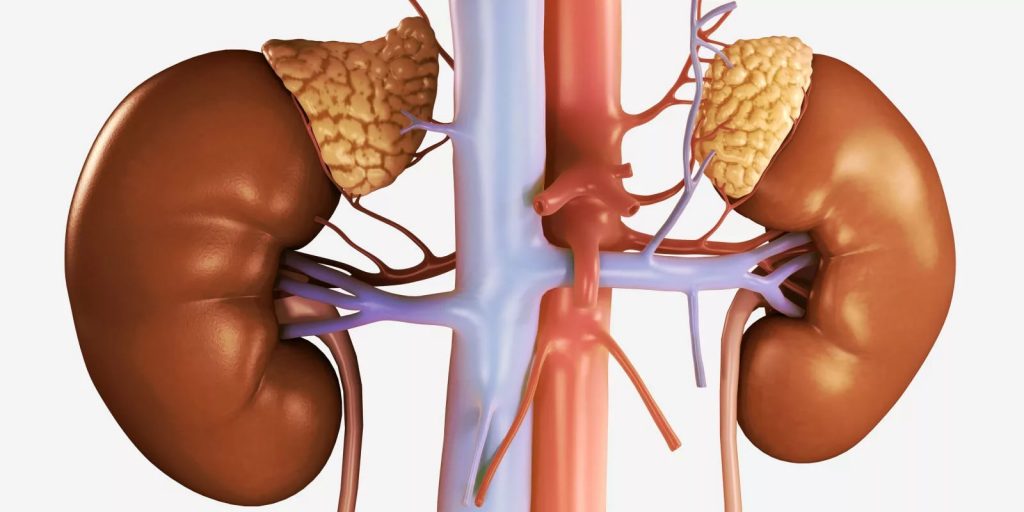
If you’ve been feeling constantly tired, wired but exhausted, or unable to recover even after rest, you may have come across the term “adrenal fatigue.” It’s widely used online to describe a cluster of symptoms linked to chronic stress and low energy.

However, it’s important to clarify: “adrenal fatigue” is not a recognized medical diagnosis. What people are often experiencing is a combination of stress-related fatigue, sleep disruption, lifestyle imbalance, or other underlying conditions.

That said, the symptoms are very real and there are effective, natural ways to support your body’s energy and recovery systems.

Sống khỏe cùng BVXA – Kỳ 40: Suy Tuyến Thượng Thận Do Thuốc | Bệnh viện đa  khoa Xuyên Á


🧠 What People Mean by “Adrenal Fatigue”

The term is commonly used to describe symptoms like:

  • Persistent fatigue
  • Difficulty waking up
  • Craving sugar or salty foods
  • Brain fog
  • Low motivation
  • Feeling overwhelmed or burned out

These are often linked to chronic stress and dysregulation of the stress-response system (involving hormones like cortisol).

⚠️ What It’s Not

True adrenal disorders do exist - such as Addison's disease but they are rare and medically diagnosable.

Most people experiencing “adrenal fatigue” are actually dealing with:

  • Chronic stress overload
  • Poor sleep quality
  • Nutritional imbalance
  • Burnout

⚡ 17 Natural Approaches to Boost Energy and Recovery

🛌 1. Prioritize Deep, Consistent Sleep

Aim for 7–9 hours per night. Sleep is the foundation of hormone balance and recovery.

🌅 2. Get Morning Sunlight

Exposure to natural light helps regulate your circadian rhythm and improve energy levels.

🧘 3. Manage Stress Daily

Incorporate practices like:

  • Meditation
  • Deep breathing
  • Mindfulness

Even 10 minutes a day can help.

🍽️ 4. Eat Balanced Meals

Include:

  • Protein
  • Healthy fats
  • Complex carbs

Avoid relying on sugar for quick energy.

💧 5. Stay Hydrated

Dehydration can worsen fatigue and brain fog.

🏃 6. Move Your Body Regularly

Light to moderate exercise improves circulation and energy—avoid overtraining.

☕ 7. Limit Excess Caffeine

Too much caffeine can disrupt sleep and increase stress hormones.

🍫 8. Reduce Sugar Intake

Frequent sugar spikes lead to energy crashes and fatigue.

🧠 9. Take Mental Breaks

Constant stimulation (phones, work, stress) drains mental energy.

🌿 10. Consider Adaptogenic Herbs (With Guidance)

Some herbs like ashwagandha or rhodiola may help support stress response - but consult a professional first.


Mệt mỏi kéo dài: Coi chừng mắc suy tuyến thượng thận

🧂 11. Maintain Electrolyte Balance

Sodium, potassium, and magnesium are important for energy and nerve function.

💤 12. Create a Wind-Down Routine

Reduce screen time and stimulation before bed.

🧍 13. Fix Your Daily Rhythm

Eat, sleep, and wake at consistent times to stabilize your internal clock.

🎯 14. Set Realistic Expectations

Overloading yourself leads to burnout. Learn to pace your energy.

🌳 15. Spend Time Outdoors

Nature exposure can reduce stress and improve mental clarity.

🧩 16. Address Underlying Health Issues

Fatigue can also be linked to:

  • Thyroid imbalance
  • Vitamin deficiencies
  • Chronic conditions

❤️ 17. Listen to Your Body

Fatigue is feedback—not weakness. Adjust your lifestyle accordingly.

🚨 When to Seek Medical Advice

If fatigue is severe or persistent, consider professional evaluation—especially if you experience:

  • Unexplained weight changes
  • Dizziness or fainting
  • Ongoing sleep problems
  • Persistent low mood


Suy tuyến thượng thận: Nguyên nhân, triệu chứng, điều trị và phòng ngừa

💡 Final Thoughts

“Adrenal fatigue” may not be a formal diagnosis, but the experience behind it - chronic exhaustion and burnout - is very real.

The solution isn’t a quick fix. It’s about restoring balance:

  • Better sleep
  • Smarter habits
  • Lower stress
  • Consistent routines

Your body is not broken - it’s overloaded. And with the right support, it can recover.

Sometimes, the most powerful way to boost energy isn’t to push harder - but to recover smarter.

Top Ad 728x90