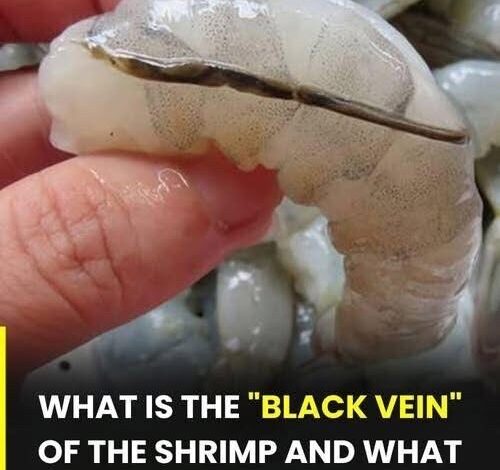
The world of culinary preparation is filled with myths and traditions that often go unquestioned by the average home cook. Among the most persistent of these is the anxiety surrounding the dark thin line found along the back of a shrimp. Whether you are dining at a high-end seafood restaurant or preparing a batch of frozen prawns in your own kitchen the sight of that black thread often triggers a visceral reaction. Most people refer to it as the vein but the biological reality is far more complex and for some slightly more unappetizing than a simple circulatory vessel. Understanding exactly what this feature is how it affects your health and when you should absolutely take the time to remove it can transform your approach to seafood and perhaps save you from a gritty dining experience.
To begin with the term vein is a misnomer that has been passed down through generations of kitchens. In reality that dark string is the shrimps alimentary canal or more simply its digestive tract and intestine. Because shrimp are bottom feeders their diet consists of a variety of organic materials including algae plankton and other small marine organisms. As a result the contents of that canal can vary wildly depending on what the shrimp was eating shortly before it was harvested. The black or dark grey color that causes so much concern is actually a combination of undigested food and the natural waste products of the shrimps metabolic processes. While the idea of consuming a crustaceans digestive waste might sound inherently dangerous or unhygienic the biological truth is much more forgiving than one might expect.
One of the most common questions asked by nervous diners is whether or not consuming this vein can make a person sick. The short answer is no provided the shrimp has been cooked to the appropriate internal temperature. Like any other animal product the digestive tract of a shrimp can harbor bacteria but the high heat of boiling grilling or sautéing effectively neutralizes these microscopic threats. If you have ever accidentally swallowed a shrimp that hadn’t been properly cleaned you can rest easy knowing that your digestive system is more than capable of handling the encounter without any long term health consequences. The real issue with the shrimp vein is not one of safety but of sensory quality.
Texture is perhaps the most significant reason that professional chefs insist on deveining shrimp especially when working with larger species. Because shrimp often sift through the sand and silt on the ocean floor their digestive tracts can become filled with fine grit and sediment. If left intact this grit remains inside the shrimp during the cooking process. When you take a bite of a large uncleaned shrimp you are likely to experience an unpleasant crunchiness that feels like sand between your teeth. This can ruin the mouthfeel of a perfectly prepared scampi or a delicate shrimp cocktail. Furthermore the contents of the intestine can occasionally carry a slightly bitter or muddy flavor profile which can clash with the natural sweetness of the shrimp meat.
The decision to devein often comes down to the size of the shrimp and the nature of the dish being prepared. For smaller shrimp such as the tiny varieties used in salads or as pizza toppings the digestive tract is so minuscule that its presence is virtually undetectable. In these cases the labor required to remove the vein far outweighs the minimal benefit to the final flavor or texture. However as shrimp grow in size their digestive systems become significantly more prominent. Jumbo shrimp and tiger prawns possess veins that are thick and highly visible making them an aesthetic distraction on the plate. For a chef presentation is a vital component of the dining experience and a dark prominent line running through a pristine white and pink piece of seafood is often considered a sign of amateurish preparation.
If you are aiming for culinary excellence or preparing a dish where the shrimp is the star of the show learning the proper technique for removal is essential. The process is straightforward but requires a steady hand and a sharp tool. Most experts suggest using a small paring knife or a specialized deveining tool to make a shallow incision along the curved back of the shrimp. This exposes the dark thread allowing you to lift it out with the tip of the knife or your fingers. Once the vein is removed a quick rinse under cold water will wash away any lingering debris or stubborn fragments of the tract. For those who prefer a more surgical approach without cutting into the flesh some cooks use a toothpick to hook the vein from the middle of the back and pull it out in one continuous piece maintaining the integrity of the shrimps shape.
In certain types of preparations the removal of the vein is non-negotiable. Take for instance ceviche where the shrimp is technically cured in citrus acid rather than cooked with heat. While the acid does have antimicrobial properties it does not provide the same level of sterilization as a hot grill. In raw or semi-raw preparations the presence of the digestive tract is both a safety concern and a major detraction from the clean bright flavors of the lime and cilantro. Similarly in high-end sushi or sashimi the visual purity of the seafood is paramount and the vein is always removed to ensure the most refined experience for the diner.
Interestingly there are many cultures around the world where the shrimp vein is rarely if ever removed. In many traditional Asian and Mediterranean recipes shrimp are cooked and served whole including the heads shells and tails. In these culinary traditions the digestive tract is viewed as just another part of the animal and the robust seasonings and high-heat cooking methods used in these regions tend to mask any minor bitterness or grittiness. This highlights the fact that the obsession with deveining is largely a Western culinary preference rooted in a desire for clinical cleanliness and visual perfection rather than a universal requirement for taste.
Ultimately whether or not you choose to eat the black vein in a shrimps tail is a matter of personal preference and standards of preparation. If you are in a rush and cooking a simple weeknight pasta for yourself leaving the vein in will not harm you and will likely go unnoticed. However if you are hosting a dinner party or trying to replicate the quality of a professional kitchen taking those few extra seconds to clean your seafood will elevate the dish. It demonstrates a level of care and attention to detail that separates a basic meal from a gourmet experience. The black line might be a bit of a mystery to the uninitiated but now that the secret is out you can make an informed choice. Whether you choose to remove it for the sake of texture or leave it in to save time the most important thing is to enjoy the rich flavorful bounty of the sea without fear.


0 comments:
Post a Comment