“What You Should Know About Falling in Love After 60”
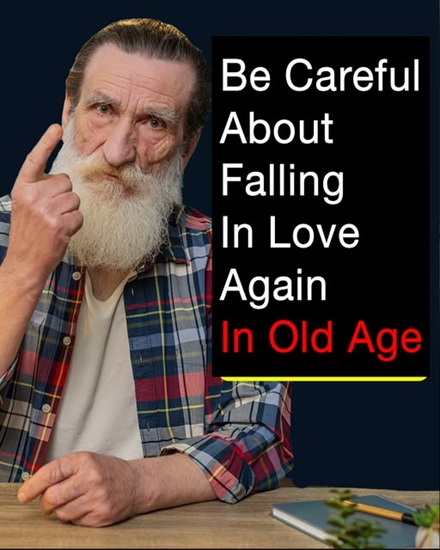
Love after age 60 can be one of life’s most thrilling chapters — but it also brings emotional complexity that many people don’t expect when they first open their hearts again.
Unlike relationships in early adulthood, which often involve planning for marriage, homes, and children, love in later years is more deeply rooted in companionship, shared history, and emotional connection.
Unlike relationships in early adulthood, which often involve planning for marriage, homes, and children, love in later years is more deeply rooted in companionship, shared history, and emotional connection.
Adults in their 60s have often already built full lives — careers, families, friendships, and routines — and a new relationship must compliment those established worlds rather than disrupt them.
As Dr. Michele Leno explained in Parade magazine, “the need for love, attachment and belonging does not change with age,” reminding us that the emotional desires driving later‑life relationships are deeply human and lifelong.

That very human desire, however, can also make later‑life romance vulnerable to emotional pitfalls that are often overlooked by both individuals and the people around them.
One of the earliest emotional challenges for people seeking love later in life is loneliness, which can emerge strongly after transitions like retirement or the loss of a long‑term partner or spouse.
When daily routines shift and social circles shrink, feelings of isolation or emptiness can make the arrival of a kind, attentive stranger feel especially meaningful — even if it’s not full love yet.
At this stage of life, many single adults are also coping with quiet grief — missing a partner, the companionship they shared, and the identity that came with years of shared life.
When someone new arrives during a period of emotional vulnerability, individuals can sometimes mistake relief, comfort, or affection for deep romantic love before it’s truly been tested.
In many cases, what feels like love is actually a response to emotional need — not because the connection is flawed, but because loneliness can cloud judgment and accelerate attachment.
A genuine, resilient relationship takes time, mutual understanding, and clear boundaries — no matter someone’s age — and later‑life adults benefit from slowing the pace of emotional escalation.
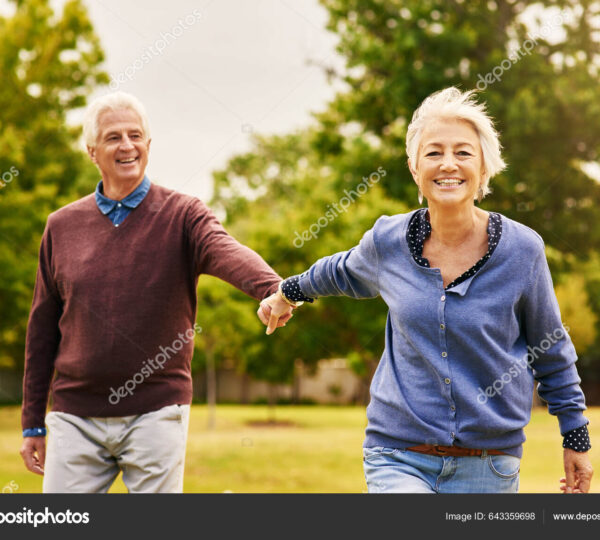
Another emotional issue that often arises in later‑life romance is the belief that “time is running out,” a sense that this might be the final opportunity for a deeply meaningful connection.
That mindset can lead a person to move too quickly, overlook warning signs, or stay in a relationship that doesn’t fully align with their values or long‑term goals.
While wanting companionship is natural, haste in emotional commitment can make individuals more vulnerable to unhealthy patterns or partners who are mismatched in intentions or priorities.
This dynamic is especially important to recognize because older adults often bring emotional and financial legacies into a relationship, and mistakes can have long‑lasting consequences.
Clinical psychologist Dr. Dianne Mani told Parade that when someone demands constant attention — expecting a partner to “drop everything to meet their needs right away” — it’s a red flag for boundary issues, not love.
She emphasized that healthy relationships require mutual consideration of needs, values, and life contexts rather than impulsive or self‑centered demands that disregard a partner’s stability.
In fact, slowing down, asking thoughtful questions, and evaluating long‑term compatibility are just as crucial at 60 as they were at 20 — perhaps even more so.
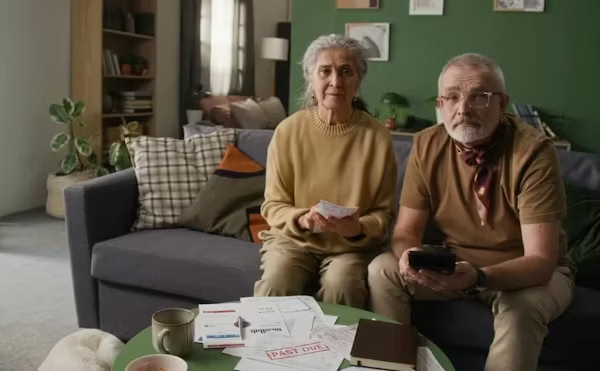
Many people in their 60s have adult children, financial responsibilities, retirees returning to school, or health needs that influence how a partnership should function day‑to‑day.
Recognizing this complexity can help individuals avoid the all‑too‑common mistake of letting their desire for connection outpace their discernment about character and intent.
Financial boundaries are another major area where mature adults must proceed with care, especially when money is tied to future comfort and long‑term stability.
According to relationship experts and counseling platforms like eHarmony, entering a partnership with someone who has poor money‑management habits can create conflict, stress, and insecurity.
At a stage when many adults are planning or enjoying retirement, handling finances with care — budgeting, investing, and protecting assets — becomes central to quality of life.
When a new romantic partner consistently expects the other to cover expenses, avoid plans that cost money, or shows reluctance toward shared financial planning, it could signal deeper conflicts.
These patterns can affect not just day‑to‑day expenses, but also retirement savings, legacy planning for children or grandchildren, and peace of mind in later years.
Dr. Mani has noted that financial stressors can be especially acute for older adults who are balancing retirement planning with health care costs, family obligations, or long‑term commitments.
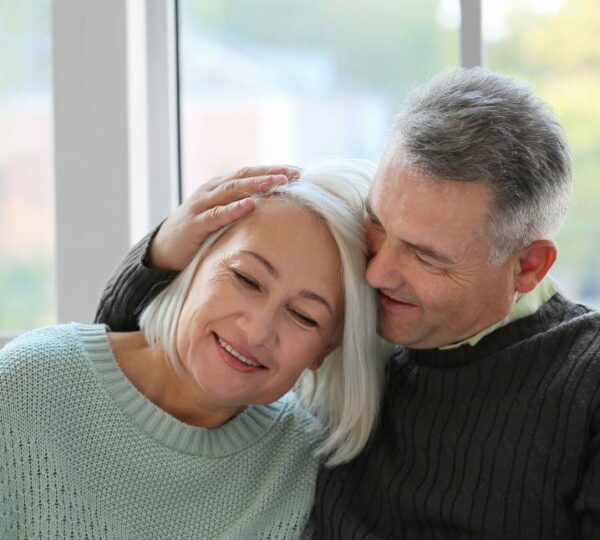
In cases where one partner’s financial habits threaten the financial security of the other, professional financial counseling or clear contractual boundaries can help protect both parties.
For many people, this stage of life is also about preserving independence, dignity, and a legacy they’ve worked hard to build over decades of labor, caregiving, and planning.
Healthy love after 60 should enhance your life without compromising the freedom and stability you’ve earned, allowing both partners to flourish together and independently.
The healthiest later‑life relationships are built on mutual respect, open communication, aligned values, and the ability to enjoy one another’s company without pressure, fear, or emotional urgency.
Emotional honesty is a cornerstone of such relationships; mature partners are more likely to communicate openly about needs, expectations, and long‑term intentions.
This deeper emotional maturity, often gained through life experience, allows later‑life lovers to build connections that are rich in empathy, understanding, and shared aspiration.
Some older adults also find love in unexpected places — through travel, community events, volunteering, classes, online dating, or mutual social networks that bring like‑minded people together.
Online dating, in particular, has become a popular venue for older adults seeking connection, offering opportunities to meet others with shared interests and life goals in a low‑pressure environment.
However, online connections also require caution, clear boundaries, and verification of intentions before sharing sensitive personal or financial information.
While the digital world expands possibilities, it also amplifies risks like misrepresentation and emotional rushing, reminding older adults to proceed with thoughtful care.
In addition to personal boundaries, social support plays a key role in navigating new relationships at any age, including friends, family, and trusted confidants who can provide perspective.
Friends and family can offer honest feedback, emotional grounding, and outside viewpoints that help individuals evaluate potential partners with a clearer understanding of long‑term compatibility.
For many individuals over 60, the support of a community — whether friends, clubs, faith groups, or social circles — reinforces emotional resilience and well‑rounded wellbeing outside of romantic relationships.
Maintaining friendships and personal interests alongside a romantic partnership also prevents emotional dependency and encourages a balanced life rich with activities beyond the coupling.
Health considerations also matter; shared values around fitness, medical care, diet, and lifestyle can strengthen a partnership and promote joint long‑term wellbeing.
Couples who prioritize health together — from walking and travel to preventative medical checkups — often enjoy greater vitality and deeper emotional fulfillment in later years.
Some later‑life relationships evolve gradually over months or years, allowing both partners to observe behavior, communication patterns, and shared integrity before making long‑term commitments.
This slower pace isn’t a lack of passion; rather, it’s a strategic approach that honors emotional wisdom and prioritizes compatibility over impulse.
Family dynamics also influence romantic decisions after 60, especially when adult children or grandchildren enter the equation with opinions, concerns, and emotional investments.
Balancing personal romantic choices with family relationships can be delicate, requiring sensitivity, communication, and mutual respect between partners and their extended families.
In many cases, blending families in later life — including children’s reactions to a new partner — requires patience, transparency, and time to build trust across generations.
Healthy older couples also discuss legacy planning, including wills, health proxies, and financial plans, to ensure that both partners’ interests and security are legally protected.
Well‑structured planning supports emotional certainty and avoids confusion later on, allowing both partners to enjoy each other without lingering insecurity or ambiguity about the future.
Experts often recommend couples have clear conversations about retirement goals, living arrangements, travel dreams, and personal priorities before making shared commitments.
These discussions can reveal compatibility in values, work‑life balance, social desires, and the kinds of day‑to‑day rhythm that support long‑term harmony.
When approached with care, love after 60 can be a deeply fulfilling chapter — one filled with connection, laughter, mutual discovery, and emotional depth that complements the wisdom of age.
Rather than focusing on fear of being alone, many find meaning in relationships that emphasize respect, shared purpose, and the joy of experiences yet to come.
Chapter‑book love in later life often weaves sentimental richness with practical awareness — reminding partners that love can be both emotionally thrilling and grounded in reason.
This is love that embraces growth without dependency, that cherishes freedom without sacrificing connection, and that allows both partners to continue thriving individually and together.
For many, falling in love after 60 becomes a celebration of resilience, self‑knowledge, and the willingness to love with both heart and clarity.
When you approach relationships with clear boundaries, thoughtful questions, and self‑respect, the love you find can truly be a gift that enhances your life.
Healthy love should always improve your wellbeing, bring joy without anxiety, and provide companionship that magnifies life’s beauty rather than complicating it.
If you’re considering a late‑life relationship, heed both your heart and your experience — and give yourself time to choose wisely rather than from fear or loneliness.
Ultimately, love after 60 can be one of the most meaningful, joyful, and life‑affirming experiences a person can have — when built on respect, honesty, and shared purpose.
What advice would you share about falling in love after 60? Let us know your thoughts, and share this story so others can contribute their wisdom too.


0 comments:
Post a Comment