Top Ad 728x90

Friday, May 8, 2026

She was found dead close to the summit 😭

by


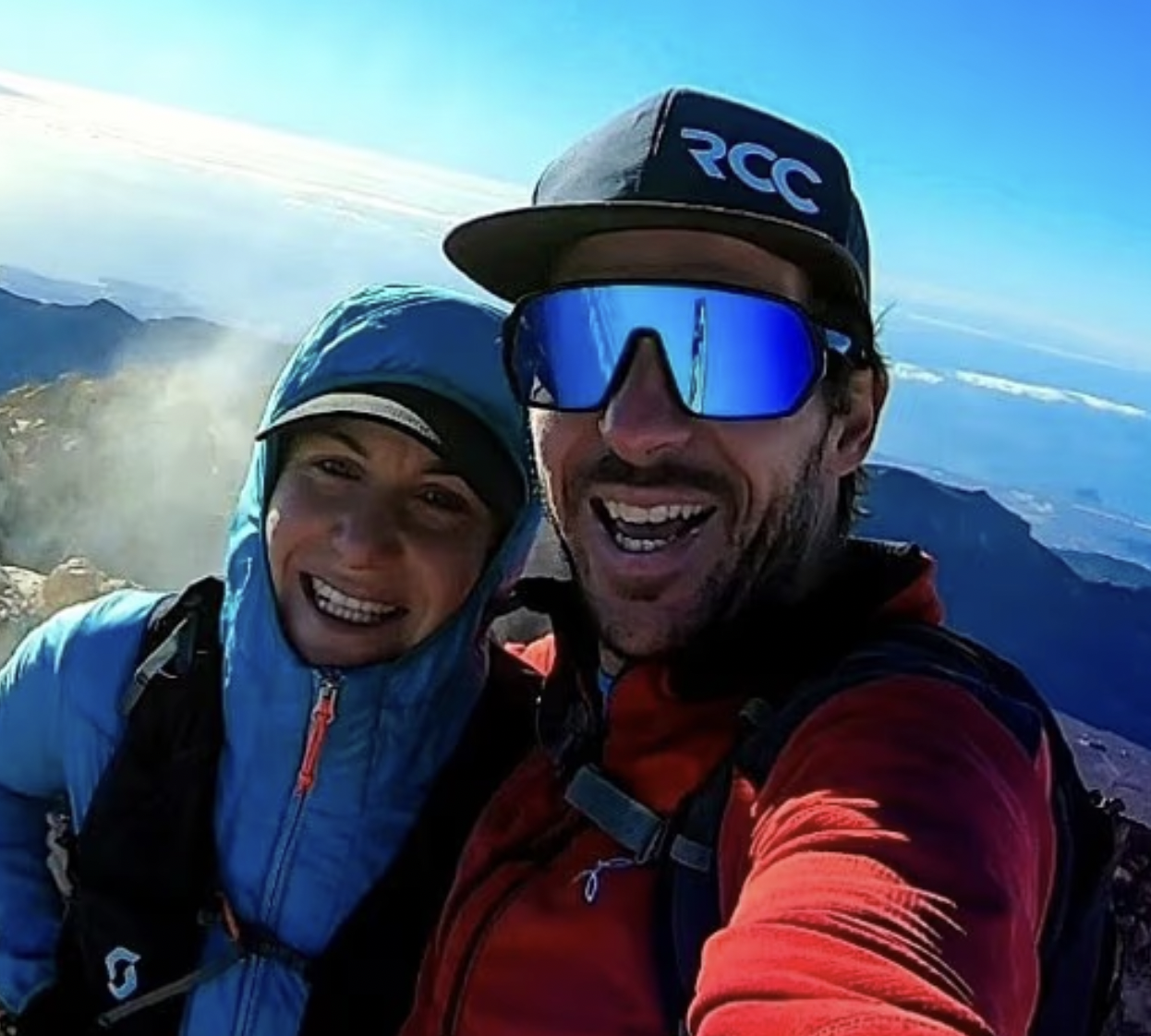
Climber who left girlfriend to freeze to death on mountain revealed her heartbreaking last words to him

A climber who was convicted of gross negligent manslaughter after leaving his girlfriend to die on a mountain in freezing conditions has revealed the last ever words she said to him.

The story of Thomas Plamberger and his partner, Kerstin Gurtner, gained international attention after they made a fatal attempt to scale Grossglockner, Austria’s highest mountain, in January 2025.

The peak, which rises to 12,460ft, is known to be precarious, and is reported to claim the lives of one to two people each year.

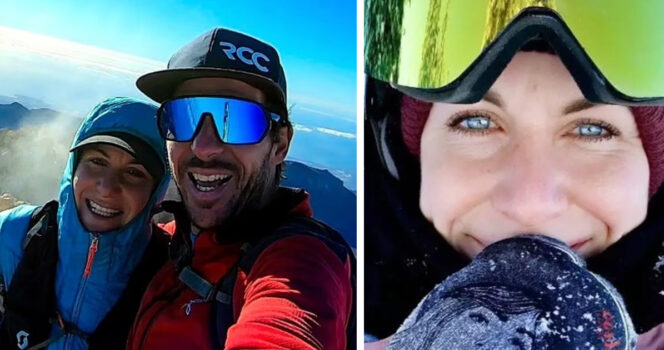
Experienced mountaineer Plamberger, 39, hiked up Grossglocker with Gurtner, 33, on January 19, 2025. The couple were just 150ft from the summit when Gurtner collapsed, exhausted, at around 9:50pm.

By that point the temperature had plummeted to -20C (-4°F) and it soon became apparent that Gurtner could go no further.

Gurtner, a native of Salzburg, Austria, described herself as a “winter child” and “mountain person” on social media, though a statement from the public prosecutor’s office, per the NY Post, claims she had little experience with alpine high-altitude tours.

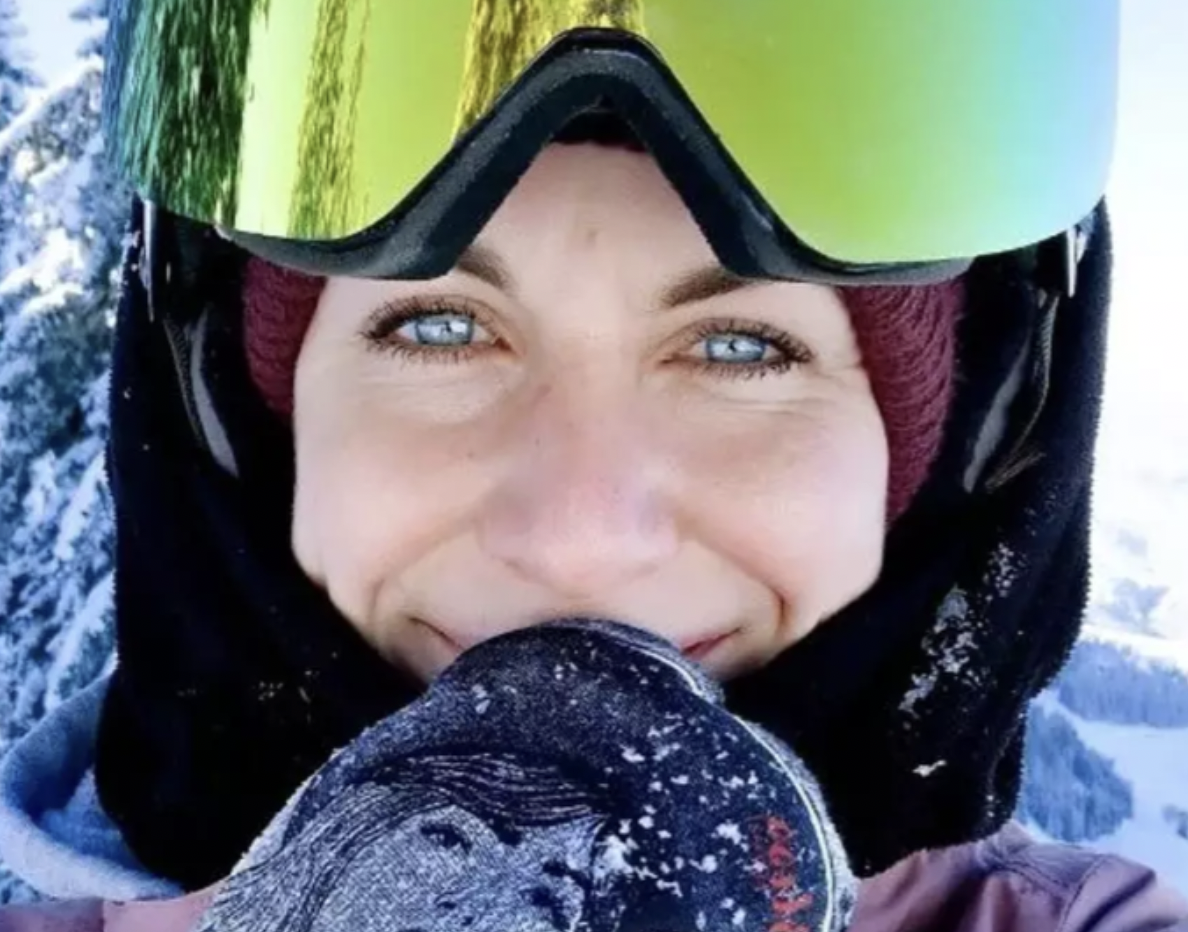
Kerstin Gurtner died of exposure. (Kerstin Gurtner)

According to local news outlet Heute, Plamberger and Gurtner were stranded from 8 p.m. onward. Plumberger did not make an emergency call, nor did he give any distress signals when police helicopters flew nearby at 10.50 pm.

At 1.35 am, Plumberger called Alpine police but then put his phone on silent mode, per prosecutors. 30 minutes later, he made his way down the mountain to get help, leaving Gurtner where she was. It’s alleged that he failed to move her to a more sheltered location, and even neglected to cover her with an emergency blanket.

Rescue teams were not able to reach Kerstin until the morning after due to extreme winds. She was later found dead just beneath the summit cross.

Ultimately, Plamberger was convicted of gross negligent manslaughter in February 2026. He maintained that “she told me to go” as the reason for leaving her.

Gurtner and Plamberger. Credit / X

Meanwhile, Gurtner’s mother has publicly supporter Plamberger, arguing that it was her daughter’s choice to attempt to scale the mountain at night.

“Kerstin was also out in the mountains at night because she had to work during the day,” she said. “She loved mountain hikes at sunrise and sunset. The two of them were equipped for the night.

“If Kerstin didn’t agree, they wouldn’t have gone on a mountain tour. Therefore, he doesn’t deserve to be held responsible as the guide.”

After cruel comments flooded in, he decided to respond…💔👇

by


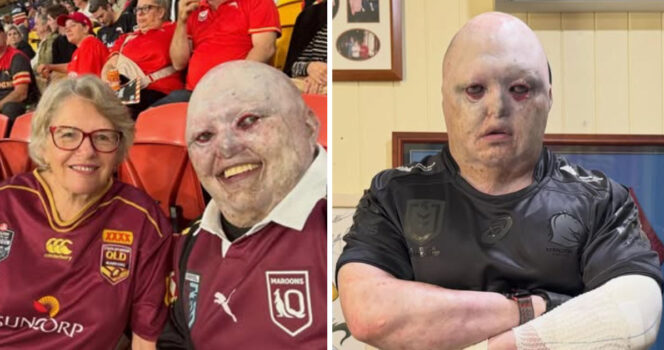
Man with rare skin condition hits back after AI brands him a ‘zombie’ in viral photo

Dean Clifford was born with a rare skin condition and recently opened up about how cruel people can be online.

The internet is amazing in a lot of ways. These days, we can reach our loved ones with the click of a button, keep in touch with friends in different states or countries, listen to music whenever we want, read the news on our phones, and follow our favorite celebrities on social media.

But while the internet makes life easier and better in some ways, it also has some serious downsides – something Australian-born Dean Clifford, 46, has unfortunately experienced firsthand.

Clifford was born with a rare skin condition called Epidermolysis Bullosa. The condition causes persistent blisters, tears, and wounds on the skin. Most people affected by the condition do not live beyond the age of 30. When Clifford was born, doctors reportedly told his parents he would not make it past the age of 5 – but he beat the odds.

Epidermolysis Bullosa

He does not let the condition limit his life and makes sure to spend time doing the things he enjoys. Unfortunately, people have not always been kind to him, and after recently posting a photo of himself and his mother during a rugby league game, he was met with a wave of cruel comments.

The selfie quickly went viral, and Meta’s AI program reportedly labeled Clifford as being in a “zombie costume.” After receiving hateful comments about his appearance online, Clifford decided to speak out.

“Who would have thought posting a fun photo at a football game with my mum on Friday night would result in so many trolls finding the way my skin looks as something they can try to make fun of. Thanks Facebook #METAAI for sharing my photo without my consent and tagging my the way I look the way you did. It just goes to highlight what why Facebook is quickly becoming completely irrelevant in real life.

“But to the thousands of you who thought they were being smart or having fun at my expense here’s something you may not be aware of.”

“I hear all the whispers behind my back”

He went on to describe how he has dealt with bullying and cruel comments since he was two years old.

“Living with such a rare genetic skin condition has meant throughout my entire life, kids / adults, EVERYONE has been scared of me. People have pointed and stared to the point where they trip over themselves or walk into walls which is f****g hilarious. I hear all the whispers behind my back. I have had people try to fight me because they thought I was the weakest link. I have even had people threaten to kill me in the past.”

He continued: “Let me be clear. I do not care what you think of me. You think you can sit behind your keyboard and your comments are going to impact my life. Come say it directly to my face. Go on. I DARE YOU.

“Enjoy your pathetic small life in your parents basement or your childhood bedroom. I will continue to travel the world and live life to its absolute fullest and have a kick ass time doing it!”

Meta apologized

According to LADBible, Meta later issued a statement apologizing.

“We’re sorry to hear about Mr Clifford’s experience and sincerely apologise for any distress caused,” the technology company said.

“These prompts were generated automatically and may not always produce the results intended.

“We take this matter seriously and constantly seek feedback on our AI products and models to make them better over time.

“People can report AI-generated content they find inappropriate with our in-app reporting tools.”

Officials now believe they may have finally uncovered what caused the terrifying cruise ship outbreak that left three people dead… 😳👇

by


Officials finally think they know origin of hantavirus outbreak on cruise that caused three deaths

Health officials investigating the deadly hantavirus outbreak aboard a cruise ship now believe they may have identified where the infection began.

Authorities in Argentina suspect the virus may have originated during a birdwatching excursion to a landfill site in Ushuaia – the country’s southernmost region – after several passengers aboard the MV Hondius became infected with the rare illness.

Three passengers died during the ship’s voyage from Argentina to Cape Verde, while more than 150 people were left stranded off the coast of Cape Verde as health officials worked to contain the outbreak. The vessel has since been cleared to dock in the Canary Islands.

According to Argentine officials speaking to the Associated Press, investigators believe a Dutch couple likely contracted the virus while visiting a landfill area in Ushuaia that may have been heavily populated by rodents. Officials suspect the couple then unknowingly brought the infection onboard the ship.

Hantavirus death rate

Health experts confirmed this week that patients linked to the outbreak were infected with the rare “Andes” strain of hantavirus – a variant known to spread between people in close-contact settings.

Hantavirus is typically transmitted through exposure to rodents, including contact with urine, feces, saliva, or airborne particles from dried droppings. According to WHO, “HCPS has a high case fatality rate, commonly between 20% and 40%, making it a disease of major public health concern.”

As fears grow that the outbreak could mirror the early stages of Covid-19, WHO epidemiologist Maria Van Kerkhove said the following during a recent press conference, according to ABC News: “This is not the next Covid, but it is a serious infectious disease. If people get infected, and infections are uncommon, they can die. People on the ship who are hearing this are very scared, rightly so.

“The general public might be scared as well. Accurate information is critical. Knowing what your actual exposure might be – most people will never be exposed to this.”

Pay close attention if you have nighttime cramps; your body is warning you that you have a problem... See more

by


Waking up in the middle of the night with a sudden, sharp pain twisting through your calf or foot can ruin what should be a peaceful rest. One moment you’re sound asleep, and the next your muscle locks up in a tight, uncomfortable knot that forces you to sit up and stretch desperately for relief. These episodes don’t just steal your sleep—they leave you groggy, irritable, and less focused the next day, making even simple tasks feel harder.

If this keeps happening, it’s natural to feel frustrated and wonder what’s going on. But here’s the thing: those nighttime leg cramps could be your body’s way of gently signaling that something in your daily routine or habits might need a little more attention.

The good news is there are practical, everyday steps you can take to support your muscles and enjoy more comfortable nights. Keep reading because we’re about to uncover the most common connections and share easy habits you can start using tonight.

What Exactly Are Nighttime Leg Cramps?

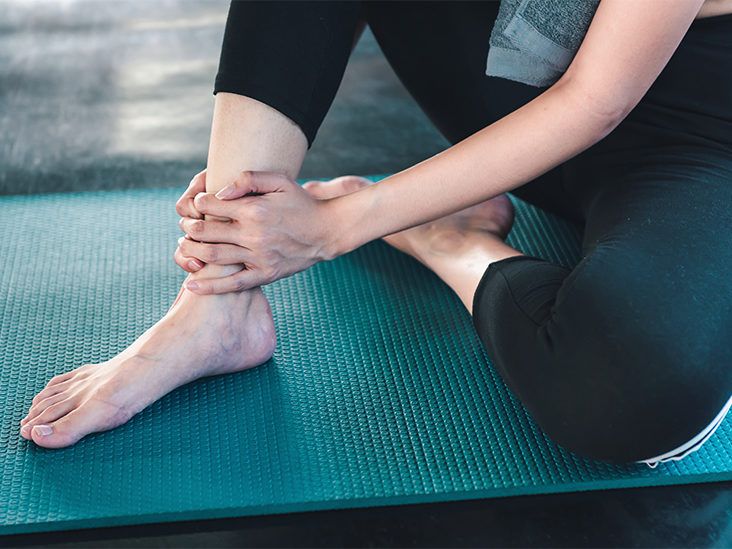
Nighttime leg cramps, often called nocturnal leg cramps, are sudden and involuntary muscle tightenings that usually strike in the calf, foot, or thigh while you’re resting or sleeping. They can last from a few seconds to several minutes and often wake you up with intense discomfort.

Unlike general muscle soreness, these cramps feel like a hard knot that won’t release right away. You might have to stand, walk, or gently stretch to ease the tension. They’re very common—especially after age 50—and can happen to anyone regardless of how active you are.

Research from sources like the Cleveland Clinic shows they’re usually harmless but can disrupt sleep quality when they become frequent.

Common Factors That May Play a Role in Nighttime Leg Cramps

Leg Cramps at Night: Causes, Treatment, Prevention, and Seeking Help

But what actually triggers them? While the exact cause isn’t always clear, experts point to a mix of everyday factors that can make muscles more likely to tighten up unexpectedly.

How Dehydration and Daily Activity Affect Your Muscles

Dehydration is one of the top contributors people notice. When your body lacks enough fluids, muscles don’t work as smoothly. Long days on your feet, exercise, or even hot weather can increase the chance of cramps if you’re not replenishing fluids regularly.

Poor circulation from sitting or standing too long in one position can also play a part. Your muscles get tired and less flexible, making nighttime tightenings more likely.

The Surprising Link to Nutrient Support for Muscle Function

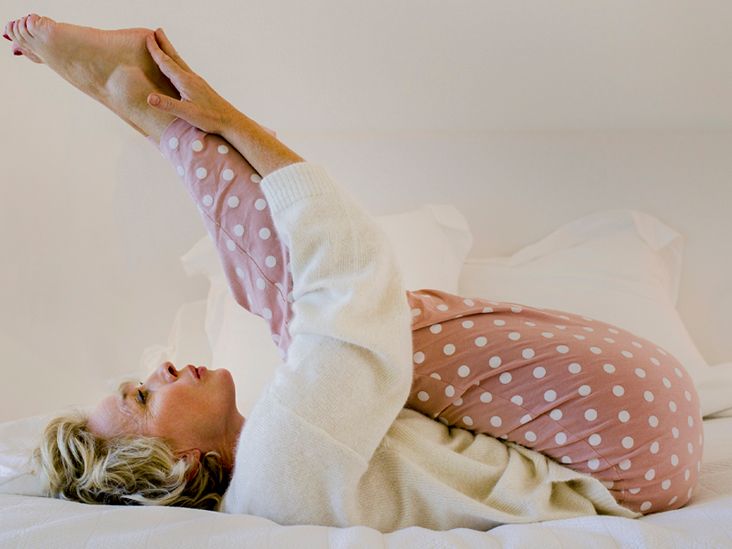
Leg Cramps at Night: Causes, Treatment, Prevention, and Seeking Help

Here’s where it gets interesting: many people wonder whether their diet could be connected. Certain minerals and vitamins play important roles in how muscles contract and relax normally.

Magnesium helps support muscle relaxation, potassium aids electrolyte balance, calcium is essential for proper signaling, and vitamin D supports overall muscle health. Some research suggests that when levels of these nutrients are lower than ideal, cramps may occur more often—though studies show mixed results and more research is always ongoing.

The key takeaway? Paying attention to a balanced diet can be a smart way to support your body’s natural needs.

Here are some everyday foods many people include to support healthy electrolyte levels and muscle comfort:

  • Bananas, oranges, and sweet potatoes — rich in potassium
  • Spinach, almonds, and pumpkin seeds — great sources of magnesium
  • Yogurt, cheese, and leafy greens — provide calcium
  • Fatty fish like salmon or fortified foods — help with vitamin D
  • Avocados, beans, and coconut water — offer natural electrolyte support

Adding these to your meals doesn’t require major changes—just small, consistent choices.

Other Everyday Habits That Can Influence Cramps

But that’s not the whole picture. Lifestyle factors matter just as much as what’s on your plate.

Overuse from intense workouts, wearing unsupportive shoes, or even sleeping with your feet pointed downward can set the stage for cramps. Certain medications or underlying health considerations (like circulation changes) may also contribute, which is why listening to your body is so important.

The surprising part is how much small daily adjustments can make a difference in how your legs feel at night.

Practical Habits You Can Start Tonight to Support More Restful Sleep

The best news? You don’t need complicated routines. Here are simple, actionable steps that many people find helpful for promoting muscle comfort and better sleep.

Stay Ahead of Hydration All Day Long

Drink water consistently throughout the day—aim for at least 8 glasses. Limit caffeine and alcohol in the evening since they can contribute to dehydration. Keep a glass by your bed for easy sipping if you wake up.

Gentle Stretching Routine Before Bed

Stretching your calves and hamstrings in the evening can help keep muscles loose. Try this simple 5-minute routine:

  • Calf stretch against the wall: Stand facing a wall, place one foot back with the heel flat, and gently lean forward until you feel a stretch in the back leg. Hold for 20–30 seconds on each side.
  • Seated hamstring stretch: Sit on the edge of your bed, extend one leg straight, and reach toward your toes. Hold gently for 20 seconds per leg.
  • Foot flex: While lying in bed, point and flex your feet several times to loosen the muscles.

Do these slowly and breathe deeply—never force the stretch.

Create a Supportive Sleep Environment

Keep your bedding loose so your feet aren’t pointed downward. Consider a small pillow under your knees if you sleep on your back. Wear comfortable, supportive shoes during the day to reduce strain.

Here’s another quick list of daily habits that support overall leg comfort:

  • Move around every hour if you sit a lot at work
  • Take a short evening walk to promote gentle circulation
  • Elevate your legs for a few minutes after a long day
  • Choose magnesium-rich snacks in the afternoon if they fit your routine
  • Maintain a consistent bedtime to help your body wind down

These small changes add up and can make waking up refreshed much more likely.

What to Do When a Cramp Hits in the Moment

When a cramp strikes, don’t panic. Sit up slowly, straighten your leg, and gently flex your foot upward toward your knee. Massage the tight area with firm but gentle pressure. A warm towel or quick walk around the room often brings quick relief.

When Should You Talk to a Healthcare Professional?

While most nighttime leg cramps are common and manageable, it’s smart to check with your doctor if they happen very frequently, are extremely painful, or come with swelling, redness, or other changes. They can help rule out any other factors and guide you on the best next steps for your situation.

Wrapping It Up: Listening to What Your Body Is Saying

Nighttime leg cramps can feel disruptive, but they often serve as a helpful reminder to pay closer attention to hydration, movement, diet, and sleep habits. By making small, consistent changes—like staying hydrated, stretching gently, and choosing nutrient-supporting foods—you give your body the everyday support it needs for more peaceful nights.

Your legs (and your sleep) will thank you for it.

FAQ: Your Most Common Questions About Nighttime Leg Cramps

What usually causes nighttime leg cramps?
They often stem from muscle fatigue, dehydration, or changes in electrolyte balance. Daily habits like hydration levels, activity patterns, and sleep position can all play a role, though the exact trigger isn’t always obvious.

Can certain foods really make a difference?
Yes—foods rich in potassium, magnesium, calcium, and vitamin D support normal muscle and nerve function. Including more bananas, leafy greens, nuts, and dairy (or fortified alternatives) is a simple way many people support their wellness routine.

What’s the best way to stretch and prevent cramps?
A short evening routine focusing on calves and hamstrings works well for most people. Gentle wall stretches and foot flexes before bed help keep muscles relaxed without any strain.

Disclaimer: This article is for informational purposes only and does not replace professional medical advice. Always consult your healthcare provider before making significant changes to your diet, exercise, or supplement routine, especially if you have existing health conditions. Individual results may vary.

White House Doctor Breaks Silence!...See more👇

by


Donald Trump falls on the stairs while boarding Air Force One!


In the hyper-kinetic landscape of the 21st-century digital era, the distance between a private moment and a global headline has shrunk to the width of a smartphone screen. For world leaders, whose every public appearance is recorded, archived, and dissected by a phalanx of cameras, the concept of a “minor incident” has essentially vanished. A recent and vivid illustration of this occurred when President Donald Trump experienced a brief misstep while ascending the staircase to board Air Force One.

While physically inconsequential, the moment served as a digital lightning rod, illuminating the intricate ways in which modern political culture, media algorithms, and public expectations converge to transform a mundane stumble into a significant national discourse.

The event took place on a typical travel day in Morristown, New Jersey. After concluding a brief exchange with the press, Trump turned to navigate the metal stairs of the presidential aircraft. In a split second captured by news crews, his foot appeared to catch, resulting in a brief, instinctive lurch—the kind of balance

correction that millions of people perform daily on uneven pavement or slick surfaces. Interestingly, Secretary of State Marco Rubio, walking nearby, appeared to navigate a similar momentary instability on the same set of stairs. Neither man fell; neither required assistance. Within seconds, the ascent was completed,

and the doors of the aircraft closed. In any other era, this would have been a non-event. In 2025, however, it was the beginning of a viral phenomenon.

The rapid dissemination of this footage was fueled by the structural priorities of modern social media. Platforms like TikTok, X, and Instagram are optimized for “snackable” content—short, visually dramatic clips that require no prior context to elicit an immediate emotional response. A stumble by a polarizing public

figure is the ultimate algorithmic fuel. It is easily remixed, endlessly loopable, and provides a blank canvas upon which viewers can project their existing biases. This “clip culture” ignores environmental factors—such as wind resistance on an elevated tarmac or the steepness of industrial stairs—favoring instead a narrative of symbolic frailty or comedic fodder.

Central to the intensity of this reaction is the ongoing national dialogue regarding the age and physical stamina of political leaders. As the average age of American presidents has trended upward, the public has become hyper-fixated on “vitality optics.” Every stride, wave, and stair-climb is no longer viewed as a simple movement,

but as a diagnostic test of fitness for office. This scrutiny creates an environment where a single misstep is interpreted not as a universal human error, but as a metaphorical crack in the foundation of leadership. Consequently, the Trump video became a vessel for a much larger, pre-existing anxiety about the intersection of aging and executive power.

The media’s role in shaping this narrative further complicates the public’s perception. In a fragmented media landscape, the “neutrality” of coverage is often in the eye of the beholder. Many observers were quick to draw comparisons between this incident and President Joe Biden’s 2021 stumble on the same stairs.

Supporters of Trump argued that the media was downplaying his misstep while having spent weeks scrutinizing Biden’s, while critics argued the opposite. This phenomenon of “comparative outrage” reveals a profound lack of trust in journalistic consistency. It suggests that many citizens no longer evaluate a news event based on its intrinsic facts, but rather on how it fits into a broader scorecard of perceived media bias.

From a psychological perspective, the spread of the misstep video is a classic study in confirmation bias. For those who already harbor doubts about a candidate’s fitness, a stumble serves as “proof” of their suspicions. For supporters, the same clip is viewed as a desperate “nothing-burger” manufactured by a hostile press.

This polarized interpretation ensures that even a neutral piece of footage becomes a tool for division. The stumble itself becomes secondary to the debate about the stumble, shifting the conversation away from policy and toward the theater of physical optics.

Historically, the physical vulnerabilities of presidents were often carefully shielded from the public eye. Franklin D. Roosevelt’s use of a wheelchair was rarely photographed; the chronic ailments of John F. Kennedy were treated as state secrets; the early signs of Ronald Reagan’s cognitive decline were managed by a protective inner circle.

Today, such a curtain is impossible. We live in an era of total visibility, where the expectation of transparency has collided with a digital infrastructure that rewards sensationalism. This shift has forced leaders to perform a constant, exhausting dance of “perceived strength,” where even a momentary lapse in balance can be weaponized as a campaign liability.

The political use of physical imagery has always been a staple of campaigning—from Theodore Roosevelt’s “Rough Rider” persona to modern images of candidates jogging or boarding planes with vigorous energy. These visuals are designed to project a sense of tireless capability. When a video like the Air Force One stumble surfaces, it disrupts this carefully managed image. Campaigns must then engage in a delicate form of damage control, often by leaning into humor or dismissing the event as a distraction, while opposing forces seek to keep the footage in the digital rotation for as long as possible.

Furthermore, the influence of social media algorithms cannot be overstated. These systems are designed to amplify content that provokes high-arousal emotions like anger or amusement. Because a stumble is visually dramatic and easy to understand, it is far more “valuable” to an algorithm than a nuanced policy speech. This creates a feedback loop where the public is fed a diet of trivial physical moments, which in turn reinforces the idea that these moments are the most important metrics of leadership. We have reached a point where the “optics of movement” often outweigh the “substance of governance” in the court of public opinion.

In reality, the stumble on the stairs was a minor physical hiccup in a long day of high-pressure travel. It resulted in no injuries, no delays, and no changes to the executive schedule. Yet, as the video rippled through the digital ecosystem, it grew in symbolic weight, eventually touching on every nerve ending of the American political body:

ageism, media bias, partisan loyalty, and the culture of viral outrage. It serves as a stark reminder that in our hyper-connected world, the most significant “events” are often those that allow us to argue about the things we already believed.

As we move forward, the “stumble on the stairs” will likely be forgotten, replaced by the next viral clip of the next leader’s next minor error.

However, the dynamics it revealed—the fragmentation of truth, the power of algorithmic emotion, and the crushing weight of public visibility—are here to stay. This incident was never really about a foot catching on a metal step; it was about a society struggling to find its own balance in a world where everything is seen, nothing is forgotten, and even the smallest misstep can be turned into a mountain of national consequence.


Police find girl missing since 2022 ‘She was n... See more

by


Missing for 3 Years, Then Found Alive, What Police Discovered Left Everyone Stunned

For three years, her name lived in silence and whispers.

It lingered on posters taped to street poles, faded under sun and rain. It echoed through candlelight vigils where strangers stood shoulder to shoulder, holding onto a hope that felt fragile but impossible to let go of. It stayed in the minds of neighbors, teachers, friends—people who refused to accept that a young girl could simply disappear without a trace.

Then, suddenly, everything changed.

Authorities confirmed what many had stopped daring to believe: the girl who vanished in 2022 had been found alive.

The announcement spread fast. Phones buzzed, conversations stopped mid-sentence, and a stunned kind of relief rippled through a community that had spent years bracing for the worst. What had once been a story defined by fear and unanswered questions became something else entirely—a rare, almost unbelievable return.

But to understand what this moment meant, you have to go back to the beginning.

The day she disappeared started like any other.

There were no warnings. No signs that anything was about to go wrong. Just a normal day that turned into something unrecognizable in a matter of hours. When her family realized she was missing, panic set in quickly. Calls were made. Friends were contacted. Streets were searched.

At first, there was urgency—but also belief that she would be found soon.

That belief didn’t last.

Days turned into weeks. Weeks into months. Every passing moment stretched the distance between hope and reality. Search efforts expanded, but answers didn’t come. The uncertainty settled into something heavier, something harder to carry.

Even the strongest people in her life began to fear what they couldn’t say out loud.

Still, they never stopped.

Her face became known far beyond her hometown. It appeared on news broadcasts, online campaigns, and flyers that people carried into neighboring cities. Volunteers organized search groups, walking through wooded areas, abandoned structures, and places no one ever expects to look—until they have no choice.

Each lead brought a brief surge of hope.

Each dead end left a deeper mark.

The investigation became relentless. Detectives followed every detail, no matter how small. Tips poured in—some credible, many not—but each one was examined carefully. Law enforcement refused to let the case go cold, even as time passed and public attention began to fade.

Because for her family, it never faded.

They lived in a state of waiting.

Waiting for a call. A breakthrough. Any sign that their daughter was still out there. Nights stretched into sleepless hours filled with questions that had no answers. Days became routines built around absence.

But even in the darkest moments, they held onto something.

Hope.

Not the easy kind. Not the kind that feels comforting. The kind that aches. The kind that survives even when logic says it shouldn’t.

And somehow, it was enough to keep them going.

Years passed.

The world moved forward, as it always does. New stories replaced old ones. Attention shifted. But in that community, her name never disappeared. People remembered. They talked about her. They showed up—for the family, for each other, for the possibility that one day, something would change.

And then it did.

After more than three years, investigators uncovered a lead that didn’t fade like the others. It didn’t collapse under scrutiny or disappear overnight. It held.

And it led them to her.

Alive.

Details surrounding her recovery remain limited, and for good reason. Authorities have been careful, emphasizing the sensitivity of the situation and the need to protect the young survivor as the investigation continues. What they have confirmed is enough to understand the gravity of what she endured.

She had been living under harsh, difficult conditions.

Conditions no child should ever experience.

Investigators are still working to piece together the full story—what happened, how she survived, who was responsible. Each answer brings more clarity, but also more questions. The case is far from over.

But one truth stands above everything else.

She made it back.

For her family, the moment of reunion is something words struggle to capture. After years of uncertainty, of fearing the worst while hoping for the impossible, they were finally able to see her again. To hold her. To know, without doubt, that she was alive.

Relief came first.

Then emotion, overwhelming and complex. Gratitude toward everyone who refused to give up—law enforcement, volunteers, neighbors, even strangers who shared her story and kept it alive.

But alongside that relief is something else.

Understanding.

Understanding that healing will take time.

Because survival is only part of the story.

Experts in trauma and recovery have already emphasized what lies ahead. For the girl, returning to normal life will not be simple. The physical safety she has regained does not erase what she experienced. Emotional scars, trust, fear—these things don’t disappear overnight.

They have to be worked through, slowly, carefully, with support.

For her family, the journey is just as complex. Joy exists, but it sits beside the reality of rebuilding. Relearning how to be together. Creating a sense of safety that was once shattered.

Healing, they say, is not a moment.

It’s a process.

The community that stood by them for years is still there.

People who once organized searches and vigils are now offering support in new ways. Meals, messages, quiet gestures that remind the family they are not alone in what comes next. The same collective strength that carried them through uncertainty is now helping them navigate something just as challenging—moving forward.

Authorities continue their work.

They are focused on understanding every detail of what happened and ensuring that anyone responsible is held accountable. They’ve promised transparency, but only when it’s appropriate—when sharing more won’t risk the investigation or the well-being of the girl at the center of it all.

For now, their priority is clear.

Protect her.

Support her.

Make sure she is safe.

Despite the unanswered questions, one feeling rises above everything else.

Hope.

Not the fragile kind that flickers under pressure, but something stronger. Something proven. This case, once marked by fear and uncertainty, has become something rare—a reminder that even after years of silence, outcomes can defy expectations.

That persistence matters.

That communities matter.

That refusing to forget someone can make a difference.

For her family, the nightmare of not knowing has ended.

Their daughter is home.

For the community, the story that once felt like an open wound has begun to close, slowly but surely. And for everyone watching from the outside, it stands as something powerful—a testament to resilience, to love, and to the simple but unshakable belief that no one should ever be forgotten.
What Catches Your Eye First Could Say a Lot About You Find Out The Answer In The Comments ⬇️

by


What Catches Your Eye First Could Say a Lot About You


Have you ever looked at an image and instantly noticed one detail—only to realize later that someone else saw something completely different?

It turns out, that split-second reaction might reveal more about your inner world than you expect.

Viral visual tests like this one have been making the rounds online, sparking curiosity and conversation. While they're not a substitute for real psychological assessment, they can offer an interesting glimpse into how your mind is processing emotions beneath the surface.

So take a moment, trust your instinct, and ask yourself:

What did you notice first?

The Image: Two Stories in One

The black-and-white illustration at the center of this test contains two distinct scenes:

  1. A single dove in flight
  2. Two girls running together, hand in hand

Both are simple, yet symbolic. And your immediate focus may subtle reflect aspects of your current emotional state.

If You Noticed the Dove First…

If your eyes were drawn to the dove, it could suggest a deeper focus on independence, reflection, or even a desire for peace and clarity.

The dove is often associated with calmness and solitude. Seeing it first might mean:

  • You're craving quiet or emotional space
  • You've been doing a lot of internal thinking lately
  • You may feel slightly disconnected or in need of balance

This isn't necessarily negative—it can also reflect self-awareness and a strong inner world. But it might be a gentle reminder to check in with yourself and your emotional needs.

If You Noticed the Girls Running First…

If the image of the two girls stood out immediately, your mind may be leaning toward connection, joy, and shared experiences.

This could indicate:

  • A desire for companionship or stronger relationships
  • A generally positive or light emotional state
  • An appreciation for freedom, playfulness, or nostalgia

It might also suggest that you're currently valuing social interaction and emotional bonds more than solitude.

So…What Does It Really Mean?

Here's the important part: tests like this are not scientifically definitive. They're more like mirrors than measurements—reflecting possibilities rather than delivering diagnoses. But they can still be useful. Sometimes, a simple prompt like this encourages you to pause and think:

  • How have I been feeling lately?
  • Am I more withdrawn or more connected?
  • What do I actually need right now?

This kind of reflection can be surprisingly powerful.

A Gentle Reminder About Mental Well-Being

Your mind is constantly processing experiences, emotions, and stress—even when you're not fully aware of it. Small moments of self-reflection, like this one, can help you stay in tune with yourself.

If something feels off, it's worth exploring further—whether that means journaling, talking to someone you trust, or diving into personal growth resources.

Final Thoughts

Whether you saw the dove or the running girls first, there's no “right” answer—just a different perspective.

The real value isn’t in the image itself, but in the pause it creates. That brief moment of curiosity might be exactly what you need to reconnect with your thoughts and feelings.

So… what did you see first?

Top Ad 728x90