Top Ad 728x90

Monday, June 1, 2026

Who Is Most at Risk of Night Cramps?

by


Who Is Most at Risk of Night Cramps?

Who Is Most at Risk of Night Cramps?
If you’ve ever been jolted awake in the middle of the night by a sudden, stabbing pain in your calf or foot, you know just how excruciating night cramps can be. These involuntary muscle contractions are not only painful but can also rob you of precious sleep. While almost anyone can experience them, research shows that certain groups of people are far more likely to suffer from nighttime cramps than others.

Let’s take a closer look at who’s most at risk, why it happens, and what you can do about it.

1. Older Adults
Age is one of the biggest predictors of night cramps. In fact, about 1 in 3 people over 60 deal with them regularly.

Why it happens:

Muscles lose flexibility and elasticity with age.

Nerves become less efficient at sending signals.

Circulation slows down, reducing blood flow to the legs and feet.

This combination makes seniors especially prone to nighttime spasms.

2. Pregnant Women
Leg cramps are a common complaint during pregnancy, especially in the second and third trimesters.

Contributing factors:

Extra weight places added pressure on leg muscles and veins.

Hormonal changes disrupt fluid balance and electrolytes.

Altered circulation makes muscles more sensitive to cramping.

For many expectant mothers, these cramps become one of the most frustrating sleep disturbances.

3. Athletes & Active Individuals
Surprisingly, even those in peak physical condition are not spared.

Why athletes get cramps:

Intense training causes muscle fatigue.

Heavy sweating depletes electrolytes like sodium, potassium, and magnesium.

Insufficient stretching and recovery increase muscle tightness.

That’s why marathon runners, weightlifters, and even weekend warriors may wake up mid-cramp.

4. People With Sedentary Lifestyles

4. People With Sedentary Lifestyles
On the flip side, a lack of movement also raises the risk.

Risk factors include:

Sitting for long periods (office jobs, long drives).

Standing in one position for hours (retail, service jobs).

Poor circulation due to inactivity.

Muscles that stay in one position for too long are more likely to spasm when you finally rest.

5. People With Underlying Health Conditions
Certain medical conditions make night cramps more likely:

Diabetes

Peripheral artery disease

Neurological disorders affecting muscle control

Thyroid imbalances

Chronic kidney disease

In these cases, cramps are often a symptom of a larger issue that needs medical attention.

6. Medication Users
Some prescriptions can trigger night cramps as a side effect:

Diuretics (used for high blood pressure – increase fluid loss)

Statins (cholesterol-lowering drugs)

Birth control pills

Asthma medications

If you notice cramps after starting a new medication, it’s worth discussing with your doctor.

How to Reduce Night Cramps

Stay hydrated throughout the day.
Stretch your calves and hamstrings before bed.
Keep electrolytes balanced (magnesium, calcium, potassium).
Avoid sitting or standing still for too long.
Wear supportive shoes during the day.

Final Thoughts
While night cramps are common, they’re not something you have to simply “live with.” By understanding who’s most at risk and why, you can take steps to lower your chances of being jolted awake in pain.

If cramps are frequent and severe, or if they come along with other symptoms, it’s always best to check in with your healthcare provider to rule out any underlying conditions.

A little prevention can go a long way toward peaceful, cramp-free nights!

You'd better know this ... Details in 1st comment 👇

by


What You Should Know Before Scattering a Loved One’s Ashes


Losing someone dear leaves a space that no words can truly fill. For many families, scattering a loved one’s ashes feels like a final, loving gesture — a way to set them free while keeping their spirit close. This act can be deeply healing, but it also comes with important considerations. Not every place is appropriate or allowed for scattering ashes, and understanding the laws and customs beforehand ensures your tribute is both meaningful and respectful.

In this guide, we’ll walk through the places where ashes should not be scattered, as well as thoughtful alternatives that can help you celebrate a loved one’s life in a dignified, lawful, and environmentally caring way.

Understanding the Meaning Behind Scattering Ashes

Scattering ashes is more than a ritual — it’s a symbol of love, continuity, and remembrance. It allows families to say goodbye in a natural, spiritual way that often feels more personal than a traditional burial. Yet, this freedom comes with responsibility. Local laws, environmental concerns, and community respect all play a role in choosing the right place.

Before making a decision, take time to understand where ashes can and cannot be scattered. Doing so will save unnecessary stress and help you create a peaceful, heartfelt moment that truly honors your loved one.

1. Private Property Requires Permission

A place may hold deep meaning — perhaps your loved one’s favorite golf course, farm, or childhood home — but scattering ashes on private land without consent is legally considered trespassing. Even a small act done with the best of intentions could upset property owners or lead to legal issues.

If the location belongs to someone else, reach out respectfully to ask for permission. Many landowners are understanding and may allow it under certain conditions. When in doubt, always get written approval before moving forward.

2. Protected Natural Areas Have Special Rules

National parks, wildlife refuges, and other conservation zones exist to preserve delicate ecosystems. Cremated remains contain minerals that may alter soil chemistry and affect plant and animal life. That’s why many protected areas either prohibit or tightly control scattering ashes.

Some national parks in the United States do allow scattering with advance permission, provided visitors follow specific guidelines. These may include scattering away from trails and waterways, using only natural containers, and keeping the event private and low-impact. Always check local or federal park regulations before planning your ceremony.

3. Be Cautious When Scattering in Water

Many families feel drawn to the ocean or a peaceful lake as a resting place. Water has long been a symbol of eternity and renewal. However, environmental and legal factors must be taken seriously.

  • Oceans: In the U.S., the Environmental Protection Agency (EPA) requires ashes to be scattered at least three nautical miles from shore. This helps protect coastal ecosystems and public beaches.
  • Rivers and Lakes: Freshwater sources are often subject to stricter regulations. Scattering in drinking water reservoirs or recreational areas is typically prohibited. Always consult local authorities or funeral professionals to ensure compliance.

It’s also wise to avoid crowded swimming areas or popular fishing spots, as ashes can drift unexpectedly with wind or current.

4. Avoid Public and Urban Spaces

Busy city areas — like parks, sidewalks, stadiums, or shopping districts — may not seem like obvious places to scatter ashes, yet they’re sometimes chosen for their connection to a loved one’s daily life. Unfortunately, these settings are generally unsuitable.

Public spaces are governed by local ordinances, and scattering ashes there without permission may be considered a public disturbance. In addition, windy or confined areas can cause ashes to blow into unintended places, creating discomfort for bystanders. Choose a location that allows privacy and peace instead of a public or crowded environment.

5. Respect Religious and Historic Sites

Churchyards, cemeteries, temples, and historic landmarks often have deep cultural or spiritual significance. Many of these places are consecrated or protected by law, meaning ashes can only be scattered there with formal approval.

Each faith tradition has its own beliefs regarding cremation and final resting places. For example, some Christian and Jewish communities prefer ashes to be kept in sacred ground, while others may permit scattering in specific areas. Before making plans, speak with the clergy or governing body of the site to understand their policies.

Similarly, scattering ashes on or near historical monuments can be considered desecration and may result in fines or penalties. It’s best to honor these spaces by visiting or placing flowers rather than using them for scattering.

6. Choose Safe and Calm Conditions

Even when you’ve selected a permitted location, timing matters. Wind, rain, or large crowds can turn what should be a peaceful ceremony into a distressing experience.

For the most meaningful moment, pick a quiet time of day — early morning or just before sunset — when weather conditions are calm and the space feels private. This allows you and your loved ones to reflect without distraction or discomfort.

7. Pick a Place That Feels Personal

One of the most beautiful parts of scattering ashes is creating a connection between the memory of your loved one and the setting itself. Avoid locations that feel impersonal or disconnected from who they were.

Instead, think about their favorite places: a gentle forest path, a mountain view they loved, or a garden where they found peace. The ideal spot should feel like an extension of their life and spirit — a place where memories can linger quietly and naturally.

Meaningful Alternatives to Traditional Scattering

If the location you had in mind isn’t suitable, there are many creative and environmentally friendly ways to honor a loved one’s memory:

  • Memorial Gardens: Many cemeteries and public spaces offer dedicated scattering areas that are beautifully maintained and legally approved.
  • Biodegradable Urns: These urns are designed to break down naturally in soil or water, providing a symbolic return to nature.
  • Living Memorials: Mixing a small portion of ashes with soil when planting a tree, rose bush, or garden can create a living tribute that continues to grow.
  • Keepsake Jewelry: Small portions of ashes can be incorporated into pendants, lockets, or glass art pieces that loved ones can wear or display.
  • Home Memorial Displays: Some families prefer to keep the urn at home in a quiet corner, surrounded by photos or candles, creating a private sanctuary of remembrance.

Each of these options allows you to celebrate life while staying mindful of laws and environmental stewardship.

Planning a Thoughtful Farewell

Scattering ashes is not just about letting go — it’s about connection, reflection, and gratitude. With proper planning, you can create a ceremony that feels intimate, respectful, and healing.

Before proceeding, check local regulations or consult a funeral director experienced in cremation ceremonies. They can help you navigate permissions, permits, and best practices. Most importantly, take your time. There is no rush to scatter ashes; waiting until you feel ready ensures the moment is heartfelt and peaceful.

In the end, the best place to scatter ashes is one that reflects the life, love, and values of the person you’re honoring. Whether it’s a quiet hillside, a sunlit meadow, or a family garden, the goal is the same — to say farewell in a way that brings comfort and meaning to those left behind.

By respecting local laws, protecting nature, and choosing a setting that speaks to the heart, families can turn this moment into a beautiful and lasting tribute.

How will Donald react… 😳😳

by


Barron Trump’s Buzzed-About “Career Move”: What’s Real, What’s Rumor, and Why So Many People Are Talking


If you’ve heard the chatter about Barron Trump lately, you’re not alone. The 19-year-old son of President Donald Trump keeps showing up in headlines for a mix of school news, cryptocurrency windfalls, and a new idea that has the internet buzzing: a potential role at TikTok.

For readers who prefer facts to gossip, here’s a clear, calm look at what’s actually known, what’s speculative, and why this story captured so much attention in the first place.

Where Barron Trump Is Right Now

Barron is in his second year of college at New York University’s Stern School of Business, one of the country’s top undergraduate business programs. Family updates and recent reporting place him continuing his studies while spending time in Washington, D.C., as part of NYU’s satellite program. He keeps a low public profile, and there’s no indication that he plans to leave school early.

The Crypto Angle: How a Teen Landed in Big-Number Headlines

The other reason Barron’s name is circulating: crypto. Forbes reported this fall that Barron was “all-in on crypto” before his father and that his personal holdings and token sales have grown into a sizable fortune on paper. Forbes estimated his net worth at about $150 million, largely tied to token allocations that are still locked and therefore heavily discounted in their valuation.

In other words, the headline number exists, but it depends on token prices and unlock schedules—moving targets in a volatile market.

For older readers used to balance sheets and bonds, think of this as a mix of cash realized and stock options that may or may not be worth today’s sticker price by the time they can be sold. It’s wealth with an asterisk, which is common in the digital-asset world.

The TikTok Talk: What’s Being Proposed, Not Confirmed

Here’s where the rumor mill kicked into high gear. After the administration advanced a plan to bring TikTok under American ownership, a former Trump campaign producer who worked on the president’s TikTok strategy publicly floated an idea: put young people on TikTok’s U.S. board, and consider Barron among them.

It’s a pitch, not a personnel announcement. There’s no filing, confirmation, or official word from TikTok or Barron. It’s an opinion offered to the press, not a done deal.

Why did this suggestion land with such a thud online? Because it marries two hot topics—family, politics, and social media—and because Barron reportedly helped his father connect with younger voters via creators and podcasts during the last campaign cycle. That background made the board-seat chatter feel plausible to some observers, even if it remains purely speculative today.

What Changed With TikTok—and Why It Matters Here

To understand the board-seat talk, it helps to know what changed with the app. Federal policy required TikTok’s Chinese parent company to divest U.S. operations or face a ban. The White House then issued executive orders extending deadlines and setting the stage for a U.S.-controlled structure, a process still working through legal and commercial details. Until ownership and governance are finalized, any individual board nominations are premature.

Parsing the Headlines: What’s Solid vs. Soft

It’s easy to get swept up by splashy claims. Here’s a practical filter:

  • Solid: Barron is an NYU Stern undergrad; he keeps a relatively private profile.
  • Solid, with context: Forbes’ estimate that his net worth is around $150 million is based largely on crypto tokens—assets that can swing in value and, in some cases, aren’t yet tradable.
  • Soft/speculative: A “top job” or board seat at TikTok. That idea has been suggested publicly by a former campaign producer, but it’s not an official move by the company or the family.
  • In progress: The U.S. ownership plan for TikTok. Policy steps have been taken; the final structure is not locked.

Why People Are Paying Attention

Even if you don’t use TikTok, the story touches several themes that resonate:

  1. Generational shift. A teenager quietly attending business school is standard fare; a teenager linked to nine-figure crypto wealth and floated for a role at a platform used by 170+ million Americans is different. That contrast draws attention.
  2. Family and public life. Barron grew up largely out of public view. Seeing his name attached to business and tech narratives marks a new chapter, and many are simply curious where he’ll take his education and interests.
  3. Technology policy meets politics. TikTok’s ownership story sits at the crossroads of national security, business, and culture. Any hint of family involvement—fair or not—will spark debate until governance is fully settled.

Sensible Takeaways for a Seasoned Reader

If you’ve watched decades of headlines come and go, you know the pattern: early speculation, dramatic predictions, then a quieter reality. A few steady notes to keep in mind:

  • Education first. By all reliable accounts, Barron is focused on finishing school. A serious board role at a company under regulatory transition would be a major commitment and would likely require formal announcements and disclosures.
  • Crypto fortunes change quickly. Paper wealth tied to tokens can rise or fall in weeks. Treat the numbers as snapshots, not guarantees.
  • Corporate governance takes time. If TikTok’s U.S. ownership structure continues moving forward, expect seasoned operators, compliance experts, and independent directors to enter the picture first. Any youth advisory role—Barron’s or anyone else’s—would be additive, not foundational.

So, Is This a “Career Move”?

Right now, it’s a conversation starter, not a career step. The confirmed parts of Barron Trump’s life are straightforward: college, a documented interest in crypto, and a very public family. The rest—especially a seat on a tech board that is still being reshaped—falls into the “wait and see” category.

In a year or two, this could look like youthful speculation that faded, or the first sign of a longer path in venture, tech, or media. For now, the wisest approach is the same one you use for any headline that mixes family, politics, and platforms: separate the verified from the viral, and let the facts catch up to the buzz.

He Was Left With Just an Old Pickup Truck — But What His Father Really Left Behind Changed Everything

by


He Was Left With Just an Old Pickup Truck — But What His Father Really Left Behind Changed Everything


I stood quietly in front of my father’s grave, the wind barely rustling the trees around me. There was no grand ceremony. Just the cold truth of loss and the heavy ache of unfinished conversations. My father — a man who had built a $500 million company with his own two hands — was gone. And with him went the answers to so many questions I’d carried for years.

My name is Frank. I’m 45 years old. And on the day of my father’s funeral, I was left with nothing but an old, rusted pickup truck. The company? The estate? The fortune? All of it went to Patrick — my brother-in-law.

And he made sure I knew it.

He smiled as he tossed the keys to the company office into his designer briefcase and said, smugly, “I own the company now — and every bit of real estate that comes with it.” I said nothing. Because it wasn’t about the money. It never was.

What he didn’t know — and what I didn’t know at the time — was that truck held more than memories. It held a message. A final word from my father. A silent, carefully planned gift.

And it would change everything.

A Son Who Chose His Own Path

My father had always wanted me to follow in his footsteps. To take over the construction empire he built from nothing. But I had other dreams. I became a teacher — a decision that created a rift between us so deep, we barely spoke for years.

I moved away, taught in the city, and missed every opportunity to fix what was broken between us.

My sister Sophia tried to keep peace. She told me my father was lonely, even if he’d never admit it. She sent gifts on my behalf, planned calls, tried to bridge the divide. But I stayed away, weighed down by guilt and the stubborn belief that it was too late.

And then, the phone rang.

Cancer.

Suddenly, all the anger, all the distance, meant nothing. I quit my job and returned home. I started teaching at the local school and quietly took care of him. We didn’t talk about the past. We didn’t need to.

One evening, he whispered a quiet, “Thank you.”

And for the first time in years, I felt peace.

Betrayal at the Funeral

Patrick didn’t even pretend to care. When he arrived at the funeral home, his first words were, “So, he’s finally dead?” There were no tears. No reflection. Just cold calculation.

He was once a skilled worker at my father’s company. I’d admired him. Trusted him. Even considered him a brother before he married Sophia. But over the years, that man vanished. In his place stood someone who played the part of dutiful son-in-law, all while quietly angling for control.

And he got it. My father’s will shocked us all. Patrick — a son-in-law — inherited nearly everything. He received the majority of shares, company ownership, and wealth. Sophia and I? Barely anything.

My piece of the inheritance?

An old pickup truck.

Patrick laughed. “You came back to take care of him, stayed by his side, and this is what you get? A rust bucket on wheels. How ironic.”

I said nothing.

But when I turned the key in that truck, the navigation system lit up with a preset route — to an unknown location.

A Hidden House and a Deeper Truth

An hour later, I was standing outside a small cottage nestled in quiet woods — a place I’d never seen before.

And then the door opened.

My mother stood there, calm, smiling. “I’ve been waiting for you.”

Inside, over warm tea, she explained: this was a private retreat she and my father had kept secret for decades. A place to escape, to think, to reconnect when the world became too loud.

And this, she said, holding out a brown envelope, was his final gift to me.

Inside was a letter. A handwritten message from my father — the man I thought had forgotten me. The words trembled with regret, love, and gratitude.

He had never stopped caring.

He apologized for the pain, for his silence, for letting pride get in the way. He confessed doubts about Patrick, writing that while he admired his drive, he feared his ambition. Quietly, during his illness, he transferred a significant fortune to my mother — far from Patrick’s reach.

“This is for you and your sister,” she said softly. “Your father wanted to protect you both.”

The Quiet Power of a Pickup Truck

The truck wasn’t just sentimental. It was strategic. My father knew Patrick would never see it coming. While Patrick bragged about his victory, the real plan was already in motion.

Using the funds my father quietly left behind, I bought up company shares. One by one, I gained quiet support from trusted executives who had watched Patrick’s behavior spiral — arrogance, neglect, mismanagement.

When I walked into that boardroom months later, Patrick never saw it coming.

“You’re no longer president,” I told him calmly, sliding the documents across the table.

He turned pale.

“You thought the truck was a joke,” I said. “Turns out, it was your downfall.”

A Company Reborn — and a Family Set Free

Patrick’s misdeeds weren’t just petty. He’d embezzled funds, misused resources, and ignored employees. We had the proof. And once the board removed him, his empire crumbled fast.

Sophia filed for divorce the same day.

“You never loved me,” she told him. “You loved the title. The power.”

With nowhere to run, Patrick left — his fortune lost to a scam he walked into while trying to double his wealth. A con artist posing as a broker had wiped out what was left. In the end, Patrick had nothing.

But we — the family he tried to dismiss — had everything that mattered.

The Legacy My Father Truly Left Behind

I didn’t become president. I didn’t want to be. Instead, the board chose a seasoned executive who had worked alongside my father for 20 years — someone who believed in the company’s future and its roots.

I returned to my life as a teacher.

My mother, Sophia, and I now share quiet dinners. We laugh more. We grieve less. My nephew, Randy, runs through the halls of our modest home and says things like, “I want to be like Grandpa — or maybe a teacher like Uncle Frank.”

And sometimes, when the wind is just right, I take the old pickup truck out for a drive.

Not because I have to — but because it reminds me of what matters most.

What My Father Taught Me in the End

He may not have said the words out loud, but he showed me:

  • That love sometimes hides behind silence.
  • That value isn’t found in boardrooms or balance sheets.
  • And that a legacy isn’t built on money — it’s built on integrity.

I once thought he gave me nothing.

But in truth, he gave me everything.

Sunday, May 31, 2026

It is with heavy hearts that we announce the passing of this legendary musician... - Check the comments 💔👇🏻

by


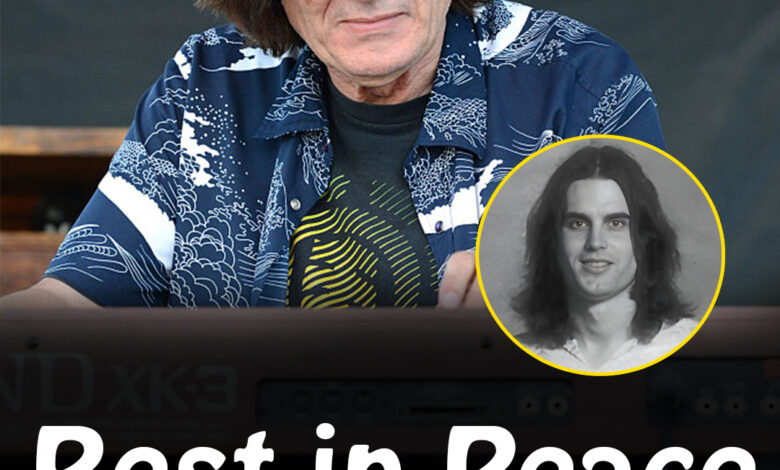
The Hammond B3 Finally Goes Silent, Why the Death of This Rock Legend Marks the End of an Era

The world of progressive rock has been plunged into a sudden, resonant silence. Christopher North, the founding keyboardist and undisputed sonic architect of the band Ambrosia, has passed away at the age of 75. To the casual listener, he was the man behind the keys, but to those who lived through the golden age of 1970s experimental rock, North was a “keyboard wizard” who didn’t just play music—he commanded the very atmosphere of the room. His death on April 2, 2026, has sent a shockwave through the industry, leaving bandmates devastated and fans worldwide mourning the loss of a man whose Hammond B3 organ was the heartbeat of a generation.

Ambrosia emerged from the fertile creative ground of Southern California in the early 1970s, a time when rock was shedding its simple blues roots and reaching for something more symphonic, complex, and profound. While many bands were content with standard three-chord progressions, Ambrosia sought to blend the technical precision of classical music with the soul of rhythm and blues. At the center of this ambitious sonic experiment stood Christopher North. He was the kind of musician you felt in your chest before his name even crossed your mind. When he sat behind his massive Hammond B3, he wasn’t just a performer; he was an alchemist, turning electricity and air into emotional landscapes that could wrap themselves around a listener and refuse to let go for decades.

North’s contribution to the band’s identity cannot be overstated. While Ambrosia is often remembered for their smooth, yacht-rock-adjacent hits like “How Much I Feel” and “Biggest Part of Me,” it was their early, progressive work that truly showcased North’s virtuosity. On their self-titled debut album and its follow-up, Somewhere I’ve Never Travelled, North’s organ work provided a roaring, weeping, and lifting foundation that set the band apart from their contemporaries. He had a unique ability to make a mechanical instrument sound human. Under his fingers, the Hammond B3 became a character of its own—one that could growl with aggressive intensity during a heavy jam or shimmer with a delicate, ethereal beauty during a ballad.

Beyond the stage lights and the thunderous applause, North was a man who lived with the same intensity he brought to his music. However, that intensity was often directed toward personal battles that the public rarely saw. He was a survivor in the truest sense of the word, having fought and won a grueling battle against throat cancer. This particular struggle was deeply poignant for a musician; throat cancer threatens the very breath and voice that connect a performer to their art. Yet, even as his physical health faced its greatest challenge, North’s spirit remained unyielding. He continued to find solace and strength in the music, proving that while the body may falter, the creative drive is often indestructible.

His bandmates, who spent decades traveling in cramped vans, sharing cheap hotel rooms, and performing on the world’s most prestigious stages, remember him as much more than a virtuoso. To them, he was a friend whose laughter could fill a room and whose dedication to the craft pushed everyone around him to be better. In the collaborative environment of a band like Ambrosia, where complex time signatures and intricate vocal harmonies were the norm, North was the glue. He possessed an intuitive understanding of space and dynamics, knowing exactly when to let the organ roar to the heavens and when to pull back and let a single, haunting note hang in the air.

The legacy of Christopher North is etched into the wax of every record he touched. His influence can be heard in the work of countless keyboardists who followed him, musicians who realized that the keys weren’t just for backing chords, but for creating a narrative. He belonged to a rare breed of instrumentalists who understood that technical skill is secondary to emotional delivery. Whether he was playing in a smoky, dimly lit club in the band’s early days or in a packed theater during their commercial peak, he treated every performance with a sacred reverence. He played as if every note might be his last, a quality that gave his music an enduring, timeless energy.

In the wake of his passing, the music community has rallied to celebrate a life lived in the service of sound. Tributes have poured in from fellow legends of the prog-rock era, all echoing a similar sentiment: North was an original. He didn’t follow trends; he set them. He didn’t just play the Hammond B3; he redefined what the instrument could do in a rock context. Today, as fans listen back to the soaring swells of “Holdin’ on to Yesterday” or the intricate textures of “Nice, Nice, Very Nice,” the loss feels particularly heavy. Those recordings are now more than just songs—they are the final, permanent echoes of a man who gave everything to his art.

The mystery of North’s final years—the quiet dignity with which he handled his recovery and the private nature of his later life—only adds to the aura of the “wizard.” He was never one to chase the hollow fame of the modern era. He was satisfied with the work, the friendship of his peers, and the profound connection he shared with his audience through the speakers. Even as the silence of his passing hits harder than any minor chord, there is a sense of completion in his journey. He survived the storms, he left his mark on the world, and he ensured that the name Christopher North would be synonymous with musical excellence for as long as people still value the sound of a roaring organ.

As we look toward the future of music, the absence of figures like North becomes increasingly apparent. We are losing the pioneers who built the foundation of modern rock, the men and women who experimented with sound when there were no roadmaps. Christopher North was a pioneer in every sense of the word. He explored the emotional depths of the keyboard, finding beauty in the distortion and grace in the volume.

The records will continue to spin, and the memories of his fire onstage will continue to tremble in the hearts of those who saw him live. Somewhere in those soaring organ swells, in the feedback and the sustain, Christopher North is still very much alive. He has transitioned from the physical stage to the eternal one, leaving behind a body of work that will continue to roar, weep, and lift audiences for generations to come. The “keyboard wizard” has laid down his wand, but the magic he created is permanent. The world is a quieter place without him, but it is infinitely richer because he was here.

Izraeli's president is confir....see more.

by


Tel Aviv on Edge, Verified Details Emerge Amid Rapidly Escalating Regional Conflict

The images and posts flooding social media can create the illusion that news is happening instantly, but when conflict escalates quickly, verifying facts becomes critical. In recent days, posts claiming immediate developments in Tel Aviv and surrounding areas have circulated widely, many citing unnamed officials or rapid “just now” updates. While these posts capture attention, it’s essential to separate viral claims from confirmed information and ongoing uncertainties. Doing so ensures accurate reporting and prevents the spread of misinformation, particularly during volatile events.

One of the central points of concern has been the Beit Shemesh incident. According to multiple credible sources, the area experienced a direct ballistic impact linked to Iranian launches. The attack, which occurred on March 1, 2026, resulted in nine confirmed fatalities and numerous injuries. Many victims were inside public shelters at the time, highlighting both the risks of attacks and the importance of civil defense infrastructure. Avshalom Peled, Deputy Commissioner and Jerusalem District Police Chief, provided detailed accounts of the sheltering procedures, emphasizing how these measures mitigated casualties despite the severity of the impact. Follow-up reports and official visits by Israeli authorities on March 2 have reinforced the verified nature of these accounts.

While some viral posts suggested that a synagogue collapsed onto a shelter beneath it, reporting from reputable outlets such as The Times of Israel indicates damage to the area, but structural conclusions remain unconfirmed. The safest summary, based on verified information, is that the strike affected a synagogue area and nearby shelter spaces, with many people inside, without asserting precise collapse details.

The broader context of this incident is a rapid escalation between Israel, the United States, and Iran. Military activity continues across the region, coupled with diplomatic maneuvers and humanitarian concerns. Israeli officials, including President Isaac Herzog, have underscored alignment with U.S. efforts to prevent Iran from advancing nuclear capabilities. Simultaneously, international humanitarian agencies and the United Nations have emphasized the importance of civilian protection, particularly for children, in areas of conflict.

Civil defense and shelter effectiveness have been a key part of the conversation. While shelters significantly reduce exposure to blasts and debris, their protective capacity depends on construction quality, location, and proximity to impacts. Officials note that no shelter can entirely eliminate risk, particularly under heavy bombardment, but their presence undeniably saves lives. Recent assessments of warning systems and interception capabilities are ongoing, aimed at reducing casualties in future incidents.

Social media continues to be a double-edged sword in this environment. Posts formatted to appear urgent often lack verification and may mix recycled content with new reports. Users are encouraged to rely on official statements from the Israeli presidency, major wire services such as Reuters, and established national outlets with on-the-ground correspondents. Named spokespeople and verifiable quotes remain the gold standard for confirming events.

In terms of reporting practices, news outlets and content creators should maintain a neutral tone, use phrasing such as “officials reported” or “according to sources,” and avoid speculative or emotionally charged language. Highlighting the role of shelters, civil defense preparedness, and ongoing verification processes helps readers understand the real risks and protective measures without sensationalism.

Verified developments from Beit Shemesh emphasize the human cost of the conflict. Nine confirmed fatalities, dozens of injuries, and widespread community disruption illustrate the severity of the situation. While uncertainty remains regarding some structural details, the consensus among major sources confirms that civilians were harmed while attempting to shelter, underscoring the unpredictable and dangerous nature of the attacks.

The rapid spread of information on social media underscores the challenge of distinguishing fact from rumor. Posts claiming “just minutes ago” updates or citing unidentified officials can amplify fear and confusion. Verification requires cross-referencing official government releases, statements from primary sources, and credible news outlets with established on-site reporting.

As the situation unfolds, public attention has rightly focused on the immediate humanitarian impact, the strategic implications of the attacks, and the broader regional tensions. The escalation between Israel and Iran, amplified by U.S. involvement, has implications not only for local populations but also for international security, diplomatic relations, and global attention.

In summary, verified reports confirm that:

  • President Isaac Herzog visited impacted sites, including Beit Shemesh, reinforcing official information and providing firsthand assessments.
  • Multiple credible outlets report nine fatalities and numerous injuries, with many victims sheltering during the attack.
  • Damage occurred in a synagogue area and connected shelter spaces, though structural collapse remains unconfirmed.
  • The Beit Shemesh incident is part of a broader Israel–U.S.–Iran escalation involving military, diplomatic, and humanitarian dimensions.

For those following updates, the guiding principles remain: prioritize verified information, understand the limits of civil defense measures, and interpret social media posts cautiously. Responsible reporting ensures public understanding of real risks, ongoing developments, and humanitarian considerations while avoiding the spread of unverified claims.

This conflict serves as a reminder that rapid, real-time updates, while compelling, must always be measured against credible evidence. The situation in Tel Aviv and Beit Shemesh illustrates how quickly circumstances can escalate, the critical role of shelters and civil defense, and the need for clear, verified information to navigate crises safely .

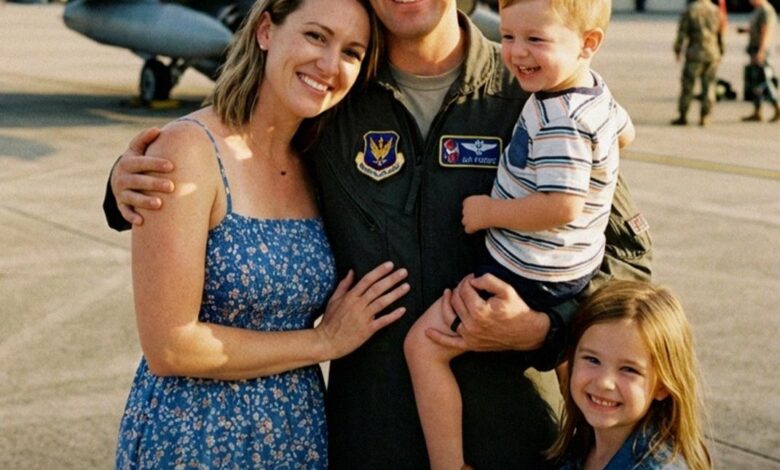
Gifts started appearing on my doorstep after my husband died — I had no idea who was leaving them until my children cried, "IT’S DADDY! He comes at night!" After my husband died, it felt like our home died with him. Noah was a military pilot, an American Air Force pilot who went on a combat mission and never came back. For our family, it was a devastating tragedy. We couldn’t come to terms with his death. And then strange gifts started appearing on our doorstep. At first, it was a bouquet of my favorite wildflowers — the exact kind Noah used to bring me for no reason at all. The next day, there was a small plush airplane for our son, Ben. Then a doll in a blue dress for our daughter, Mia. And a day later, a packet of hot cocoa appeared with a note that had no name on it: "For the bravest mom." It happened every single day. The children lit up with hope. "Mommy, it’s Daddy," Mia whispered, clutching her new toy to her chest. "I heard him outside at night," Ben said seriously. "He just can’t come inside yet." I held them close and told them Daddy would always love us, even if he couldn’t be here with us. But inside, my chest tightened because I knew that couldn’t be true. So one night, I decided not to go to bed. I turned off the lights, sat by the window, and waited. Around midnight, a shadow moved across the yard. Someone stepped carefully onto the porch, placed a small paper package by the door, and turned to disappear into the dark. I ran outside barefoot and grabbed the person by the sleeve. "WHO ARE YOU? What are you doing in my yard?" They spun around. I saw their face — and my breath caught in my throat. "You?... How is this even POSSIBLE?!" What happened next nearly made my legs give out.

by


The Invisible Hand in the Dark, Why a Fallen Pilot’s Commander Was Sneaking onto His Widows Porch at Midnight

Grief is rarely the loud, crashing wave we see in movies; more often, it is a quiet, suffocating fog that settles into the corners of a home. For Lilian, the silence following the death of her husband, Noah, was deafening. Noah had been a dedicated Air Force pilot who lived for the sky, but a combat mission gone wrong left his family grounded in a reality they weren’t prepared to face. In the wake of the tragedy, the initial flurry of support from friends and neighbors eventually faded, leaving Lilian alone with her eight-year-old son, Ben, and six-year-old daughter, Mia. She was drowning in a loss she couldn’t explain to her children, unaware that the silence of their lives was about to be broken by a series of impossible gifts.

It began months after the funeral. One morning, Lilian opened her front door to find a bouquet of wildflowers resting on the porch—the exact variety Noah used to bring home for no reason at all. There was no card, no sender, just the vibrant colors of a memory. The next day, a small plush airplane appeared, followed by a doll in a blue dress—the specific one Mia had been eyeing in stores. Then came a packet of cocoa with a note that read, “For the bravest mom.” These weren’t random acts of charity; they were surgical strikes of comfort, so personal that Lilian began to feel a creeping sense of unease.

While Mia began to believe that her father was visiting them at night, Ben became uncharacteristically serious. Lilian knew she couldn’t let the mystery continue. Driven by a mix of protective instinct and desperation, she stayed awake one night, sitting in the dark by the front window. Around midnight, a shadow detached itself from the yard. A figure stepped onto the porch, placed a package, and turned to flee. Lilian didn’t hesitate; she sprinted outside and grabbed the stranger’s sleeve. When the figure turned, her legs nearly gave out. It was Doug, Noah’s commanding officer.

The confrontation was fraught with tension. Doug, a man defined by military composure, looked exhausted and caught. He handed Lilian the final package—a weathered notebook that belonged to Noah. Doug explained that before his final mission, Noah had tucked the notebook into Doug’s luggage with a simple, haunting request: “If anything ever happens to me… check on them. Not once. Not as a duty. But properly.” Doug admitted that he had initially failed that mission. Paralyzed by his own grief and the weight of his responsibility, he had stayed away, convincing himself that Lilian had enough support. But months later, he finally opened the notebook and realized Noah hadn’t just asked for a check-in; he had left a roadmap for their care.

The notebook was filled with Noah’s intimate observations of his family’s vulnerabilities. He wrote about Mia’s fear of a quiet house, Ben’s habit of pretending to be okay, and Lilian’s tendency to carry the world on her shoulders. Armed with these insights, Doug began his nightly “missions” to deliver the specific items Noah had mentioned. He hadn’t intended to be seen, wanting the comfort to feel like a whisper from Noah himself rather than a calculated act of a commanding officer.

However, the discovery took another shocking turn when a small shadow appeared in the hallway. Ben had been watching. It was revealed that the eight-year-old had caught Doug on the very first night and, instead of telling his mother, had entered into a secret alliance with the officer. Ben had been leaving notes for Doug in a hidden tin box behind a fence panel, giving him “intel” on what the family needed: “Mia likes dolls with blue dresses,” “Mom used to drink cocoa at night,” and “Can you come later? Mom almost saw you.” Ben had carried the secret alone, terrified that if the mystery ended, the smiles on his sister’s face would vanish.

The revelation broke the cycle of secrecy. Lilian realized that while she was trying to protect her children, they were trying to protect her. The next day, they brought the truth into the light. Doug was invited for a proper visit, no longer a shadow in the night but a tangible link to the man they had lost. Mia was told the truth about the gifts, and while she was momentarily saddened that they didn’t come directly from heaven, she found peace in knowing that her father’s love was still active through his friends.

In the weeks that followed, Doug became a steady presence in their lives—not as a replacement for Noah, but as the fulfillment of a final promise. He stayed for dinners, helped Ben with school, and sat with Mia during her drawings. He helped Lilian navigate the paperwork and the emotional hurdles of widowhood, finally acting on the instructions Noah had left behind.

A month later, the family stood together at Noah’s grave. Ben spoke about his school projects, and Mia told her dad about her doll and how she wasn’t scared of the quiet anymore. When it was Lilian’s turn, she placed a bouquet of wildflowers by the stone and whispered, “We’re okay, my love.” For the first time since the crash, the words felt true. They weren’t the same family they were before, but they were steady. Noah hadn’t expected them to survive the grief alone; he had ensured that even in his absence, his hands were still reaching out through the people who respected him most. Through a commander’s guilt and a son’s bravery, a fallen pilot’s final mission was finally complete.

Top Ad 728x90