Top Ad 728x90

Friday, June 5, 2026

Check comments below 👇 👇

by


Lip Biting Body Language Meanings: What It Really Says About Attraction, Interest, and Emotions


Understanding Lip Biting: What It Really Means in Body Language

Lip biting is one of the most subtle yet emotionally charged forms of body language. It can be almost imperceptible in a crowded room, yet when noticed, it often captures attention instantly. A quick bite of the lower lip can feel intimate, intriguing, even provocative—but its meaning is far more complex than movies and social media often suggest.

In popular culture, lip biting is frequently portrayed as a universal sign of attraction or desire. A woman bites her lip while looking at someone, and the implication is immediate: romantic interest, sexual tension, or flirtation. However, real-life body language is rarely that simple. Human behavior is layered, context-dependent, and influenced by emotion, environment, and personality.

To understand what lip biting truly means, it is essential to move beyond stereotypes and examine the full range of psychological and social interpretations behind it.


The Psychology Behind Lip Biting

Lip biting is a form of self-directed physical behavior that often occurs subconsciously. From a psychological standpoint, it can fall into several categories: emotional regulation, social signaling, or habitual behavior.

The lips are highly sensitive and closely tied to emotional expression. Biting them can serve multiple purposes depending on the situation. It may help release tension, focus attention, or subtly communicate emotion without words.

Importantly, lip biting is rarely a standalone signal. Its meaning is determined by what other cues accompany it—facial expression, eye contact, posture, tone of voice, and the surrounding context all play a role.


1. Attraction or Romantic Interest

One of the most widely recognized interpretations of lip biting is attraction. When paired with other flirtatious cues, it can indicate romantic or physical interest.

In this context, lip biting is not just about the act itself—it’s about what it emphasizes. The gesture draws attention to the lips, which are already a focal point in human attraction. Lips are associated with intimacy, communication, and sensuality, making them a natural visual cue in flirtation.

Why lip biting signals attraction

From a physiological perspective, mild stimulation of the lips increases blood flow, making them appear slightly fuller and more visually prominent. Subconsciously, this can enhance perceived attractiveness.

Additionally, lip biting often occurs in situations where there is emotional arousal—whether romantic excitement or heightened awareness of another person’s presence.

Supporting signs of attraction

Lip biting alone is not enough to confirm romantic interest. It becomes more meaningful when combined with other behaviors, such as:

  • Sustained or repeated eye contact
  • Dilated pupils
  • Subtle smiling or soft facial expressions
  • Leaning in during conversation
  • Playing with hair or adjusting clothing
  • Mirroring the other person’s movements
  • Reducing physical distance

When these signals appear together, lip biting is more likely to indicate genuine attraction or emotional engagement.


2. Nervousness or Emotional Tension

Not all lip biting is romantic or intentional. In many cases, it is a self-soothing behavior linked to nervousness, anxiety, or emotional discomfort.

When a person feels uncertain or overwhelmed, the body often engages in small repetitive actions to regulate internal tension. Lip biting is one of these behaviors.

When lip biting reflects nervousness

This form of lip biting is usually quick, subtle, and less deliberate. It may occur in situations such as:

  • Meeting someone new
  • Being in a high-pressure social environment
  • Speaking in front of others
  • Experiencing emotional vulnerability
  • Feeling uncertain about how one is being perceived

Rather than signaling attraction, this version of lip biting reflects internal emotional processing.

Common accompanying cues

When lip biting is linked to nervousness, it is often paired with:

  • Avoidance of eye contact
  • Fidgeting with hands or objects
  • Slightly rigid posture
  • Nervous laughter or small, hesitant smiles
  • Blushing or flushed cheeks

In this context, the behavior is less about communication and more about self-regulation.


3. Playfulness and Flirtation

A third major interpretation of lip biting is playful flirtation. This is one of the most socially expressive forms of the gesture and is often intentional rather than subconscious.

When used in a flirtatious way, lip biting becomes a form of non-verbal teasing. It is not just about attraction—it is about interaction, tension, and engagement.

How playful lip biting appears

This version tends to be slower and more deliberate. It is often combined with:

  • A smirk or half-smile
  • Direct eye contact followed by looking away
  • Light teasing behavior
  • Confident posture
  • Relaxed body language

In this context, lip biting is used to draw attention and create emotional or romantic tension. It can be interpreted as an invitation for interaction, whether verbal or non-verbal.

However, intent matters significantly. Some individuals use this gesture naturally without conscious meaning, while others may use it strategically in social situations.


Understanding Context: The Most Important Factor

Body language experts consistently emphasize one principle: gestures must be interpreted in clusters, not isolation. A single behavior—such as lip biting—cannot reliably communicate meaning on its own.

Context includes:

  • The environment (social, professional, casual, intimate)
  • The relationship between the individuals involved
  • The emotional tone of the interaction
  • Cultural norms and personal habits

Without context, misinterpretation is highly likely.


Key Supporting Clues to Observe

To better understand whether lip biting indicates attraction, nervousness, or something else, it is helpful to observe additional behavioral signals.

Eye contact behavior

  • Sustained eye contact: often suggests confidence or attraction
  • Frequent looking away: may indicate nervousness or shyness
  • Repeated glances: can signal curiosity or interest

Body orientation

  • Facing toward someone: engagement or interest
  • Leaning away: discomfort or hesitation

Voice and speech patterns

  • Softer tone: possible attraction or vulnerability
  • Rapid speech: nervousness or excitement
  • Playful tone: flirtation or teasing

Movement patterns

  • Mirroring gestures: subconscious connection or rapport
  • Restlessness: anxiety or emotional tension

When multiple cues align, the interpretation becomes more reliable.


Subtle Variations in Lip Biting

Not all lip biting is the same. Small differences in how it is performed can change its meaning significantly.

Central lower-lip bite

Often associated with attraction, anticipation, or emotional intensity.

Side lip bite

More commonly linked to hesitation, nervousness, or uncertainty.

Light touch versus firm bite

A gentle bite may indicate flirtation or subconscious habit, while a firmer bite may reflect stress or internal conflict.


When Lip Biting Has Nothing to Do With You

It is important to recognize that lip biting is not always socially directed. In many cases, it has no communicative meaning at all.

Common non-social causes include:

  • Dry or chapped lips
  • Habitual behavior
  • Concentration or deep thinking
  • Stress unrelated to the observer
  • Physical discomfort

Misreading these situations can lead to incorrect assumptions about intent or emotion.


The Role of Media and Misconceptions

Movies and television have heavily influenced how people interpret lip biting. In many fictional portrayals, it is exaggerated as a clear and universal sign of sexual attraction.

While media simplifies behavior for storytelling purposes, real human communication is far more nuanced. What appears as a seductive gesture in fiction may, in reality, be nervousness, discomfort, or even coincidence.

This gap between fiction and reality is one of the main reasons lip biting is so often misunderstood.


Why People Misinterpret Lip Biting

Humans are naturally pattern-seeking. We attempt to assign meaning to subtle behaviors, especially in social or emotional situations. This tendency can lead to overinterpretation of small gestures.

When attraction is already on someone’s mind, neutral behaviors can easily be perceived as meaningful signals. This is known as confirmation bias—our brains interpret ambiguous actions in ways that match our expectations.

Lip biting, because of its emotional and visual impact, is particularly susceptible to this kind of misinterpretation.


Final Thoughts: Reading the Signal Correctly

Lip biting is a fascinating and emotionally layered form of body language. It can communicate attraction, nervousness, playfulness, or simply be an unconscious habit. There is no single universal meaning.

The key to understanding it lies not in the gesture itself, but in the surrounding behavior. Eye contact, posture, tone, and context all work together to reveal intent.

When a woman bites her lower lip while looking at you, it might indicate attraction—but it might also reflect anxiety, thoughtfulness, or unrelated emotion.

Ultimately, the most accurate interpretation comes from observing patterns over time rather than relying on a single moment.

Lip biting is not a code with one fixed meaning. It is a small window into a much larger emotional landscape—one that only becomes clear when you step back and see the full picture.

finding out he is … See more

by


Father takes his s0n’s life after fin

A recent family incident has started a nationwide conversation about

understanding, compassion, and the importance of unconditional love.

It highlights how crucial it is for parents to listen, support, and

stand by their children — especially when they open up about who they truly are.

Experts and advocates emphasize that acceptance at home can transform lives, helping young people grow with confidence and emotional safety.

Communities everywhere are being encouraged to foster open dialogue and create spaces where everyone feels respected for who they are.

This story serves as a gentle reminder that love should never depend on conditions or expectations.

Every child deserves to be embraced, heard, and valued for their authentic self.

on a reporter. 😮👇🏼

by


Donald Trump slams reporter for ‘havi

Trump’s words sliced through the Oval Office like a knife.

Cameras rolled as he mocked Kaitlan Collins’ face, her smile, even her eyes, instead of answering a simple question about $1.8 billion in taxpayer money.

Reporters froze. Collins didn’t flinch.

In that charged Oval Office moment, Trump tried to turn a policy question into a personal spectacle, reducing Kaitlan Collins to her looks, her expression, even her supposed “hatred.”

Yet Collins’ refusal to bite became the sharpest rebuttal. She didn’t trade insults, didn’t raise her voice, didn’t make herself the story.

She simply repeated the question: What is happening to the $1.8 billion DOJ fund?

Her calm persistence underscored what Trump was dodging — not just scrutiny, but accountability over who might benefit from a controversial program tied to January 6.

This clash was not an isolated outburst, but part of a long pattern: “smile more,” “quiet,” “piggy,” especially toward women pressing him on abuse, Epstein, or power.

Whether you admire or distrust the press, the scene laid bare a choice: leaders who answer questions, or leaders who try to break the people asking them.

These are the consequences of sleeping with your c… See more.

by


What Seems Harmless Can Leave Last

At first, it feels thrilling.

A rush, a distraction, a moment you tell yourself you “needed.”

But when the noise fades, something else begins: the questions, the silence, the ache you didn’t see coming.

The real impact of sleeping with the wrong person often appears in the quiet moments after.

When the messages slow down. When you realize you cared more than they did.

When you’re left replaying every word, wondering if you misread everything or simply ignored what you already knew.

That’s when the emptiness settles in—when you feel used, unseen, or easily replaced, even if you agreed to keep it “casual.”

Over time, these experiences can shape your standards without you noticing. You might start doubting your intuition, lowering your expectations, or confusing attention with affection.

But they can also become a turning point. When you finally say, “I deserve better than this,” you begin choosing differently—choosing people who show up, who don’t disappear, who make you feel safe in the morning after, not just wanted in the middle of the night.

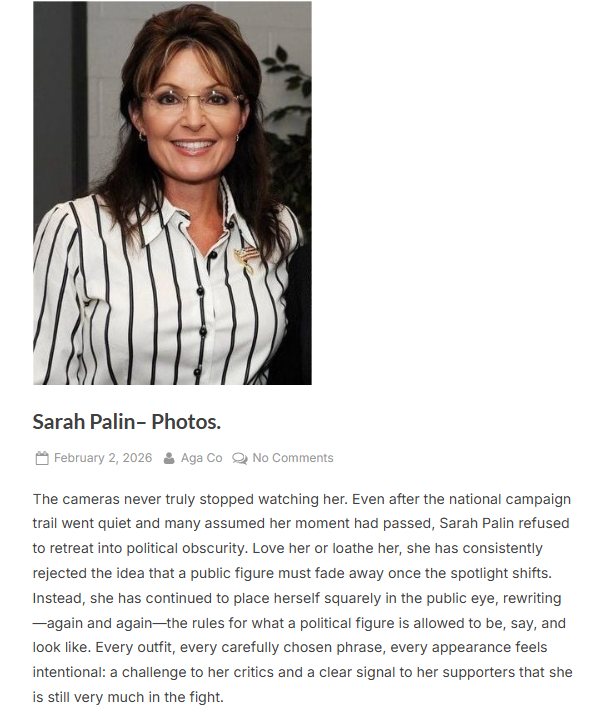
Sarah Palin In G-Strlng Photos Leave Little To Imagination..Take a look! Check the Comments!

by


Sarah Palin In G Strlng Photos Leave Little To Imagination Take a look

In today’s fast-paced world, many people associate health and fitness with intense workouts, high-impact training, and constant physical exertion. While vigorous exercise has its benefits, gentle movement plays an equally important role in supporting overall well-being. Practices such as slow walking, stretching, light yoga, tai chi, and mindful mobility are increasingly recognized for their ability to enhance circulation and promote a deep sense of calm. These forms of movement are accessible to people of all ages and fitness levels and can be especially valuable for those seeking balance, stress relief, and sustainable health.

Gentle movement refers to low-impact physical activity performed with awareness, controlled breathing, and minimal strain on the body. Unlike strenuous exercise, it does not aim to exhaust the muscles or push the cardiovascular system to its limits. Instead, it works harmoniously with the body’s natural rhythms. This approach supports circulation, soothes the nervous system, and encourages a mind–body connection that is often missing in more aggressive workout routines.

The Connection Between Movement and Circulation

Circulation is the process by which blood flows through the body, delivering oxygen and nutrients to cells while removing waste products. Healthy circulation is essential for organ function, energy levels, temperature regulation, and tissue repair. While the heart is the primary driver of blood flow, movement plays a crucial supporting role. When muscles contract and relax, they help push blood through veins and arteries, especially in the limbs.

Gentle movement stimulates this process without overwhelming the cardiovascular system. Slow, repetitive motions encourage steady blood flow, reducing the likelihood of stagnation in areas such as the legs, feet, and hands. This is particularly beneficial for individuals who spend long hours sitting or standing, as inactivity can slow circulation and contribute to discomfort, swelling, or stiffness.

Unlike high-intensity activity, which can cause temporary spikes in blood pressure and heart rate, gentle movement promotes circulation in a gradual and controlled manner. This steady stimulation allows blood vessels to remain relaxed and responsive, supporting long-term vascular health. Over time, consistent gentle activity can help maintain elasticity in blood vessels and encourage more efficient oxygen delivery throughout the body.

How Gentle Movement Enhances Lymphatic Flow

In addition to blood circulation, gentle movement supports the lymphatic system, which plays a vital role in immune function and fluid balance. The lymphatic system relies heavily on body movement to circulate lymph fluid, as it does not have a central pump like the heart. Slow stretching, light walking, and rhythmic motions help activate lymph flow, assisting the body in removing toxins and excess fluids.

When lymphatic circulation improves, people often experience reduced feelings of heaviness, improved immune resilience, and a greater sense of physical ease. Gentle movement is particularly effective because it avoids excessive muscle tension, which can restrict lymph flow. By keeping the body relaxed and mobile, these activities create an ideal environment for natural detoxification processes.

The Role of Gentle Movement in Nervous System Regulation

One of the most profound benefits of gentle movement is its effect on the nervous system. Modern lifestyles often keep the body in a constant state of alertness, driven by stress, deadlines, and digital stimulation. This activates the sympathetic nervous system, commonly known as the “fight or flight” response. While useful in short bursts, prolonged activation can lead to anxiety, fatigue, and physical tension.

Gentle movement helps shift the body into a parasympathetic state, often referred to as “rest and digest.” Slow, mindful motions combined with deep, steady breathing send calming signals to the brain. As a result, heart rate decreases, muscle tension softens, and stress hormones begin to lower. This physiological response explains why activities like gentle yoga or mindful walking often leave people feeling grounded and relaxed rather than energized to the point of restlessness.

Over time, regular engagement in gentle movement can improve the body’s ability to regulate stress. This means individuals may find it easier to return to a calm state after emotional challenges, leading to improved mental resilience and emotional balance.

Gentle Movement and Mental Calm

The calming effects of gentle movement extend beyond physical relaxation. When movements are performed slowly and with intention, they encourage present-moment awareness. This mindfulness reduces mental chatter and shifts attention away from worries about the past or future. As the mind focuses on bodily sensations, breathing, and rhythm, it naturally enters a more peaceful state.

This mental calm is particularly valuable for individuals experiencing chronic stress, sleep disturbances, or difficulty concentrating. Gentle movement can act as a form of moving meditation, offering the benefits of mindfulness without requiring long periods of stillness. For many people, this makes it easier to incorporate into daily routines and maintain consistency.

Additionally, the sense of accomplishment that comes from completing gentle activity without discomfort can improve mood and self-confidence. Unlike intense workouts, which may feel intimidating or exhausting, gentle movement is often associated with enjoyment and self-care. This positive emotional association further supports mental well-being.

Benefits for Joint Health and Mobility

Healthy circulation and calm are closely linked to joint health and mobility. Gentle movement keeps joints lubricated by encouraging the flow of synovial fluid, which reduces stiffness and supports smooth motion. This is especially important as people age or recover from periods of inactivity.

By maintaining joint mobility, gentle movement reduces discomfort and supports better posture and balance. Improved alignment and reduced muscle tension contribute to more efficient circulation, creating a beneficial cycle where movement supports circulation, and improved circulation makes movement easier and more comfortable.

Because gentle movement places minimal stress on joints, it is often recommended for individuals with sensitivity, reduced mobility, or those returning to activity after a break. Its inclusive nature makes it a sustainable option for long-term health.

The Impact on Breathing and Oxygenation

Breathing plays a central role in both circulation and calm. Gentle movement naturally encourages slower, deeper breathing patterns. As breathing becomes more efficient, oxygen intake improves, and carbon dioxide is expelled more effectively. This enhanced oxygenation supports cellular health and contributes to a sense of vitality without overstimulation.

Deep, rhythmic breathing also supports venous return, helping blood flow back to the heart. This synergy between movement and breath amplifies the circulatory benefits of gentle activity. At the same time, controlled breathing directly influences the nervous system, reinforcing feelings of relaxation and stability.

Supporting Daily Energy and Sleep Quality

Unlike intense exercise, which can sometimes disrupt sleep if performed late in the day, gentle movement tends to support healthy sleep patterns. By reducing stress and promoting relaxation, it prepares the body for rest. Improved circulation also ensures that muscles and tissues receive adequate nutrients and oxygen, supporting recovery during sleep.

During the day, gentle movement can boost energy levels by preventing stagnation and mental fatigue. Short periods of light activity help reset focus and prevent the sluggishness often associated with prolonged sitting. This balanced energy flow contributes to a calmer yet more alert state of mind.

A Sustainable Approach to Well-Being

One of the greatest strengths of gentle movement is its sustainability. Because it is low-impact and adaptable, it can be practiced consistently without burnout or injury. This consistency is key to long-term benefits for circulation and calm. Small, regular movements performed daily often have a greater cumulative effect than sporadic intense workouts.

Gentle movement also encourages a compassionate relationship with the body. Rather than pushing through discomfort, individuals learn to listen to physical cues and respond with care. This mindset fosters long-term adherence and a healthier attitude toward physical activity.

Conclusion

Gentle movement supports circulation and calm by working in harmony with the body’s natural systems. Through slow, mindful activity, it enhances blood and lymphatic flow, regulates the nervous system, and promotes mental clarity. Its calming influence helps counteract the effects of chronic stress, while its circulatory benefits support physical comfort, joint health, and overall vitality.

In a world that often prioritizes speed and intensity, gentle movement offers a powerful reminder that health does not always require force. By embracing subtle, consistent motion, individuals can cultivate a balanced state of energy and relaxation that supports both body and mind. Over time, this approach can lead to greater resilience, improved well-being, and a deeper sense of calm woven into everyday life.

$80,000 3 Bed, 3 Bath...See more

by


Classic Brick Ranch Home With Walko

Opportunity is knocking in Sunrise Estates.

This unassuming brick ranch in Columbia, Missouri hides more potential than most buyers realize at first glance.

Tucked into the welcoming Sunrise Estates neighborhood, this brick ranch offers that rare mix of solid bones and untapped possibility.

The traditional exterior sets a reassuring tone, while inside, generous living spaces wait for a modern refresh.

A cozy family room anchored by a fireplace invites gatherings, and the enclosed sun porch extends the living area into a bright, flexible retreat.

The master suite brings everyday convenience, and additional bedrooms allow room for family, guests, or a dedicated office.

Below, the finished basement opens the door to game nights, a home gym, studio, or extra storage.

An attached garage and practical outdoor space add daily ease for parking, projects, and tools.

Whether envisioned as a primary residence, income-producing rental, or thoughtful renovation project, this Columbia property gives buyers a chance to create real, lasting value on their own terms.

I had no idea...👇

by


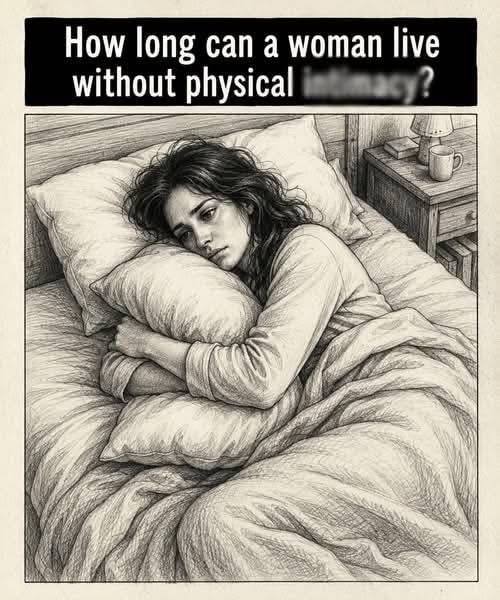
How lack of physical intimacy affect wom

The silence between two bodies can be deafening.

It starts small, almost invisible. A missed kiss. A turned back.

A hand that doesn’t reach for yours anymore. You tell yourself it’s stress, work, exhaustion.

When touch quietly disappears from a relationship, it rarely feels like “just” a missing bonus; it feels like the ground shifting under a woman’s feet.

Affection is how many women experience safety, reassurance, and the simple proof that love is still alive.

Without it, doubt begins to whisper cruel stories: that she is no longer wanted, no longer chosen, no longer seen.

Life on the surface may look perfectly functional—meals cooked, bills paid, calendars synced—while underneath, she is slowly grieving a love that still technically exists.

Yet distance doesn’t always mean love has died; often it means life has been too heavy for too long.

Stress, illness, unresolved conflict, depression, and sheer exhaustion can numb desire without erasing care. Healing begins not with blame, but with gentle truth: “I miss you.

I feel lonely next to you.” From there, repair is built in tiny gestures—sitting closer, lingering hugs, fingers intertwined again.

Touch may be simple, but it is never small; within those everyday moments, the emotional heart of a relationship quietly lives or quietly fades.

Top Ad 728x90