Monday, April 13, 2026
Dust cinnamon lightly on your lips. It works so fast it feels wrong
These aren't just for dishes. 10 genius ways to use dishwasher pods
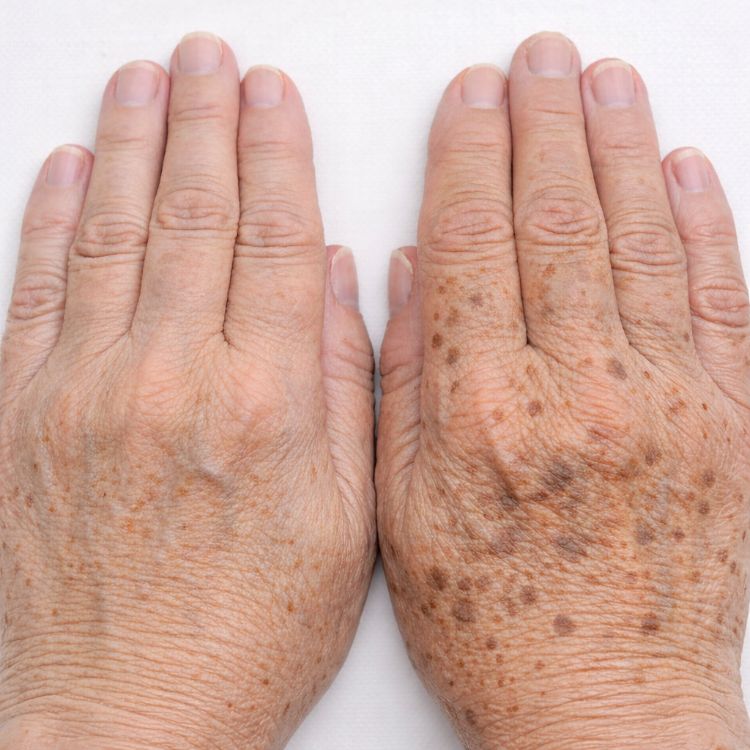
Apply this 1 solution to your hands and get rid of age spots, sun damage, and crepey skin


RemedyDaily.com does not give medical advice, diagnosis, or treatment.
A Simple Natural Method That Could Help Restore Your Nails

The Silent Issue Behind Damaged NailsYour nails can reveal more about your health than you might think.When their color or texture changes, it’s often a signal from your body.Have you noticed:A small spot that becomes persistent?Nails that grow thicker without a clear reason?One common cause is onychomycosis, a fungal condition that thrives in warm, moist environments.The challenge?It rarely disappears overnight.So what if the key isn’t aggressive treatment—but consistent care over time?What Makes This Natural Method Different?This approach—often referred to as a “Fungus Breaker” routine—is not a commercial product or secret formula.Instead, it focuses on natural, traditional ingredients, such as:Tea tree oilApple cider vinegarGarlicCoconut oilThese ingredients have been used for generations in wellness practices.For example, Luis, 49, tried this method after noticing changes in his nails. After a few weeks, he saw gradual improvement—not perfect, but encouraging.Is it enough on its own?Maybe not. But it can be a supportive addition to your overall nail care routine.9 Potential Benefits That May Surprise You1. Restoring Confidence in Your NailsIt’s not just about appearance—it’s about how you feel.Being able to show your hands or wear sandals without discomfort can make a real difference.2. A Sense of Control Over the ProcessWhen nail issues persist, it’s easy to feel frustrated.A simple daily routine can help you regain control—step by step.3. A Complement to Other TreatmentsThis method doesn’t replace medical care.But it may work alongside professional treatments, especially in early stages.4. Simple and Accessible RoutineNo expensive products.No complicated procedures.Just familiar ingredients and consistency.5. Nails May Feel Stronger Over TimeSome users report that their nails become less brittle.Not unbreakable—but more resilient.6. Hydration for Nails and Surrounding SkinCoconut oil can help moisturize dry nails and cuticles.This may improve overall texture and comfort.7. Improvement in Nail Color AppearanceYellowish tones are one of the most visible concerns.Some users notice gradual lightening over time.8. Supporting a Less Favorable Environment for FungiTea tree oil contains compounds like terpinen-4-ol, studied for potential antimicrobial effects.This may help maintain balance.9. A Cleaner, Fresher Nail FeelApple cider vinegar may help create an environment less favorable for certain microorganisms.Result? Nails may feel cleaner and fresher.How to Apply This Method at HomeIt’s simpler than it sounds.Practical options:Mix tea tree oil + apple cider vinegar + coconut oilApply with a cotton pad dailyUse garlic paste occasionallySoak nails in diluted vinegarThe key isn’t perfection—it’s consistency.Key Ingredients and Their RolesIngredient Potential Property Main FunctionTea Tree Oil Antimicrobial Supports balanceApple Cider Vinegar Acidic environment Cleansing effectGarlic Natural compounds StimulationCoconut Oil Hydration ProtectionSafe Use and RecommendationsApply 1–2 times dailyAvoid open woundsAlways test for skin sensitivity firstDry nails thoroughly after soakingIf you don’t see improvement, consult a healthcare professional.Habits That May Enhance ResultsFor better outcomes, combine this method with:Keeping nails short and cleanDrying hands and feet thoroughlyAvoiding prolonged moisture exposureWearing breathable footwearIt’s not just about treatment—it’s about the environment.Final Thoughts: Small Habits, Meaningful ChangesThis natural method doesn’t promise miracles.But it offers a simple, accessible approach that may help:Improve nail appearanceSupport a balanced environmentGradually restore confidenceAre you ready to give it a try?Share this article with someone who might be looking for a natural nail care solution.Disclaimer:This article is for informational purposes only and does not replace professional medical advice. Always consult a qualified healthcare provider for personalized guidance.
What Is the Thyroid and Why Is It So Important?The thyroid is a butterfly-shaped gland located at the front of the neck. It produces thyroid hormones (T3 and T4) that regulate essential body functions, including:Metabolic rateBody temperatureHeart rhythmEnergy productionDigestionHormonal balanceSkin and hair growthWhen the thyroid is out of balance, the entire body feels the impact.Most Common Thyroid Disorders1. HypothyroidismOccurs when the thyroid produces too few hormones.Common symptoms include:Persistent fatigueWeight gainSensitivity to coldHair thinningDry skinLow mood or depressionConstipation2. HyperthyroidismOccurs when the gland produces excessive hormones.Common symptoms include:Rapid weight lossNervousness or anxietyHeart palpitationsExcessive sweatingInsomnia3. Thyroiditis and GoiterInflammation of the thyroid, sometimes visible as swelling in the neck.Can the Thyroid Be “Healed” Naturally?It’s important to be honest and realistic:Some thyroid conditions require lifelong medical treatment.However, diet, lifestyle, and natural support strategies may help reduce symptoms, improve hormone conversion, and support treatment.The goal is not a miracle cure—but better balance and daily wellbeing.6 SIMPLE STEPS TO SUPPORT THYROID HEALTH NATURALLYStep 1: Remove Foods That Stress the ThyroidCertain foods may interfere with hormone balance or increase inflammation when consumed excessively.Reduce or avoid:Refined sugarWhite flour productsUltra-processed foodsSugary drinksExcess soyAlcoholThese foods can disrupt hormonal regulation and increase systemic inflammation.Step 2: Add Thyroid-Friendly FoodsThe thyroid depends on specific nutrients to function properly.Key nutrients:Iodine (in moderation)SeleniumZincIronB-complex vitaminsRecommended foods:EggsGarlicOnionFishNuts (especially Brazil nuts)SeedsCooked vegetablesA nutrient-dense diet creates the foundation for hormonal stability.Step 3: Support Gut HealthThere is a strong connection between the gut and the thyroid. Poor digestion and intestinal inflammation can interfere with thyroid hormone conversion.Helpful habits include:Eating whole, natural foodsIncreasing fiber intakePreventing constipationDrinking enough waterA healthy gut often supports healthier hormone activity.Step 4: Reduce Stress (Absolutely Essential)Chronic stress increases cortisol, a hormone that can block thyroid function.Simple stress-reducing practices:Walking 20–30 minutes dailyDeep breathingConsistent sleep routinesReducing mental overloadRest is not optional—it is part of healing.Step 5: Gentle Neck MassageA light massage around the neck area may help:Improve circulationRelease tensionStimulate the thyroid regionUse natural oils such as coconut or olive oil and apply gentle circular movements. Never press hard.Step 6: Natural Thyroid Support Recipe Garlic and Onion Herbal InfusionThis traditional remedy appears in many cultures due to its antioxidant and anti-inflammatory properties.Ingredients:1 red onion2 garlic cloves2 cups of waterPreparation:Peel and cut the onion into large piecesLightly crush the garlicBring water to a boilAdd onion and garlicSimmer on low heat for 10 minutesStrain and let cool slightlyHow to use:Drink 1 warm cup per dayPreferably on an empty stomach or before bedUse for 7 days, rest for 5 days, then repeat
This does not replace medication. It is supportive only.Potential Benefits of This InfusionSupports thyroid functionHelps reduce inflammationImproves circulationSupports immune healthAids digestionEncourages hormonal balanceImportant TipsNever stop thyroid medication without medical supervisionMonitor thyroid levels regularlyConsistency matters more than speedAlways listen to your bodyWho Should Be Especially Careful?Women over age 35Individuals with family history of thyroid disordersPeople with chronic fatigueThose experiencing sudden weight changesConclusionThe thyroid should never be ignored. Though small, it governs vital systems that determine how you feel every day. Supporting it through mindful nutrition, stress management, and gentle natural remedies can make a meaningful difference in overall wellbeing.Nature offers powerful tools—but true balance comes from combining knowledge, consistency, and responsible medical care.
Taking care of your thyroid means protecting your energy, metabolism, and long-term health.
10 Early Signs of Dementia You Should NEVER Ignore

Let’s talk about something tender, important, and often whispered about but rarely discussed openly: the early signs of dementia. If you’ve noticed subtle changes in yourself or someone you love—forgetting names more often, misplacing keys in unusual places, or feeling unusually confused in familiar settings—you’re not alone. And you’re right to pay attention.Here’s the truth, offered with kindness and clarity: not every forgotten word means dementia. Stress, medication side effects, sleep issues, and normal aging can all cause memory slips. But early detection matters. When changes are noticed early, there’s more time to plan, access support, explore treatments, and protect quality of life.This article isn’t meant to scare you. It’s meant to empower you with knowledge, compassion, and clear next steps. If something on this list resonates, please don’t panic. Please do reach out to a healthcare professional. You deserve answers. You deserve support. And you deserve to move forward with hope.Cultural ContextDementia has long been shrouded in silence, stigma, and fear. In many cultures, cognitive changes were dismissed as “just aging” or kept hidden to protect family reputation. Today, we’re shifting toward a more open, informed, and compassionate conversation—one that recognizes dementia as a medical condition, not a personal failing. This growing awareness empowers families to seek help earlier, advocate for better care, and support one another with dignity. Understanding the signs isn’t about labeling; it’s about loving well, regardless of what the future holds.Why This MattersEarly action opens doors: Timely evaluation can reveal treatable conditions, access to supportive therapies, and opportunities for planning.Clarity reduces fear: Knowing what’s happening—and why—replaces uncertainty with purpose.Compassion starts with understanding: Recognizing signs helps you respond with patience, not frustration.You’re not alone: Millions of families navigate similar concerns. Support, resources, and hope are available.10 Early Signs Worth Noting (With Compassion)
10 Early Signs Worth Noting (With Compassion)1. Memory Loss That Disrupts Daily LifeForgetting recently learned information, important dates, or events—and needing to ask for the same information repeatedly—is different from occasional forgetfulness. If memory lapses start interfering with work, relationships, or self-care, it’s worth mentioning to a doctor. What to watch for: Repeating questions in the same conversation; relying heavily on notes or family for tasks once handled independently.2. Difficulty Planning or Solving ProblemsStruggling to follow a familiar recipe, manage monthly bills, or concentrate on tasks that once felt routine can signal changes in executive function. This isn’t about occasional math errors—it’s about a noticeable, persistent shift.
What to watch for: Taking much longer to complete familiar tasks; avoiding activities that require step-by-step thinking.3. Confusion with Time or PlaceLosing track of dates, seasons, or the passage of time—and sometimes forgetting where they are or how they got there—can be concerning. Everyone misplaces their glasses; consistently forgetting the current year is different.
What to watch for: Getting disoriented in familiar neighborhoods; confusion about why they’re in a particular location.4. Trouble Understanding Visual Images or Spatial RelationshipsVision changes beyond typical aging—like difficulty reading, judging distance, or determining color/contrast—can affect driving, balance, or daily navigation. This is especially relevant for certain types of dementia.
What to watch for: New trouble with depth perception; frequently bumping into objects; hesitation on stairs.5. New Problems with Words in Speaking or WritingStruggling to join a conversation, stopping mid-sentence, or repeating phrases can signal language-related changes. Calling a “watch” a “hand-clock” or having trouble finding the right word for common objects may be noteworthy.
What to watch for: Increased frustration during conversations; withdrawing from social situations due to communication challenges.6. Misplacing Things and Losing the Ability to Retrace StepsPutting items in unusual places (keys in the freezer, wallet in the sugar bowl) and being unable to backtrack to find them—sometimes accusing others of stealing—can be a red flag.
What to watch for: Hiding items for “safekeeping” and forgetting; increased suspicion about missing belongings.7. Decreased or Poor JudgmentChanges in decision-making—like giving large sums to telemarketers, neglecting personal hygiene, or dressing inappropriately for the weather—may reflect shifting judgment.
What to watch for: Uncharacteristic financial choices; reduced awareness of personal safety or grooming.8. Withdrawal from Work or Social ActivitiesPulling back from hobbies, social engagements, or projects that once brought joy—sometimes because of changes they’re struggling to explain—can be an early emotional sign.
What to watch for: Canceling plans frequently; losing interest in long-time passions; avoiding group settings.9. Changes in Mood, Personality, or BehaviorBecoming unusually confused, suspicious, depressed, fearful, or anxious—especially in situations that previously felt comfortable—may reflect neurological changes.
What to watch for: Increased irritability; uncharacteristic emotional outbursts; sudden apathy.10. Difficulty Completing Familiar Tasks at Home, Work, or LeisureTrouble driving to a known location, managing a budget, or remembering rules of a favorite game can signal cognitive shifts beyond normal aging.
What to watch for: Needing step-by-step guidance for tasks once done automatically; abandoning activities mid-way due to confusion.You Must Know: Important ContextPlease hold this gently: any of these signs can have causes other than dementia. Thyroid issues, vitamin deficiencies, depression, medication interactions, infections, or sleep disorders can mimic cognitive changes. That’s precisely why professional evaluation is so important—not to label, but to understand.Early assessment offers:
Clarity about what’s happening and why
Access to treatments that may slow progression or manage symptoms
Time to plan legally, financially, and emotionally
Opportunities to join support groups or clinical trials
Peace of mind for you and your loved onesServing Suggestions: When to Reach Out to a Healthcare Professional
Schedule an appointment if you notice:Changes that persist beyond a few weeksSymptoms that interfere with daily life, work, or relationshipsMultiple signs from the list above occurring togetherConcerns expressed by multiple family members or close friends
Seek prompt evaluation if:Changes appear suddenly (could indicate stroke, infection, or other urgent issues)Safety is a concern (wandering, forgetting to turn off appliances, medication errors)Mood changes include thoughts of self-harm or severe depressionStorage Tips: Gentle Next Steps You Can Take Today
Start a simple log: Note specific examples of changes (date, situation, what happened). This helps providers see patterns.
Gather medication lists: Include prescriptions, over-the-counter drugs, and supplements. Some can affect cognition.
Invite a trusted person to appointments: A family member or friend can help remember details and provide observations.
Ask about a cognitive screening: Tools like the Mini-Cog or MoCA are quick, non-invasive starting points.
Prioritize brain-healthy habits: Quality sleep, regular movement, social connection, and managing blood pressure/diabetes support cognitive health at any age.Frequently Asked QuestionsQ: Is dementia the same as Alzheimer’s?A: No. Alzheimer’s is the most common type of dementia, but dementia is an umbrella term for symptoms affecting memory, thinking, and daily function. Other types include vascular dementia, Lewy body dementia, and frontotemporal dementia.Q: Can dementia be reversed?A: Some causes of cognitive decline (like vitamin B12 deficiency or thyroid issues) are treatable. Neurodegenerative dementias aren’t currently reversible, but early intervention can help manage symptoms and maintain quality of life longer.Q: What if it’s just normal aging?A: That’s a very real possibility! Occasional forgetfulness is normal. The key difference is impact: does it disrupt daily life? A professional evaluation brings clarity either way.Q: How do I talk to a loved one about getting checked?A: Lead with love, not fear. Try: “I’ve noticed you seem frustrated with remembering things lately. I care about you, and I’d feel better if we talked to your doctor together—just to check in.”Q: Are there ways to reduce risk?A: Research suggests heart-healthy habits support brain health too: regular exercise, balanced nutrition (like the Mediterranean diet), quality sleep, managing chronic conditions, and staying socially and mentally active.Allergy Information: A Note on Risk & Responsibility
This article is for informational purposes only and is not a substitute for professional medical advice, diagnosis, or treatment.
Always seek the guidance of your physician or other qualified health provider with any questions you may have regarding a medical condition.
Never disregard professional medical advice or delay seeking care because of something you have read here.
Individual experiences vary: Symptoms, progression, and responses to treatment differ widely. Personalized medical evaluation is essential.FinalNoticing changes in memory or thinking can feel frightening. Please hear this: you are not alone, and you are not powerless. Whether these signs lead to a diagnosis of dementia, another treatable condition, or simply reassurance that all is well—taking that first step toward evaluation is an act of courage and self-care.However this journey unfolds, you deserve compassion. You deserve support. And you deserve to live fully, with dignity and hope, at every stage.If this article brought you clarity or comfort, I’d be honored to hear from you. Drop a comment below with your story, your question, or simply a word of what you’re holding today. And if you know someone navigating these concerns, please share this with them.Sometimes the greatest gift we can offer is the quiet reminder:You are seen. You are valued. And help is available.With warmth and respect,A friend who believes in hope, honesty, and heart-centered care
Have you also developed these skin bumps on your neck?

You glance in the mirror and notice them—tiny, soft bumps along your neck, underarms, or beneath the breast line. Maybe they’ve been there awhile. Maybe they’re new. Your mind races: Is this normal? Should I be worried?Take a slow breath.In the vast majority of cases, these growths are skin tags (medically termed acrochordons)—one of the most common, harmless skin variations. They are not a sign of illness, poor hygiene, or contagion. They are simply skin doing what skin sometimes does.What Exactly Are Skin Tags?Skin tags are small, soft, flesh-colored or lightly pigmented growths that hang from the skin by a narrow stalk (called a peduncle). Typically ranging from a pinpoint to a grain of rice in size, they feel smooth and pliable—not rough like warts or raised like moles.They form where skin gently rubs against skin or clothing:→ Neck (especially where collars rest)→ Underarms→ Beneath breasts→ Groin folds→ EyelidsComposed of collagen fibers, tiny blood vessels, and skin cells, they’re essentially pockets of skin that developed in response to subtle, repeated friction. Think of them as your body’s quiet adaptation to everyday movement.Why Do They Appear?
Why Do They Appear?While anyone can develop skin tags, certain factors gently increase likelihood:• Friction: From clothing, jewelry, or natural skin folds• Hormonal shifts: Pregnancy, menopause, or hormonal therapies• Genetics: Family history plays a role• Metabolic health: More common with insulin resistance or type 2 diabetes (though not caused by these conditions)• Age: Prevalence rises after 30—over half of adults will develop at least one in their lifetimeCrucially: Skin tags are never cancerous
They are not contagious
They pose no health risk unless irritated by snaggingWhen to Gently Pause and Consult a ProfessionalWhile skin tags themselves are benign, any new or changing skin growth deserves mindful attention. Please see a dermatologist if:→ The bump bleeds, itches, or changes color rapidly→ It feels hard, irregular, or fixed to deeper tissue→ You’re uncertain of the diagnosis (moles, seborrheic keratoses, or rare conditions can resemble tags)→ Multiple new growths appear alongside unexplained fatigue or weight changesA dermatologist’s evaluation takes minutes—and brings lasting peace of mind.If Removal Feels Right for YouSkin tags require no treatment. Many live comfortably with them for decades. But if one snags on jewelry, causes self-consciousness, or simply bothers you:→ Do not cut, tie, or freeze at home. DIY methods risk infection, scarring, or incomplete removal.→ Consult a dermatologist. Safe, quick options include: • Snip excision (sterile scissors; numbing rarely needed for tiny tags) • Cauterization (gentle heat) • Cryotherapy (freezing)Most procedures take under 5 minutes. Insurance often covers removal if medically indicated (e.g., irritation).A Gentle ReminderYour skin tells the story of your life—stretch marks from growth, scars from adventures, sunspots from summers loved. Skin tags? They’re simply another chapter: neutral, common, and deeply human.They do not reflect your worth, your health journey, or your self-care. They are not a flaw to fix—but a feature to understand.If curiosity lingers, honor yourself with a visit to a dermatologist. Not out of fear, but out of kindness—to your body, and to your peace of mind.You deserve clarity. You deserve calm. And you are never alone in wondering.This article provides general dermatological information and is not medical advice. Always consult a board-certified dermatologist or healthcare provider for personal skin concerns.