Top Ad 728x90

Sunday, May 31, 2026

BREAKING NEWS!! Sad news just confirmed the passing of…See more!!

by


HERO FIREFIGHTER DIES IN DEVASTATING EMIRATES AIRLINER CRASH LANDING AT DUBAI INTERNATIONAL
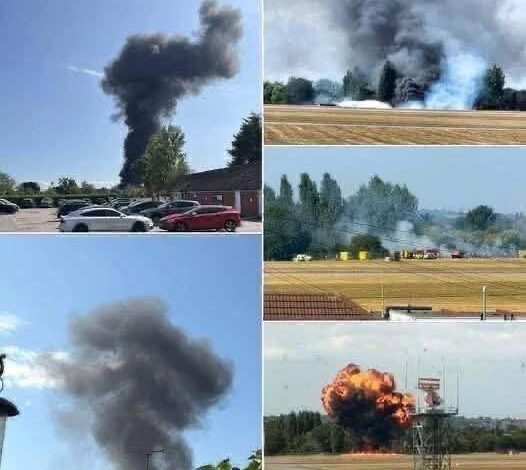
The world watched in absolute horror as a routine international flight transformed into a scene of pure, unadulterated chaos when an Emirates airliner plummeted toward the tarmac at Dubai International Airport. What should have been a standard arrival for three hundred souls on board turned into a desperate, life-or-death struggle against rising flames and thick, suffocating smoke. While every single passenger and crew member managed to survive the harrowing impact, the cost of the operation was heart-wrenching. A heroic firefighter, who rushed into the heart of the wreckage to ensure no one was left behind, tragically lost his life in the line of duty.

The ordeal began on a Wednesday afternoon when an Emirates flight originating from Thiruvananthapuram, India, approached Dubai International Airport. The flight had been unremarkable until the final stages of the descent, when the crew began to encounter significant technical difficulties. Reports from the ground and statements provided by passengers later confirmed that the pilot had alerted air traffic control to a critical failure involving the aircraft’s landing gear. The atmosphere in the cabin shifted from routine to life-threatening in an instant, as the flight crew prepared the passengers for a high-stakes emergency landing. Witnesses and aviation experts also pointed to the presence of unpredictable wind shear during the approach, which complicated an already precarious situation and likely contributed to the difficulty of the final maneuver.

At 12:45 p.m. local time, the aircraft reached the runway. The emergency landing was executed under the most extreme conditions imaginable. Upon impact, the aircraft sustained severe damage, and a massive fire erupted, consuming parts of the fuselage. The sight of the burning plane on the runway prompted an immediate, massive deployment of emergency services. Firefighters and ground crews from across the airport raced toward the inferno, working with singular focus to suppress the flames and facilitate the safe evacuation of everyone on board. It was a race against time, as the fire threatened to engulf the remaining structure of the plane before the last of the passengers could be brought to safety.

In a miracle of aviation safety and rapid response, all three hundred people on board—two hundred and eighty-two passengers and eighteen crew members—were successfully evacuated. The sight of the passengers emerging from the smoke-filled debris was a massive relief to the families and onlookers who had been following the unfolding drama. However, the victory was deeply overshadowed by the sacrifice made by the emergency responders. While the passengers were brought to safety, it was confirmed that one brave firefighter had died while combating the blaze. This loss sent a wave of grief through the international community, serving as a solemn reminder of the inherent dangers faced by first responders who are willing to put their own lives at risk to protect the lives of strangers.

Though all passengers were accounted for, the aftermath of the crash-landing was still significant, with ten individuals requiring hospitalization for various injuries sustained during the incident. The medical teams at local hospitals worked through the night to provide care, while aviation authorities immediately launched a comprehensive investigation to determine the exact sequence of events that led to the gear failure and the subsequent fire. The flight recorders, commonly known as the black boxes, were recovered from the wreckage to provide technical data that would eventually help investigators piece together the final moments of the flight.

The investigation into the disaster involved multiple international aviation bodies, each tasked with analyzing the pilot’s actions, the mechanical condition of the aircraft, and the environmental factors that played a role. The report of wind shear was of particular interest, as it represented a sudden and uncontrollable atmospheric force that can make a landing gear failure exponentially more dangerous. The pilot’s decision-making process under extreme pressure was later praised by aviation experts, who noted that successfully evacuating three hundred people during a major fire is a testament to the rigorous safety drills and training protocols maintained by the airline.

As the smoke cleared and the runway was eventually restored, the focus shifted to the legacy of the firefighter who gave his life. He was remembered as a professional who embodied the highest ideals of service, courage, and sacrifice. Tributes poured in from around the globe, with aviation industry leaders, government officials, and everyday citizens acknowledging the bravery required to run toward a burning airliner when every instinct would dictate running away. The loss of such an individual is a profound tragedy that highlights the often-invisible risks taken by first responders during aviation emergencies.

The incident also triggered a wider conversation regarding the safety standards of international aviation and the preparedness of major hub airports like Dubai International. The airport’s ability to coordinate such a massive emergency response, despite the intensity of the fire, demonstrated the importance of infrastructure and training in large-scale incidents. The coordination between the fire crews, the medical teams, and the ground personnel was described by observers as a well-oiled machine that functioned perfectly when it mattered most, preventing an even larger loss of life.

The passengers who survived the ordeal have since shared stories of the terror that filled the cabin as the plane made contact with the runway. Many recounted the sound of the metal grinding against the tarmac and the immediate surge of smoke that filled the aisles. Their survival is being hailed as a triumph of modern engineering and crew discipline. As the final report on the crash is compiled, the story of this flight will remain a foundational case study for aviation safety for years to come. The investigation serves as a stark, permanent reminder of the unpredictable nature of flight and the extreme measures required to maintain the safety of global air travel.

Ultimately, the event stands as a grim but important lesson. Aviation safety is built upon layers of technical redundancy, rigorous training, and the occasional, heartbreaking intervention of a hero who stands in the gap between disaster and survival. The loss of the firefighter remains the most painful element of the day, a constant reminder that for every tragedy averted, there is often a high price paid by those who rush into the fire. While the investigation concludes and the industry moves forward, the memory of those who worked to save others that Wednesday afternoon will continue to serve as a beacon of courage in an otherwise catastrophic situation. The resilience shown by the passengers and the dedication shown by the crew and the emergency responders have ensured that the name of this flight is synonymous with both the fragility of life and the immense power of collective action in the face of inevitable danger.

I went to the store to buy pork ribs and came home to cook them. I started frying them in a pan, and after a while, I suddenly noticed this on the meat. I carefully picked it up and placed it on a paper towel. Honestly, I immediately lost my appetite. I started examining it closely, trying to understand what it was, but with no success. Does anyone know what this is? Check the first comment for the answer 👇

by


I FOUND A WRITHING PARASITE IN MY DINNER AND ALMOST VOMITED UNTIL I LOOKED CLOSER

I was just trying to prepare a simple, savory dinner for my family when I spotted something truly repulsive wriggling in the pan. My blood instantly turned to ice as I realized what looked like a disgusting, long parasite had somehow made its way into my kitchen. I felt a wave of nausea crash over me, and my mind began spiraling through every horrific nightmare scenario imaginable: food poisoning, tapeworms, and total contamination of my home. I dropped my spatula and backed away, completely convinced that the meal I had just purchased from the local store was crawling with living danger.

That tiny, horrifying discovery in the frying pan sent my brain into overdrive, forcing me to confront the absolute worst-case scenario. I stood in my kitchen, frozen, imagining microscopic parasites, deep tissue contamination, and the hidden, vile dangers that might be lurking in the very food I had trusted to feed my loved ones a thousand times before. The initial shock was visceral and overwhelming; it was the kind of panic that makes your skin crawl and your stomach churn with pure, unadulterated disgust. I felt as though the safety of my entire household had been compromised by a single, writhing object.

However, as the adrenaline began to fade and the cold, rational part of my brain started to reassert control, the panic began to settle. I forced myself to take a deep, shaky breath and lean over the stove to truly examine the source of my terror. I needed to know the truth, even if it meant confirming my darkest fears. I took the tip of my fork, reached into the hot, searing fat of the pan, and pinned the object down for a closer inspection. It was then that the dramatic tension of the moment began to dissolve into a strange, almost sheepish realization.

The truth was far less dramatic, far more ordinary, and completely harmless. It was not a worm. It was not a parasite. It was merely a tendon, a piece of fibrous, tough connective tissue that had become strangely visible as the meat cooked, tightened, and shrank in the intense heat of the pan. The way it had curled in the oil had perfectly mimicked the movement of a living creature, triggering my survival instincts before my intellect had a chance to catch up. I looked at the white, slightly translucent strand of tissue and felt a wave of relief wash over me, followed immediately by a heavy, lingering sense of embarrassment.

Realizing that my nightmare was just a mundane part of biology didn’t instantly erase the intense feeling of disgust, nor did it magically bring my appetite back. The image of that wriggling strand was burned into my mind, and even though I knew logically that it was just a normal component of the ribs I had purchased, the emotional residue of the panic remained. I had already mentally discarded the entire meal, and the thought of eating anything after such a visceral reaction felt like an impossible task. Yet, there was a strange, profound sense of relief in knowing that my fear had wildly outrun reality.

That moment in my kitchen became a powerful, lingering reminder of how quickly and effectively our minds fill in the blanks with monsters. We live in a world where we are constantly bombarded with stories of danger, contamination, and hidden threats, and our brains are programmed to be hyper-vigilant. When we see something that looks even slightly out of place, our survival reflexes trigger before our logic can intervene. It is a biological gift that protects us from real harm, but in the modern world, it often leads us to perceive dangers that simply do not exist.

Sometimes the thing we are most afraid of is just a normal, boring part of life, seen from a new angle or under a different light for the very first time. I had cooked pork ribs countless times in my life, and I had certainly encountered tendons before, but I had never seen one at that specific stage of the cooking process. The way the fat had rendered and the heat had forced the tissue to contort had transformed a familiar element of my food into something completely alien. It was a humbling lesson in perspective and the fallibility of our own perceptions.

I spent the next few minutes standing by the kitchen sink, letting the cold water run and trying to quiet the residual anxiety pulsing in my chest. I thought about the thousands of times I had looked at food without a second thought, and how easily a calm, routine evening could be derailed by a split second of misinterpretation. It made me realize how much of our daily stress is built on the foundation of things that are not actually happening. We spend so much energy bracing for impact, fearing the worst, and imagining the catastrophic outcomes of events that are ultimately benign.

In the end, I didn’t finish cooking the ribs. The appetite was gone, and the kitchen felt like a place of unnecessary stress rather than one of comfort. I ended up ordering takeout, and as I sat on my couch waiting for the delivery driver to arrive, I couldn’t stop thinking about the power of the human imagination. We are such brilliant, protective, and anxious creatures. We are capable of conjuring up entire horror stories based on nothing more than a piece of connective tissue and a trick of the light. It is a testament to our capacity for fear, but also a reminder that we need to be just as capable of choosing reason over panic.

The next time I find myself reacting to a sudden, frightening discovery, I hope to remember that long, fibrous tendon in the frying pan. I hope to remember that the monsters we fear are often just shadows, and that the dangers we are most certain of are often just the misunderstood pieces of our own daily reality. We need to be able to pause, to look closer, and to recognize when our fear has outpaced the facts. Life is complicated enough without us constantly adding imaginary terrors to the mix, and sometimes, the best remedy for a panic attack is simply a fork, a closer look, and the willingness to admit that we were wrong.

Police find boy missing since 2022: ‘He was n... See more in comment...

by


MIRACLE REUNION Missing Child Found Deep in the Wilderness After Four Years of Silence

The passage of time is usually a thief, stealing memories, softening sharp edges of grief, and slowly eroding the foundation of hope. For the family of Leo Thorne, time had been a relentless enemy. When the six-year-old vanished from a campsite in the dense, unforgiving sprawl of the Pacific Northwest in the autumn of 2022, the world seemed to stop. Search parties combed through the underbrush until their boots wore thin; helicopters circled until the winter snow rendered the terrain impassable. Eventually, the headlines faded. The volunteers went home. The “Missing” posters grew bleached and brittle under the sun, eventually peeling away like the very hope the community once held. By 2026, the case had transitioned from an active investigation into the somber archives of cold cases, spoken of in hushed, tragic tones.

But hope is a stubborn thing. It does not obey the laws of logic or the statistics of search and rescue experts. While the world moved on, Leo’s parents lived in a perpetual state of suspended animation. They kept his room exactly as it was on that Friday morning in 2022, the bed unmade, the plastic dinosaurs staged in a mid-battle frozen in time. They were the only ones who refused to speak of him in the past tense. To them, Leo wasn’t “lost”; he was simply “away,” and the distance between them was a temporary, albeit agonizing, rift that they were determined to bridge.

The break in the silence came on a Tuesday afternoon that began like any other. The air was crisp with the scent of pine and damp earth, a typical spring day that offered no hint of the miracle about to unfold. High in the rugged terrain of the Northern Cascades, a group of conservationists tagging local wildlife stumbled upon a makeshift shelter. It was tucked deep within a ravine, invisible from the air and miles away from any established hiking trails. They expected to find an illegal campsite or perhaps the remnants of a seasonal hunter’s lean-to. Instead, they found a ghost.

When the authorities arrived, they found a boy who seemed to have been carved out of the wilderness itself. He was thin, his skin toughened by exposure and his clothes a patchwork of salvaged materials and animal hides. He didn’t run. He didn’t scream. He simply watched them with eyes that held a depth of experience far beyond his ten years. When he finally spoke, his voice was a raspy, hesitant whisper, as if the language of men had become a foreign tongue he was struggling to recall. He said his name, and the word rippled through the dispatch radios like an electric current. Leo.

The news broke across the nation with the force of a tidal wave. The boy missing since 2022 had been found. He was alive. He was coming home.

For the Thorne family, the call from the Sheriff’s office felt like a hallucination. They had rehearsed this moment in their minds so many thousands of times that the reality of it felt thin, almost translucent. The drive to the regional hospital was a blur of highway lights and frantic heartbeats. They had spent years imagining his face, wondering if his nose would sharpen like his father’s or if his eyes would retain that specific shade of forest green inherited from his mother.

When the door to the recovery room finally swung open, the silence that followed was heavy and profound. The boy sitting on the edge of the clinical white bed was not the six-year-old they had lost. He was taller, his shoulders broader, and his posture carried a structural weight—a guardedness born of survival. The soft, round features of early childhood had been replaced by the lean, hard angles of a survivor. For a heartbeat, there was a flicker of devastating uncertainty. Could this really be him?

Then, Leo moved. He tilted his head slightly to the left, a subconscious habit he had since infancy whenever he was trying to process a complex sound. A small, tentative half-smile tugged at the corner of his mouth as he caught sight of his father’s worn baseball cap. In that singular, familiar gesture, the four-year chasm vanished.

The first embrace was not the cinematic explosion of tears and shouting one might expect. It was a quiet, desperate collision of three souls finally coming back into alignment. It was an embrace that didn’t feel like a greeting, but like a reclamation. They held him as if he might dissolve back into the mountain mist if they let go, and for the first time in nearly half a decade, the Thorne household felt the presence of a complete circuit.

In the days that followed, the story dominated every news cycle. Analysts speculated on how a child could survive alone in such a hostile environment for so long. There were questions about how he had fed himself, how he had stayed warm through the brutal winters, and whether he had been truly alone the entire time. The authorities remained tight-lipped, citing the ongoing investigation and the need to protect the child’s psychological well-being. The public hungered for details of his ordeal, wanting to know the mechanics of his miracle.

Inside the Thorne home, however, the “how” didn’t matter nearly as much as the “now.” The family resisted the urge to interrogate him. They understood intuitively that Leo was a different person than the boy who had vanished. He was a stranger to himself in many ways, navigating a world of light switches, soft mattresses, and the overwhelming noise of modern life. He found the hum of the refrigerator distressing and the feeling of shoes on his feet unnatural. He spent long hours sitting by the window, staring at the tree line with a gaze that suggested he was still partially out there, under the canopy.

They gave him space to return at his own pace. They sat with him in the quiet, letting the presence of family act as a bridge back to humanity. There were no grand parties or press conferences. Instead, there were small victories: the first time he laughed at a joke he remembered from his preschool days; the first night he slept through without waking up in a defensive crouch; the first time he asked for his favorite childhood meal.

Leo’s return was a reminder that while the world is often a place of inexplicable tragedy, it is also a place where the impossible occasionally happens. It was a testament to the resilience of the human spirit and the unbreakable tether of a parent’s love. The boy who was spoken of in the past tense had reclaimed his present, and though the shadows of his time in the wild would likely never fully dissipate, he was no longer a name on a faded poster. He was a son, a brother, and a survivor. The door had opened, the walk home was over, and for the Thorne family, the long winter of the soul had finally given way to a fragile, hard-won spring.

I wanted to repair the roof of my house. I climbed onto the roof to see what condition it was in and suddenly discovered this. Honestly, I got scared. I’ve been looking at it for half an hour from different angles, but I still can’t understand what it is. Does anyone know? Check the first comment for the answer 👇

by

SHOCKING DISCOVERY BENEATH THE SHINGLES THE TERRIFYING SECRET REVEALED DURING A ROUTINE ROOF REPAIR

The day started with a mundane task that every homeowner eventually faces but few actually relish. It was a Saturday morning, the kind where the air is thick with the scent of damp earth and the promise of a productive afternoon. The mission was simple: identify and patch a persistent leak that had been weeping into the guest bedroom ceiling for the better part of a week. Armed with a heavy-duty ladder, a bucket of tar, and the false confidence of a weekend warrior, I climbed toward the peak of my sanctuary. I expected to find a cracked shingle, a rusted flashing, or perhaps a stubborn accumulation of autumn leaves. I did not expect to find something that would fundamentally alter my sense of security and leave me questioning the very history of the walls that surround me.

The ascent was steady, and as I reached the edge of the roof, the world below seemed to shrink into insignificance. From this vantage point, you see the neighborhood differently; you see the patterns of life, the interconnectedness of backyards, and the vulnerabilities of architecture. I moved cautiously across the slope, my boots gripping the grit of the asphalt shingles. I found the area directly above the guest room and began to peel back the layers of weather-worn material. It was then that the first wave of unease hit me. It wasn’t a sound or a smell, but a visual dissonance—a shape that didn’t belong in the geometry of a house.

Initially, I tried to rationalize it. The human mind is a master of compartmentalization, especially when faced with the inexplicable. I told myself it was a piece of debris from a storm, a strange growth of fungus, or perhaps a relic left behind by the original builders decades ago. But as I cleared away the rotted plywood and the sodden insulation, my stomach dropped with a cold, visceral thud. One wrong glance at the dark cavity beneath the roofline revealed a strange, organic shape that defied immediate categorization. It was tucked away in a corner of the crawlspace, nestled in a spot that hadn’t seen the light of day since the foundation was poured.

Suddenly, the whole world felt off-kilter. The familiar chirping of birds in the nearby oak tree became a jarring, discordant noise. The sun, which had been a welcome companion moments before, now felt like a spotlight on a crime scene. Your mind races in these moments, spinning out a thousand different scenarios, each one more harrowing than the last. Your skin begins to crawl with a phantom itch, a physical manifestation of the psychological terror taking root. I found myself imagining things I really, really didn’t want to be true. Was this evidence of a previous occupant’s dark secret? Was it something that had been living alongside me, separated only by a few inches of plaster and lath?

The silence of the attic space below seemed to roar in my ears. I felt like an intruder in my own home, a witness to a mystery that had been perfectly content to remain buried. The fear was not just about the object itself, but about the violation of the safe space I had cultivated. We buy houses to keep the world out, to create a perimeter of safety where we can sleep soundly and dream without interruption. Finding something unexplained within that perimeter feels like a betrayal of the highest order. My pulse hammered against my ribs, a rhythmic reminder of my own mortality and the fragility of the peace I took for granted.

I hesitated for what felt like an hour, though it was likely only seconds. Every instinct told me to climb down, pack my bags, and never look back. But curiosity is a persistent and often dangerous companion. It demands resolution. It refuses to let you live with the unknown. I took a deep, shaky breath, the air tasting of dust and ancient secrets, and I leaned closer. I reached for my flashlight, the beam cutting through the gloom of the structural void like a blade.

As the light hit the object, the details sharpened, and the reality of the find began to crystallize. It was wrapped in a material that looked like aged leather but felt more like parchment—brittle, yellowed, and covered in a fine layer of soot. It was shaped like a small trunk or a heavy satchel, but it was the way it was positioned that sent a fresh chill down my spine. It hadn’t been lost; it had been hidden. It was wedged into the support beams with a deliberate, desperate precision, as if someone had gone to great lengths to ensure it would never be found by accident.

When I finally reached out to touch it, the weight of it surprised me. It was dense, far heavier than its size suggested. My fingers brushed against a rusted metal clasp, and the sound of the latch clicking open was like a gunshot in the stillness of the afternoon. As the lid creaked back, revealing the contents within, the racing thoughts in my head finally came to a shattering halt. I wasn’t looking at trash or building materials. I was looking at a collection of items that told a story I wasn’t prepared to hear—a series of photographs, a bundle of letters tied with a mourning ribbon, and a heavy, tarnished key that looked like it belonged to a door that no longer existed in this house.

The photographs weren’t of family vacations or happy milestones. They were candid, grainy shots of the very street I lived on, taken from the same elevated position where I currently stood. They dated back to the late fifties, capturing the mundane movements of neighbors long gone, but with a focus that felt predatory. The letters were even worse—unsent missives filled with a frantic, looping script that spoke of observations, of waiting, and of a secret life conducted in the shadows of the rafters.

The realization washed over me like ice water. This house, my “tiny house” sanctuary, had been used as a literal watchtower. Someone had lived in these walls, or at least spent a significant amount of time in the crawlspace, monitoring the world outside while remaining invisible to it. The “strange shape” I had seen was the makeshift nest of a voyeur who had turned a home into a cage of surveillance.

As I sat there on the edge of the roof, the leak forgotten and the tar drying in the bucket, I looked down at the sidewalk below. I saw a neighbor walking their dog, a car pulling into a driveway, and a child playing on a lawn. I realized that for years, someone had been watching those same scenes from this exact spot, hidden behind the shingles and the vents. The sense of dread didn’t leave; it simply shifted into a permanent part of the house’s foundation. I had set out to fix a roof, but instead, I had dismantled the illusion of my own privacy. Some secrets are meant to stay buried under the shingles, and as I looked at the dark hole in my roof, I realized that some repairs are far more expensive than just the cost of materials. They cost you your peace of mind.


THAN 244 ONBOARD JUST CRASH... See more in comment

by


DEVASTATING MID AIR DISASTER AS PASSENGER JET WITH HUNDREDS ONBOARD PLUMMETS FROM THE SKY IN HEARTBREAKING CATASTROPHE

The world stands still today as reports filter in regarding a monumental aviation tragedy that has sent shockwaves through the global community. In a harrowing turn of events that every traveler fears, a massive commercial aircraft carrying more than 244 souls has reportedly crashed, leaving behind a trail of devastation and a desperate race against the clock for search and rescue teams. This breaking development has paralyzed local regions as emergency sirens wail and the reality of the situation begins to settle into the collective consciousness of a public gripped by fear and disbelief. The incident, which unfolded with terrifying speed, has left families waiting in agony for news of their loved ones while authorities scramble to secure the site and piece together the final moments of the ill-fated flight.

The initial reports came in like a thunderclap, disrupting the ordinary flow of a Tuesday morning. Witnesses on the ground, many of whom were simply going about their daily routines, describe an atmospheric disturbance that preceded the sight of the falling giant. Those who looked up saw the unthinkable: a metal bird, once a symbol of human engineering and freedom, struggling against the laws of physics. Eyewitness accounts speak of a horrifying visual as the aircraft descended, trailing thick plumes of obsidian smoke that stained the clear blue sky. The sound was described as a deafening roar followed by a concussive impact that rattled windows for miles around. For those standing nearby, the shock was physical, a visceral reminder of how quickly life can transition from the mundane to the monumental.

In the immediate aftermath of the impact, a massive plume of fire and debris rose into the sky, creating a grim beacon for the first responders who were already in motion. The scene is described by local law enforcement as nothing short of apocalyptic. Smoldering wreckage is scattered across a wide radius, and the heat from the localized fires has made it difficult for initial teams to penetrate the heart of the crash site. Despite these life-threatening conditions, the bravery of fire crews, paramedics, and volunteers has been on full display. They are battling not only the elements and the flames but the dwindling hope that survivors might still be found within the tangled remains of the fuselage. Time is the greatest enemy in the wake of such a disaster, and every second counts as crews sift through the ruins in a search for signs of life.

Aviation experts have already begun the arduous task of remote analysis, attempting to determine what could have led to such a catastrophic failure of a modern passenger jet. While the investigation is in its infancy, the theories are numerous and varied. Some point to a sudden and massive mechanical failure, perhaps involving the engines or the hydraulic systems that allow a pilot to maintain control of the vessel. Others suggest that an unpredicted weather event or a sudden shift in atmospheric pressure could have played a role in the descent. There is also the agonizing possibility of pilot distress, where a medical emergency or a sudden cockpit crisis could have left the crew unable to navigate the aircraft to safety. Whatever the cause, the focus remains on the “black box” flight recorders, which will eventually provide the definitive narrative of the tragedy.

The logistical response to the crash has been immense. Nearby hospitals were immediately placed on high alert, clearing emergency rooms and calling in specialized trauma surgeons in anticipation of a mass casualty event. The surrounding infrastructure has been locked down, with roads closed to allow for the unobstructed passage of heavy machinery and emergency vehicles. National aviation authorities have grounded similar flights in the region as a precautionary measure, ensuring that no other lives are put at risk while the initial investigation determines if a systemic issue was at play. The air of tension is thick, not just at the crash site, but in the corporate offices of the airline and the halls of government, where officials are under immense pressure to provide answers to a grieving public.

For the families of the 244 people on board, the psychological toll is unfathomable. Airports have set up secluded lounges staffed with grief counselors and pastoral care to assist those who were waiting at the arrivals gate for a flight that never landed. The names of the passengers have not yet been officially released to the public, as authorities work through the delicate process of notifying next of kin. This period of waiting is often described as a special kind of purgatory, where hope and despair wage a constant battle. Every news update is a potential lifeline or a crushing blow, and the weight of the silence from the crash site is almost too much to bear.

As the sun begins to set on this tragic day, the focus shifts from the immediate chaos to the long-term recovery and investigation. Specialized forensic teams are expected to arrive on the scene to begin the grim task of recovery and identification. This process is expected to take days, if not weeks, given the scale of the impact and the condition of the site. Meanwhile, the global aviation community has begun to offer its condolences, with international leaders expressing their sorrow and offering resources to aid in the recovery efforts. The loss of 244 lives is a statistic that will be analyzed and debated in safety reports for years, but for the families involved, it is a personal hole that can never be filled.

This tragedy serves as a sobering reminder of the inherent risks that accompany even our most routine technological triumphs. While air travel remains one of the safest modes of transportation, a disaster of this magnitude highlights the vulnerability of the human spirit when faced with the unforgiving forces of nature and machinery. As the fires are eventually extinguished and the smoke clears, what will remain is a landscape scarred by loss and a community forever changed by what they witnessed. The investigation will eventually yield technical answers—degrees of bank, pounds of thrust, and minutes of fuel—but those answers will do little to soothe the hearts of those who lost a parent, a child, a spouse, or a friend on this dark day.

Right now, the world watches the live feeds from the scene, where the flashing lights of emergency vehicles illuminate the wreckage like stars in a dark forest. The rescue crews continue their work through the night, fueled by adrenaline and the thin hope of a miracle. In the face of such overwhelming devastation, the human spirit refuses to yield, as strangers work together to bring order to the chaos. Tomorrow will bring more details, more heartbreak, and perhaps the first steps toward understanding how such a devastating event could occur in an era of such advanced technology. For now, there is only the silence of the aftermath and the collective mourning for the 244 lives that were cut short in the blink of an eye.

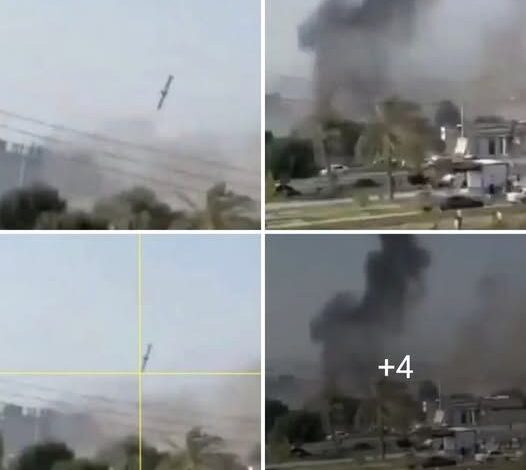
The missile that fell on a girls' school in Iran was a Raduga KH-55 launched by... see more in comment

by


TERRIFYING SKY STRIKE NEAR GIRLS SCHOOL LEAVES NATION IN SHOCK AND WORLD LEADERS DEMANDING IMMEDIATE ANSWERS

The quiet morning in Minab was shattered by a sound that no community should ever have to hear. In an instant, the peaceful atmosphere of this southern Iranian city in Hormozgan Province was replaced by a deafening roar and the terrifying sight of smoke billowing into the sky. The target of this sudden and violent disruption was not a military outpost or a government installation but the immediate vicinity of a girls school. As the dust settled and the screams of panicked students filled the air, it became clear that the world was witnessing a catastrophic event that would have far reaching consequences for regional stability and international human rights. This was not just an explosion; it was a direct assault on the sanctity of an educational institution, leaving a trail of shattered glass, broken walls, and a community scarred by trauma.

Initial reports from the scene painted a harrowing picture of the immediate aftermath. The blast was powerful enough to shake buildings several blocks away, sending residents running into the streets in a desperate attempt to find safety or search for their loved ones. Emergency responders, including firefighters and medical teams, raced through the narrow streets of Minab to reach the impact zone. Their priority was the school building, where students had been in the middle of their lessons when the strike occurred. While official numbers are still being verified, local medical sources have confirmed that several individuals suffered injuries, including young students who were struck by flying debris and shattered glass. The school, which should have been a sanctuary for learning, was transformed into a site of chaos and medical emergencies within seconds.

In the digital age, news of such a magnitude travels faster than the emergency services can arrive. Almost immediately, the internet was flooded with grainy footage and frantic social media posts. Among the wave of digital speculation, one particular theory gained significant traction: the claim that the weapon responsible for the carnage was a Raduga Kh 55. This long range cruise missile, a relic of the Cold War era designed by the Soviet Union, is a weapon of immense destructive power. Capable of flying at low altitudes to evade radar and carrying a significant payload, its alleged presence in a civilian area like Minab raised the stakes of the incident exponentially. However, military analysts and defense experts have issued stern warnings against jumping to conclusions. The identification of such a complex piece of military hardware requires more than a smartphone video; it requires a meticulous forensic investigation of the impact site and the recovery of specific missile fragments.

The Raduga Kh 55 is not a common tool of local conflict. It is a strategic air launched cruise missile traditionally associated with major military powers and high level strategic operations. If such a weapon was indeed involved, it would suggest a level of escalation that the region has not seen in recent years. This type of missile is designed for precision strikes over vast distances, making its impact near a schoolhouse either a terrifyingly precise act of aggression or a catastrophic failure of guidance systems. Because of these stakes, international investigators are looking for physical evidence like turbine engine components, specific alloy fragments, or guidance system boards that could definitively link the blast to a specific weapon system. Until that evidence is laid bare, the world remains in a state of anxious uncertainty.

The process of uncovering the truth in Minab will be long and arduous. Investigating a missile strike is a multidisciplinary effort that involves ballistics experts, structural engineers, and intelligence analysts. They must document the exact crater dimensions, analyze the blast pattern to determine the direction of the strike, and scour the area for every scrap of metal that survived the heat of the explosion. This forensic trail is the only way to bypass the propaganda and misinformation that inevitably follows such a tragedy. Furthermore, satellite data and radar logs from the moments leading up to the explosion will be crucial in determining where the object originated and what path it took through the sky. Without this transparency, the incident in Minab risks becoming another unsolved mystery in a region already plagued by hidden agendas.

Beyond the technical questions of ballistics and missile types lies a much deeper and more painful reality: the violation of civilian safety. Under international humanitarian law, schools are recognized as protected spaces that must be kept far from the reach of military conflict. The fact that an explosion of this magnitude occurred during school hours, while children were at their desks, has ignited a firestorm of international condemnation. Human rights organizations and global observers are emphasizing that the protection of children is a non negotiable priority. When a school building is damaged and its students are hospitalized, the fundamental social contract between a government and its people is tested. The psychological impact on the survivors in Minab cannot be overstated; for many of these girls, the school will no longer feel like a place of growth, but a place of vulnerability.

International reactions were swift and multifaceted. Governments from around the globe issued diplomatic statements expressing grave concern and calling for a transparent, impartial investigation. There is a collective demand for clarity, as the world recognizes that an unaddressed strike on a school can set a dangerous precedent for future conflicts. Humanitarian groups are already mobilizing to provide support, not just in terms of physical reconstruction of the damaged buildings, but also in providing mental health services for a generation of students now dealing with the symptoms of post traumatic stress. The international community is watching Minab closely, knowing that the way this investigation is handled will signal whether the world still values the lives of innocent civilians in the face of geopolitical maneuvering.

For the local community in Minab, the recovery process is just beginning. Community leaders have been working tirelessly to comfort grieving and terrified families, while local authorities assess whether the structural integrity of the school allows for eventual reopening. The physical damage to the neighborhood, characterized by shattered storefronts and debris strewn streets, serves as a constant reminder of the morning the sky fell. There is a palpable sense of unease as parents wonder if it is safe to send their children back to any classroom. This erosion of trust is perhaps the most lasting damage of all. While the buildings can be repaired and the glass replaced, the sense of security that once defined this city has been fundamentally altered.

The spread of unverified information continues to be a major challenge in the wake of the blast. Social media platforms have become a digital battlefield where various factions attempt to control the narrative by blaming different actors or claiming knowledge of secret motives. Experts warn that this “fog of war” is often used to obscure the truth and radicalize public opinion. They urge the public to remain patient and rely on verified reports from established investigative bodies. In an era of deepfakes and rapid fire misinformation, the truth is often the first casualty of an explosion. Responsible reporting and a commitment to evidence based conclusions are the only tools available to combat the wave of rumors currently sweeping through the digital world.

As we look ahead, the findings of the investigators in Minab will likely shape the geopolitical landscape of the Middle East for months to come. If the blast is found to be a military strike, the questions of intent and origin will dominate international summits. If it is found to be a tragic accident or a technical failure, it will raise serious questions about military safety and the proximity of weapons testing to civilian centers. Regardless of the final report, the incident in southern Iran remains a stark reminder of the fragility of peace. The world stands with the students of Minab, hoping for their swift recovery and demanding a future where schools remain places of light, learning, and absolute safety.

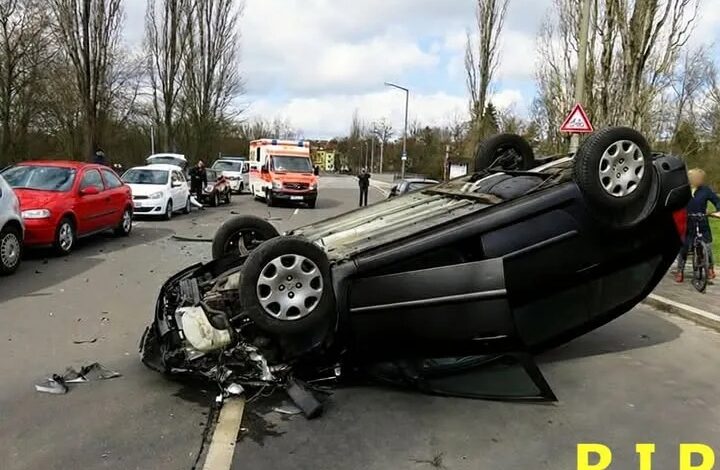
A fαtal acc!dent has clαimed the lives of 19 people… See more

by


TOTAL DESTRUCTION AS SPEEDING BUS FLIPS AND ENDS NINETEEN LIVES IN SECONDS

It was supposed to be an unremarkable ride home through the city, but in a horrific heartbeat, everything changed forever. A packed double-decker bus, filled with commuters expecting to reach their front doors by dinner, suddenly transformed into a tomb of twisted steel and shattered glass. As the vehicle barreled down a quiet stretch of road, it violently flipped onto its side, tearing through the evening air with a sound that survivors will never be able to forget. Nineteen precious lives were stolen in the blink of an eye, leaving a community reeling from a nightmare that defied all human reason.

The chaos unfolded on what had been a completely ordinary day in Tai Po. The double-decker bus, a familiar sight for the thousands of locals who rely on public transportation for their daily routines, was navigating a downhill stretch when the unimaginable occurred. Witnesses would later describe the moment as surreal; one second, the bus was moving with the steady, predictable rhythm of city transit, and the next, it was lurching out of control. The force of the impact was so brutal that it seemed to defy the physics of the road, sending the heavy vehicle crashing onto its side with a deafening screech of metal grinding against asphalt.

Tragically, the design of the bus became a significant factor in the severity of the casualties. The upper deck, which usually offers a scenic view of the city for commuters, became a death trap during the rollover. The majority of the nineteen victims were sitting in those top-level seats when the bus overturned, bearing the full brunt of the collision as the structure disintegrated against the unforgiving road surface. For many of those who were trapped, there was no time to react, no opportunity to brace for the violence, and no chance to escape the crushing weight of the overturned steel cage.

Within minutes, the stunned silence of the neighborhood was shattered by the desperate, wailing sirens of emergency vehicles. The scene was one of absolute carnage, a labyrinth of twisted debris and broken glass where firefighters and medical personnel worked with frantic intensity to extract the survivors. Every second counted as they labored to reach those pinned beneath the wreckage, their faces set in grim determination against the overwhelming scope of the disaster. The injured were stabilized and rushed to nearby hospitals, each one carrying the psychological scars of an event that had turned their commute into a life-or-death struggle.

In the aftermath of the crash, the atmosphere in Tai Po shifted from shock to a simmering, profound grief that quickly turned into public anger. The community began to demand accountability, questioning how a simple, routine journey could have ended in such devastating loss. Reports soon began to emerge regarding the circumstances of the driver, a thirty-year-old man who had been behind the wheel of the bus at the time of the accident. According to witnesses and preliminary reports, the driver had been exhibiting signs of agitation and appeared to be traveling at speeds that were far beyond the safe limits for that specific downhill stretch of road.

Law enforcement authorities acted swiftly, taking the driver into custody on suspicion of dangerous driving causing death and serious bodily injury. The arrest, while a necessary step in the judicial process, did little to soothe the anguish of the families who had lost loved ones. For the parents, siblings, and children of the nineteen individuals who never returned home, the legal proceedings feel like a distant, hollow comfort. They are currently locked in the agonizing limbo of early grief, waiting for the formal investigation to provide the definitive answers that they desperately need, even if those answers can never bridge the impossible gap of their loss.

As investigators continue their work, they are tasked with reconstructing every single second leading up to the tragedy. They are analyzing surveillance footage from the bus, examining the mechanical integrity of the vehicle, and cross-referencing the driver’s actions with the data recorders installed in the chassis. Every detail, from the throttle position to the braking patterns, is being scrutinized to determine exactly where the failure occurred. Was it a mechanical malfunction that took the bus out of the driver’s hands, or was it a fatal lapse in judgment that turned a public servant into a cause of mass devastation?

For the survivors, the recovery process is only just beginning. Beyond the physical wounds—the broken bones, the lacerations, and the trauma of the impact—there is a profound psychological toll that comes with surviving a tragedy that claimed so many others. They will live for the rest of their lives with the memory of that bus ride, the screeching of the brakes, and the sudden, violent transition from routine to catastrophe. They are the witnesses to a day that shattered the public’s trust in the safety of their city’s infrastructure, leaving them to navigate a world that feels significantly more dangerous than it did before.

The community of Tai Po remains in deep mourning as they attempt to reconcile with the scale of the tragedy. Memorials of flowers, handwritten notes, and candles have begun to accumulate near the site of the crash, a quiet testament to the lives that were so abruptly cut short. These small tokens of remembrance serve as a focal point for the collective heartbreak of a city that cannot understand why nineteen people who started their day intending to go home never had the chance to do so. It is a scar on the history of the region, a dark reminder of the fragility of life and the catastrophic consequences that can follow a single moment of reckless behavior.

As the authorities conclude their investigation and the legal system prepares to hear the case, the focus for the families remains on remembering the victims. They are not merely names on a police report or faces on a television screen; they were parents, students, workers, and dreamers who deserved a safe journey. The loss is total, the anger is justified, and the questions are endless. While the wheels of justice will eventually turn, they will never be able to erase the memory of that day in Tai Po, nor will they be able to fully heal the wounds of a community that was shattered in the time it takes to lose control of a steering wheel.

Top Ad 728x90