Cosmo’s Journey: The Day We Learned the Truth About Albinism, the Fear That Followed, and the Love That Taught Us to See Our Little Star Differently.T1385
I was the first to notice something unusual about Cosmo, though I didn’t have the words to describe it at the time. I didn’t know that the term was “albinism”; all I knew was the word “albino.” When Cosmo was born, the hospital staff couldn’t stop talking about his “blond” hair. But what struck me was that aside from myself and an African-American nurse who was present, everyone else in the room was Caucasian, and their fascination with his pale skin and hair didn’t seem entirely right to me.
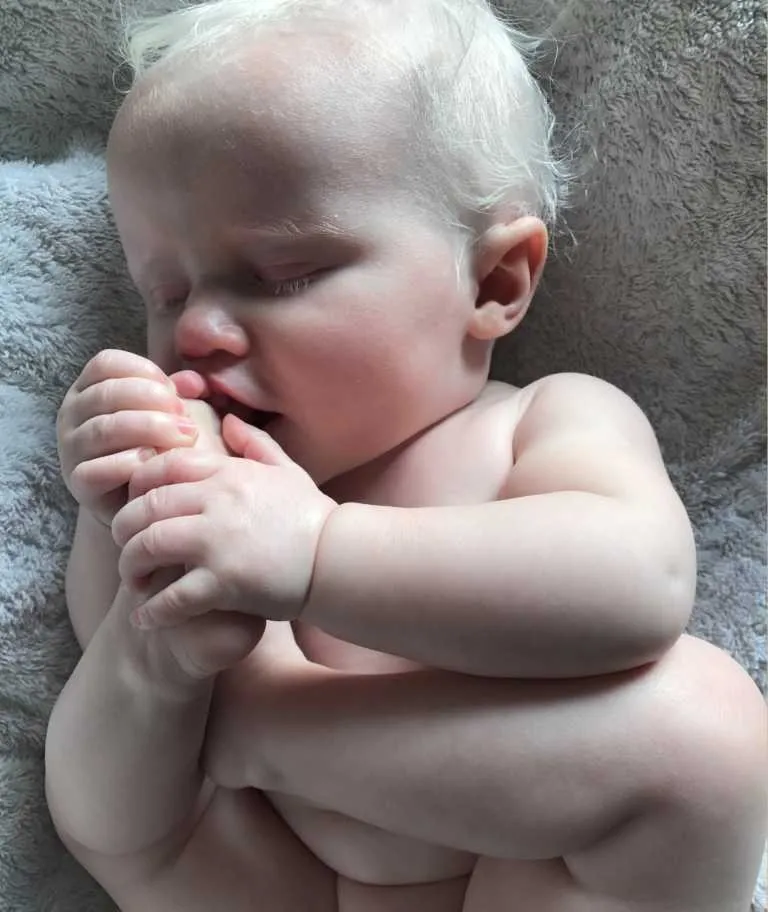
Cosmo was such a beautiful, delicate little boy, and I noticed that his eyes didn’t seem to focus the way I expected. His eyes seemed to roam, and I began to worry. My biggest fear, even though I tried to suppress it, was that something wasn’t right with his eyesight. The doctors were busy admiring his features and talking about his hair, but none of them seemed to notice what I was seeing. I held him close, kissed his soft forehead, and just tried to reassure myself that everything would be fine.
At eight weeks old, we went to see a wonderful ophthalmologist who had over 40 years of experience with children who had albinism. I felt a sense of relief just walking into his office, knowing we were finally seeing someone who truly understood what we were going through. When the doctor examined Cosmo’s eyes, he noticed the same thing I had—the wandering eye movement. I couldn’t help but ask, “Why hasn’t he made eye contact with me yet?”
The doctor smiled warmly and said, “Yes! He’s made eye contact with you; you just haven’t noticed it! And the eye movement, that’s called Nystagmus. It’s going to bother you more than it bothers him.” He went on to explain that Nystagmus was common in children with albinism, and although it might seem alarming to parents, it wasn’t usually a cause for major concern.
He further explained how albinism affects the eyesight and what potential outcomes we could expect, but there was no definitive answer yet. We agreed that we would monitor Cosmo’s progress as he grew.
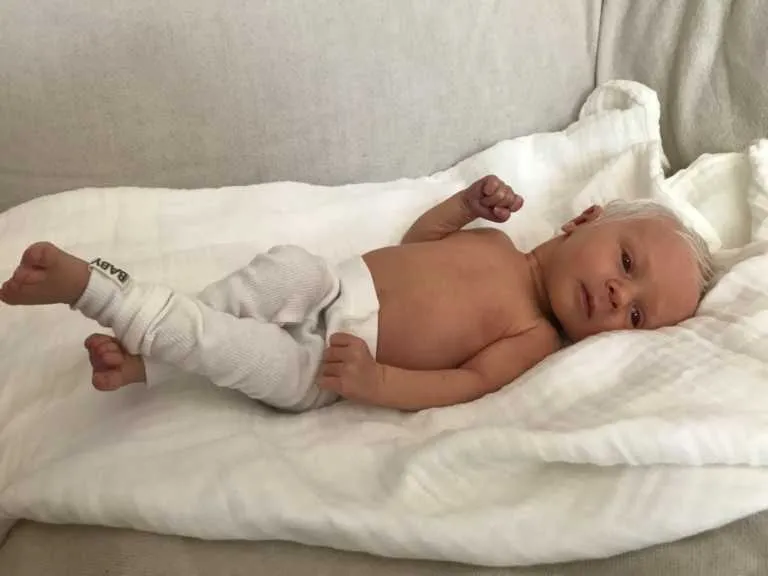
It was a relief to hear that reassurance, but at the same time, it was hard to completely let go of my worry. As a mother, I wanted the best for my child, and I wanted him to thrive in every way possible. It wasn’t until that moment, when the doctor told me not to worry so much, that I realized I was already emotionally preparing for whatever challenges lay ahead. But I also knew that whatever he had, whatever condition or diagnosis was going to define his life, I would be there for him, every step of the way.
But that feeling of “not knowing” persisted. I had thought about his albinism even before we went to the genetics center, and when I held him in my arms for the first time, I paused for a few seconds, simply to look at him, to feel the warmth of his tiny body against mine. I listened to his cries, which sounded so strong and alive. I felt an intense wave of gratitude sweep over me—thankful that he was here, that he was mine, and that I had the chance to be his mother.
For a moment, my thoughts went back to the delivery room, where everything had been chaotic. I remembered the doctors and nurses rushing around, the concern on their faces as they worked on him immediately after birth. I couldn’t help but replay the memory of him not crying right away and the fear I had felt as the medical team scrambled with equipment. But now, as I held him and heard his cry, it was the most beautiful sound in the world. He was thriving, and for that, I was forever grateful.
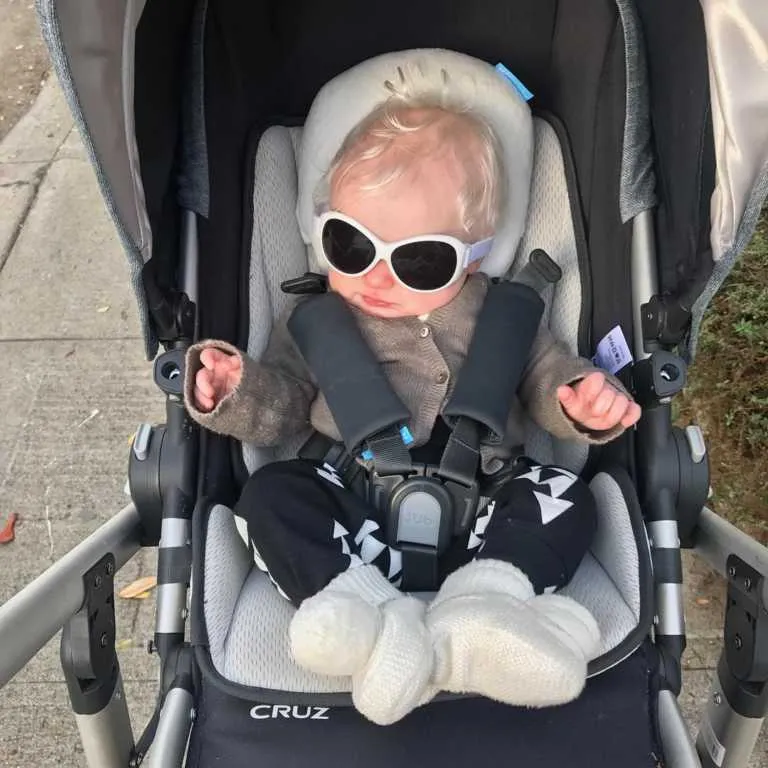
Twenty minutes later, I was semi-certain that Cosmo might be albino, but I was hesitant to say anything. I didn’t know how to bring it up, and I wondered if anyone had noticed yet. I couldn’t shake the feeling that something was different, and I didn’t want to feel isolated or wrong about my instinct. Finally, I asked the question that had been lingering in my mind: “Does anyone think he might be albino?”
The response from the nurses and doctors was almost a collective pause. They all exchanged glances before answering. Most of them seemed uncertain. After all, albinism is so rare—about 1 in 17,000 people are affected by it—so it was possible that they had never seen a baby with albinism before. But then, one of the nurses, who was African-American, smiled and nodded. “Yes,” she said, “I think you’re right.” Her affirmation filled me with a sense of comfort, knowing that someone else could see it too.
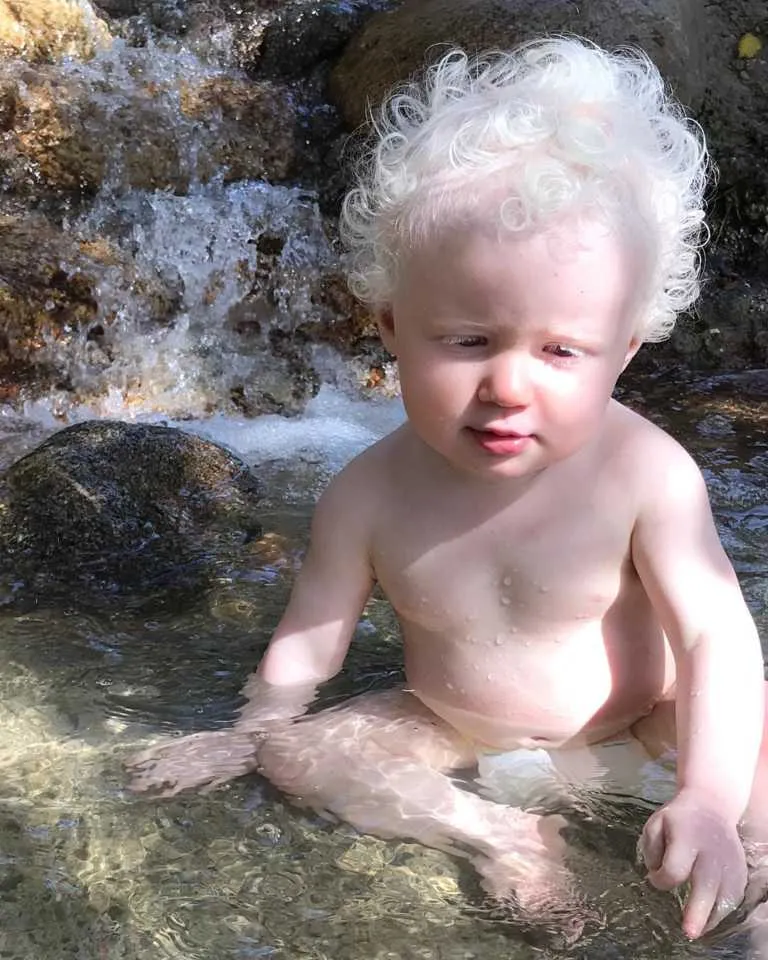
We still had to wait until Cosmo’s jaundice cleared up, and in the meantime, he became the star of the ward. The nurses, who had been running around on their rounds, would often stop by our room under the guise of needing to check on something, but we knew the truth. They were captivated by Cosmo. His pale skin, his bright eyes, and his gentle nature had won them all over. It was as if he was meant to shine in the way only he could—radiating warmth and joy, even in the face of uncertainty.
Cosmo’s journey was only beginning, but already, I knew he was destined for greatness. There would be challenges ahead as we navigated life with albinism, but there would also be immense love, strength, and acceptance. In those early days, as I watched him grow and saw the way people gravitated toward him, I knew one thing for sure: nothing could dim his light. He was a special child, and he was mine. Together, we would face whatever came next.
Eliana Rose’s Journey: A Valentine’s Day Spent Fighting for Her Life, a Family Holding Its Breath, and the Miracle That Refused to Let Love Lose.T1386
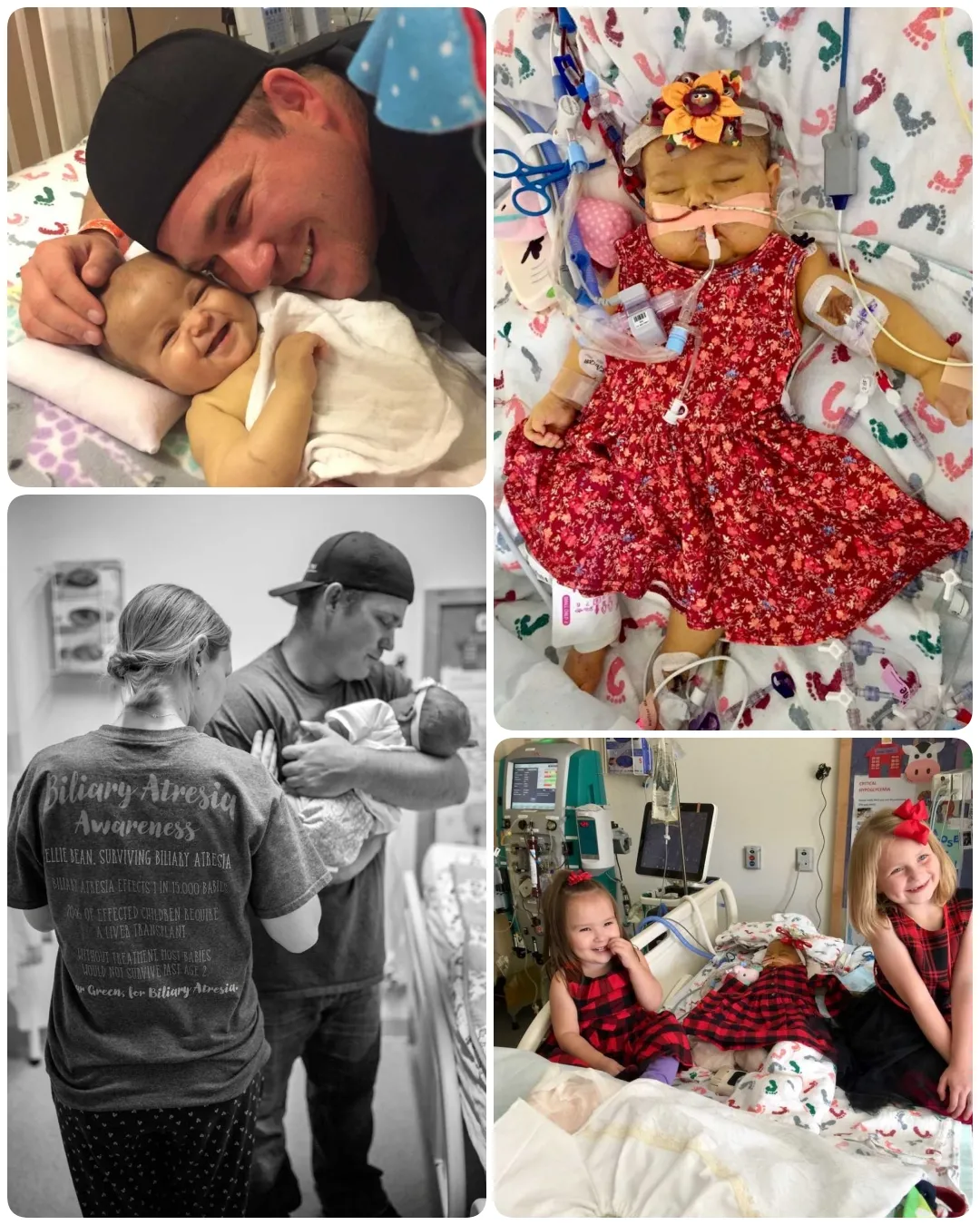
Eliana Rose’s story began on Valentine’s Day 2018, a day that should have been filled with chocolates and roses but instead became a testament to the strength and love a mother and father could give their child. From the moment she was born, we knew she was something extraordinary. But little did we know that the journey ahead would be filled with heartache, uncertainty, and unimaginable strength, both for her and for us.
During my early pregnancy, things didn’t look promising. We were told that Eliana’s heart rate was very weak, and the doctors warned us that a miscarriage was likely imminent. It felt like the world had come crashing down on us, and I struggled to accept the possibility of losing her before even meeting her.
But as the weeks passed, we received a glimmer of hope. At our follow-up checkup, we were relieved to hear that her heart rate had normalized, and she was growing strong. It was a moment of pure joy, and it felt like the universe was on our side.
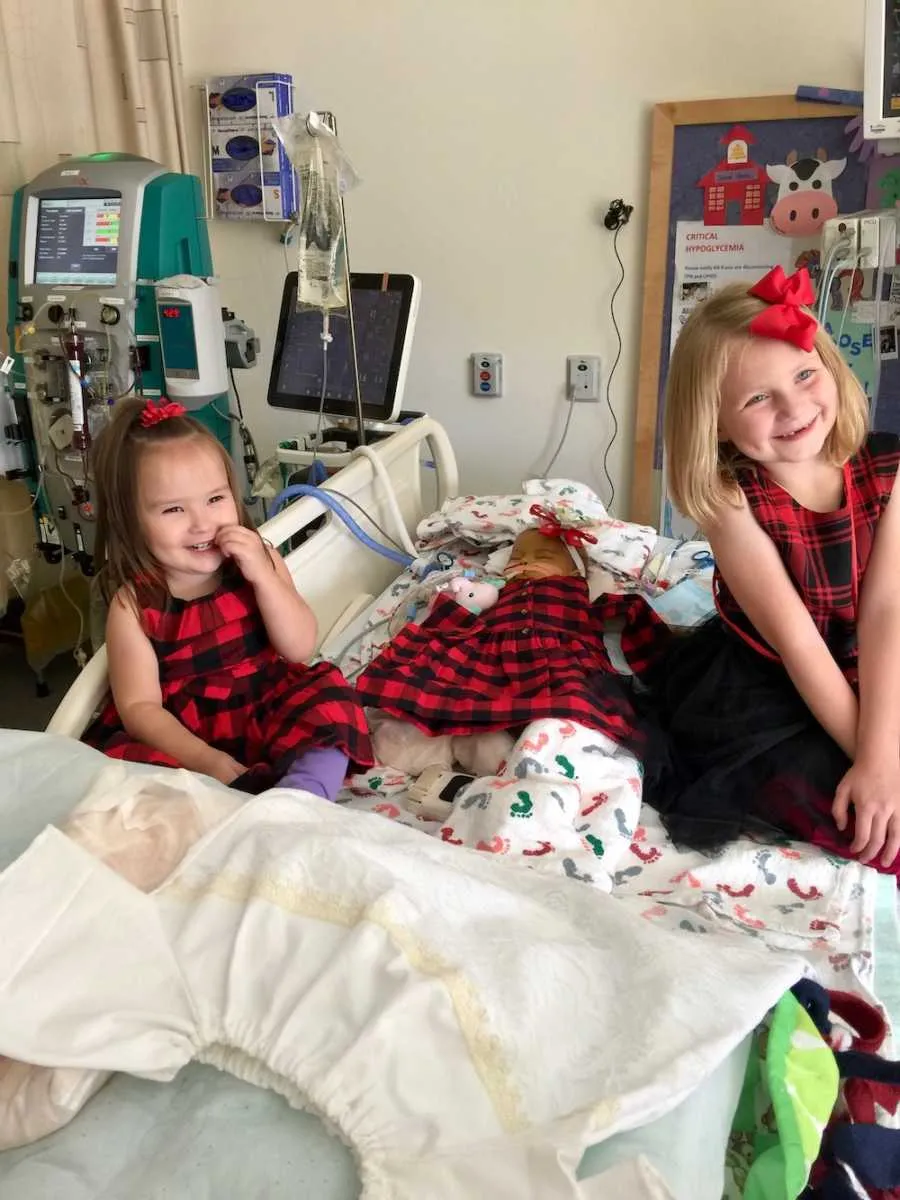
By the time Valentine’s Day arrived, I wasn’t enjoying a romantic dinner or exchanging flowers; I was giving birth to the most beautiful little girl we had ever seen. Eliana was calm, quiet, and incredibly peaceful. Her soft cry was music to our ears as she began nursing right away, a moment that melted our hearts. My husband, Christopher, and I were absolutely smitten. We couldn’t believe she was finally here, safe and sound.
But there were some signs early on that didn’t sit right with us. Eliana’s skin appeared very yellow, and she began having pale stools. The pediatrician reassured us that her indirect bilirubin levels were fine, and we were told not to worry. But as the weeks went by, my motherly instincts told me something wasn’t right. By 7 weeks old, we decided to have her evaluated again, just to be sure.
During a visit to her pediatrician, we were informed that Eliana’s spleen felt a little enlarged. This prompted a referral to Children’s Hospital Colorado, where we were told they would do an ultrasound to better understand what was going on. The results were troubling. The ultrasound showed that not only was her spleen enlarged, but her liver was as well, and most concerning of all, there was no sign of a gallbladder. The doctors explained that this raised several red flags, and they immediately began testing to figure out what was going on.
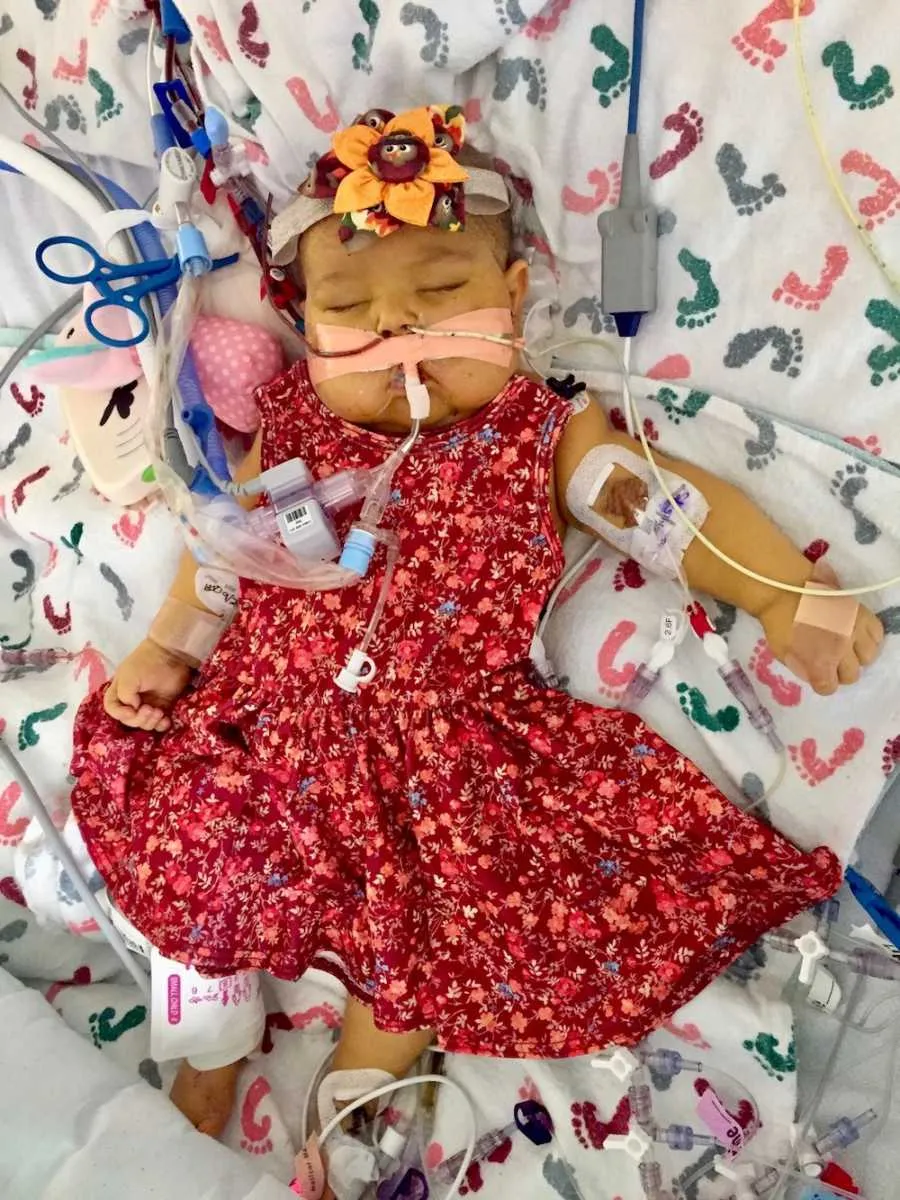
At 7 weeks old, Eliana had her first procedure: a liver biopsy. I remember sitting in the hospital, waiting for the results, unsure of what would come next. When the doctors finally sat down with us to discuss the findings, they suspected that Eliana had a rare liver disease known as Biliary Atresia. It was a condition that affected 1 in every 15,000 to 20,000 children in the United States, and the news hit us hard.
We were still trying to digest the idea of her being born with a nonfunctioning biliary system—something that should have been there but wasn’t. The doctors assured us that they would do everything they could to help her, and we clung to that hope.
At 8 weeks old, Eliana underwent her first major surgery, called a Kasai procedure. The goal of the surgery was to remove her nonfunctioning gallbladder and try to use a portion of her small intestine to create a makeshift biliary system. The hope was that this would allow bile to leave her body, preventing further damage to her liver from bile buildup. The procedure was successful in about 1 out of 3 cases, and we prayed with everything we had that Eliana would be one of the lucky ones.
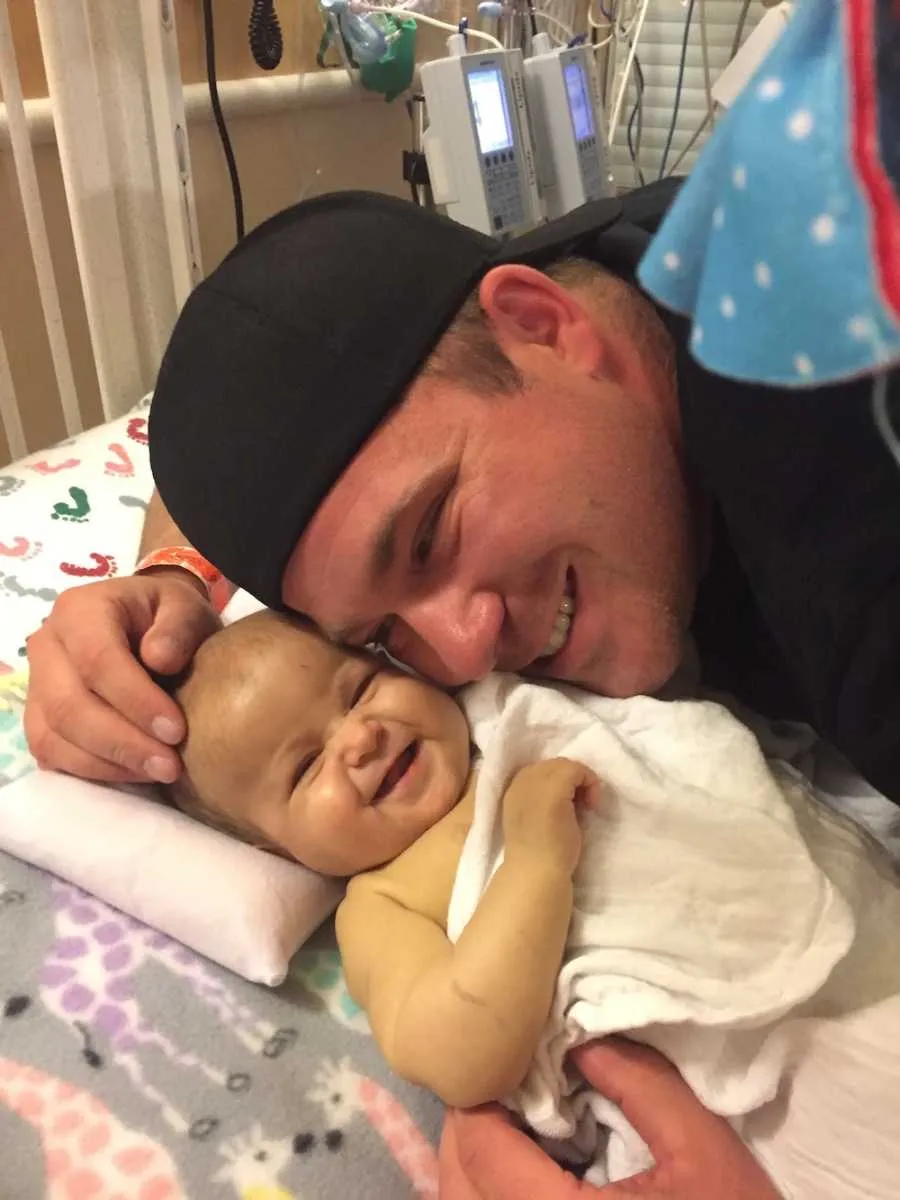
Thankfully, Eliana healed quickly from the surgery and was doing well enough to come home. But our journey was far from over. She had to start NG tube feedings with a special formula called Pregestimil, which was designed to help children with malabsorption problems—a common issue for children with Biliary Atresia. Although it was hard to watch her rely on a feeding tube, we were grateful to have her home, and we did everything we could to make her feel loved and supported.
By the time Eliana was 5 months old, it became clear that her Kasai procedure had failed. Her liver wasn’t functioning as it should, and she was now facing the prospect of a liver transplant. My husband and I went through the emotional process of meeting with specialists, testing for a donor, and preparing for what was to come.
It was incredibly overwhelming, but we knew that this was the next step for Eliana to survive. Her liver specialist told us, “I don’t think Eliana will need to be hospitalized until the transplant,” and that hit us like a ton of bricks. The thought of our baby girl needing a liver transplant was overwhelming, and we couldn’t shake the fear that she might not make it.
To add to the stress, a new issue was discovered during this time. Eliana had a heart defect called Coarctation of the Aorta, a narrowing of the major artery leading from her heart. This was another hurdle we had to face, and at just 5 months old, Eliana underwent her second major surgery to repair her heart. It felt like the world was stacking obstacle after obstacle in front of her, but she continued to fight with everything she had.
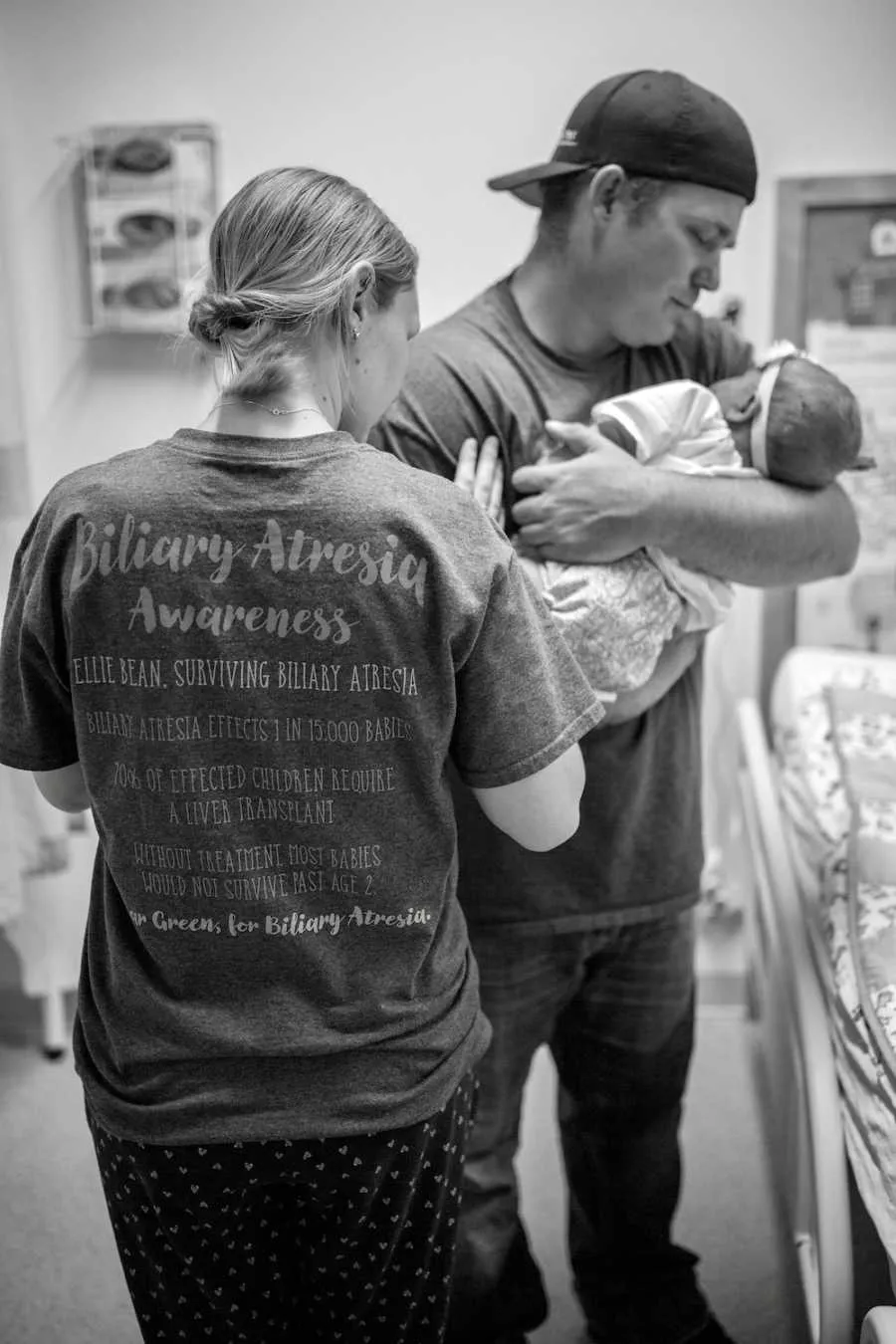
Throughout this entire process, Christopher and I found ourselves constantly being tested—not just physically, but emotionally and mentally. Each day brought a new challenge, and each new medical setback felt like another mountain to climb. But through it all, there was one thing that kept us going: Eliana’s incredible strength.
She was so small, so fragile, and yet she never stopped fighting. There were days when it seemed like she couldn’t go on, but then we would see a glimmer of hope—her smile, her tiny hand reaching out for us, her big eyes staring at us with the kind of trust that only a child can give.
Eliana’s journey was one we never expected, but it has been a testament to the resilience of children, the love of parents, and the incredible strength of the human spirit. She has faced challenges that no one should ever have to endure, but through every surgery, every setback, and every tear, Eliana has proven to be a true fighter. And as her parents, we will continue to fight for her, to support her, and to love her with everything we have, every step of the way.


0 comments:
Post a Comment