Rosemary: A Gentle Ally for Seniors and Its Everyday Health Benefits
.
🌿💜 Rosemary — Nature's Gentlest Companion for Graceful, Vibrant Aging
Some of the most profound gifts in life come in the simplest forms. A fragrant sprig tucked into a roasting pan. The steam curling up from a warm cup of herbal tea. The scent that drifts through an open kitchen window and instantly transports you back to a beloved memory. These are the quiet gifts of rosemary — an herb so ordinary in appearance, so extraordinary in effect, that generations across thousands of years have returned to it again and again for nourishment, healing, and comfort. 🌱✨
For older adults especially, rosemary offers something that no pharmaceutical can truly replicate: a sensory, emotional, and physical experience of wellness that is gentle, natural, accessible, and deeply human. This is the complete guide to understanding why.
🏛️ An Ancient Herb With a Story Worth Knowing
Long before rosemary appeared in cookbooks, it appeared in history books. The civilizations that gave us philosophy, democracy, and the foundations of Western thought — ancient Greece and Rome — understood that this fragrant, silver-green herb was something special.
In ancient Greece, students wove rosemary garlands into their hair before examinations, trusting the plant's aromatic properties to sharpen their recall and focus. Roman physicians incorporated it into preparations for everything from digestive ailments to fatigue. In medieval Europe, rosemary was placed at bedsides, tucked into wedding bouquets, and laid across the graves of the departed — a symbol of memory, loyalty, and the continuity of life.
The Latin name Rosmarinus translates poetically as "dew of the sea" — a nod to its Mediterranean origins, where it grows wild on rocky coastlines, drenched in salt air and sunshine. That same resilience, that ability to thrive in demanding conditions and keep giving, is perhaps what makes rosemary such a fitting companion for the journey of aging.
🌊 An herb that has weathered centuries of human history, rosemary arrives at your table not as a trend — but as a trusted, time-tested friend.
🧠 Rosemary & the Aging Mind — A Relationship Worth Nurturing
Of all rosemary's celebrated properties, its connection to cognitive health and mental clarity is perhaps the one that resonates most deeply — and most personally — with older adults.
🔬 The Science of Rosemary and the Brain
Rosemary contains a fascinating array of bioactive compounds that researchers have been studying for their potential effects on neurological health:
| 🧪 Compound | Potential Cognitive Effect |
|---|---|
| 1,8-Cineole | May support acetylcholine levels — the neurotransmitter central to memory and learning |
| Rosmarinic Acid | Antioxidant that may protect neural tissue from oxidative damage |
| Carnosic Acid | May help protect the brain from free radical damage |
| Flavonoids | Support circulation — including blood flow to the brain |
Research in this area remains ongoing and evolving — and it's important to note that rosemary is not a treatment for neurological conditions. But the preliminary science, combined with centuries of traditional knowledge, paints a genuinely intriguing picture.
👃 The Remarkable Power of Scent
Perhaps the most accessible and immediately noticeable cognitive effect of rosemary comes not from ingesting it — but simply from smelling it.
The olfactory system — your sense of smell — has a direct neural pathway to the hippocampus and amygdala, the brain regions most associated with memory formation and emotional response. This is why a familiar scent can trigger a vivid, emotionally rich memory in seconds. It's also why aromatherapy with rosemary has attracted serious scientific interest.
Even something as simple as:
- 🌿 Keeping a living rosemary plant on a sunny windowsill
- ☕ Brewing a cup of rosemary tea and inhaling the steam
- 💆 Rubbing a fresh sprig between your fingers while cooking
...can trigger a measurable shift in alertness, focus, and sense of mental presence — making these small acts genuinely meaningful daily rituals for older adults seeking to maintain cognitive engagement.
💛 Rosemary & Emotional Wellness — The Comfort That Lives in an Aroma
Aging is a journey of profound richness — but it also carries its own emotional weight. The losses that accumulate with time. The days when energy runs low and emotional heaviness settles in. The need for small, reliable sources of comfort and continuity that anchor you in the present while honoring the past.
Rosemary speaks to all of this in ways that few other herbs can match.
🏡 The Scent of Home
There is a reason certain aromas feel like coming home. For many people, particularly those of a certain generation, the smell of rosemary is inseparably woven into the memory of family kitchens, Sunday dinners, and beloved gatherings around a shared table. Activating that scent — through cooking, through tea, through a living plant on the windowsill — is an act of emotional reconnection that goes far deeper than simple aromatherapy.
It is a way of saying: those moments mattered. They are still with me. They still nourish me.
🧘 Rosemary as a Mindfulness Anchor
In a world that increasingly demands speed, multitasking, and constant stimulation, rosemary invites you to slow down. The act of engaging with this herb mindfully — steeping tea deliberately, crushing fresh leaves between your fingers, inhaling deeply before adding a sprig to a pot of soup — creates natural pauses in the day that gently redirect attention to the present moment.
These aren't grand gestures. They're small, accessible, repeatable moments of calm — and research consistently shows that these micro-moments of mindfulness, practiced regularly, compound into significant improvements in overall sense of well-being and emotional resilience.
The emotional benefits of regular rosemary engagement may include:
- 😌 Reduced sense of mental fatigue and overwhelm
- 💛 Elevated mood through positive sensory association and memory activation
- 🧘 Greater present-moment awareness through mindful preparation and use
- 🏡 A sense of continuity and connection — to personal history, to family, to nature
- 🌿 Reduced feelings of isolation — tending a living plant creates a caring relationship that is genuinely nourishing
💪 Rosemary & Physical Comfort — Gentle Support for the Body
Beyond the mind and emotions, rosemary offers meaningful physical support — particularly for the specific challenges that often accompany the aging body.
🔥 Anti-Inflammatory Properties
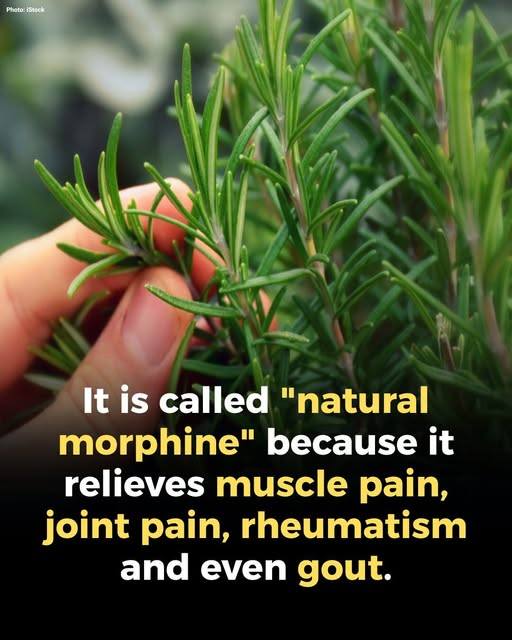
Rosemary's key compounds — particularly rosmarinic acid, carnosol, and ursolic acid — have documented anti-inflammatory properties. While rosemary is not a pharmaceutical treatment, its traditional reputation as a natural ally for:
- 🦴 Joint stiffness and discomfort
- 💪 Muscle tension and soreness
- 🫀 Circulation and physical warmth
...is supported by both centuries of traditional use and a growing body of preliminary research.
🛁 Physical Comfort Through Topical Use
When applied topically through diluted essential oil or herbal-infused preparations, rosemary's warming properties can be particularly comforting for older adults who:
- Spend extended time indoors in cool conditions
- Experience muscle stiffness from reduced activity
- Seek natural, gentle support for physical tension
The warmth generated by rosemary-infused massage oil or bath preparations isn't merely physical — it has a deeply calming effect on the nervous system, creating that particular combination of physical ease and mental relaxation that genuine rest requires.
☕ The Art of Rosemary Tea — A Daily Ritual Worth Adopting
Of all the ways to incorporate rosemary into daily life, rosemary tea deserves special attention. It is perhaps the simplest, most accessible, and most consistently beneficial practice — and for older adults, it can become one of the most treasured moments of the day.
📋 How to Make the Perfect Cup
What you need:
- 1 tsp fresh rosemary leaves (or 1/2 tsp dried)
- 1 cup freshly boiled water
- 🍋 Optional: a squeeze of fresh lemon
- 🍯 Optional: a small drizzle of raw honey
The method:
- Place rosemary in your cup or a small teapot
- Pour freshly boiled water over the leaves
- Cover immediately — this is important; covering the cup traps the volatile aromatic compounds that would otherwise escape with the steam
- Steep for 8–10 minutes
- Strain, add lemon or honey if desired, and sip slowly
🍵 The ritual matters as much as the tea itself. Take these 10 minutes as a genuine pause. Sit somewhere comfortable. Hold the warm cup in both hands. Breathe in the steam before the first sip. This is mindfulness in its most practical, pleasurable form.
Suggested timing for maximum benefit:
- 🌅 Morning — for mental clarity and gentle energy to begin the day
- 🍽️ After meals — to support comfortable digestion
- 🌙 Evening — in a lower concentration, as a calming, grounding nighttime ritual
🌿 A Complete Practical Guide — Rosemary in Every Part of Your Day
Here is a full, realistic picture of how rosemary can be woven naturally into daily life — requiring no special equipment, no significant expense, and no dramatic lifestyle change:
🍳 In the Kitchen
Rosemary is one of the most culinarily versatile herbs available, with a flavor profile that bridges savory and aromatic beautifully:
| 🍽️ Dish | How to Use Rosemary |
|---|---|
| Roasted vegetables | Toss with olive oil and fresh rosemary before roasting |
| Chicken or fish | Tuck sprigs under the skin or alongside in the pan |
| Soups and stews | Add a whole sprig during cooking; remove before serving |
| Olive oil bread dip | Infuse olive oil with rosemary overnight and serve with good bread |
| Roasted potatoes | The classic pairing — rosemary, garlic, olive oil, and sea salt |
| Egg dishes | Finely chop fresh rosemary into scrambled eggs or frittata |
| Salad dressings | Blend finely chopped rosemary into vinaigrettes |
Beyond the kitchen, cooking with rosemary is itself therapeutic — filling the home with an aroma that is comforting, stimulating, and deeply pleasant simultaneously.
🌬️ As Aromatherapy
You don't need an expensive diffuser or a complex setup to benefit from rosemary's aromatic properties. Simple approaches include:
- 🪴 A living rosemary plant in a sunny spot indoors — brush your hand across it gently as you pass for an instant aromatic lift
- 🌿 Fresh sprigs in a vase near where you spend time reading or relaxing
- 💧 A few drops of rosemary essential oil in a simple plug-in diffuser or on a cloth near a heat source
- 🫖 Steam inhalation — add rosemary to a bowl of just-boiled water, lean over gently with a towel draped over your head, and breathe deeply for 5 minutes
💡 Aromatherapy combination tip: Rosemary blended with lavender creates a beautifully balanced aroma — rosemary's stimulating clarity softened by lavender's calming warmth. Ideal for late afternoon when you want to be calm but still mentally present.
🛁 In Your Self-Care Routine
Transforming a simple bath into a genuine wellness experience requires very little:
Rosemary Bath Preparation:
- Simmer a generous handful of fresh rosemary in 1 liter of water for 20 minutes
- Strain the deep, aromatic liquid and add to warm bathwater
- Add 5–6 drops of rosemary essential oil mixed into a carrier oil (sweet almond or olive oil) for additional skin benefit
- Dim the lights, add soft music, and allow 20–25 minutes for genuine relaxation
🌙 This is not merely bathing. This is restoration — of the body, the nervous system, and the spirit.
Rosemary Massage Oil: Infuse fresh rosemary in warm olive oil for 2 weeks, then strain and use for:
- 🦵 Legs and feet after long periods of standing or sitting
- 💆 Neck and shoulder tension
- 🤲 Hand massage — particularly soothing for joint stiffness
🪴 Growing Your Own — The Living Companion
There is something uniquely special about growing your own rosemary — and for older adults particularly, the relationship with a living plant offers benefits that extend well beyond the herb itself.
Tending a rosemary plant is:
- 🤲 A gentle, tactile daily activity that maintains fine motor engagement
- 👀 A source of daily visual pleasure — rosemary is an attractive, fragrant, evergreen plant
- 🌱 A small but real responsibility that creates routine and purpose
- 🏡 A connection to the natural world even for those living in urban or indoor environments
Growing rosemary is genuinely easy:
| Need | Requirement |
|---|---|
| ☀️ Sunlight | 6+ hours of direct sun daily — a south-facing window is ideal |
| 💧 Water | Allow soil to dry between waterings — rosemary hates wet roots |
| 🪨 Soil | Well-draining — add perlite or sand to potting mix if needed |
| 🌡️ Temperature | Tolerates cool indoor conditions well; avoid frost |
| ✂️ Maintenance | Trim regularly for bushy growth — and use those trimmings! |
A healthy rosemary plant in a good sunny position requires perhaps 5 minutes of attention per week — and returns that investment manyfold in fresh herbs, living aroma, and the quiet satisfaction of nurturing something that grows.
⚠️ Gentle Precautions — Who Should Be Mindful
Rosemary is safe and well-tolerated for the vast majority of people when used in culinary amounts and in standard herbal preparations. However, specific situations warrant extra care:
| ⚠️ Consideration | Guidance |
|---|---|
| 💊 Blood-thinning medications | Rosemary may have mild anticoagulant properties — discuss with your doctor |
| 💊 Blood pressure medications | May interact — consult your healthcare provider |
| 🫀 Epilepsy or seizure history | High-concentration essential oil may be contraindicated |
| 🤰 Pregnancy | Avoid medicinal/high-concentration use |
| 🚫 Essential oil ingestion | Never ingest rosemary essential oil without explicit medical guidance |
| 🌿 Allergies | Those with Lamiaceae family plant allergies should proceed cautiously |
🩺 As always: if you are managing chronic conditions or taking prescription medications, a brief conversation with your healthcare provider before beginning regular therapeutic herbal use is always the wisest first step.
🌿 The Deeper Truth About Rosemary & Aging Well
There is a philosophy embedded in the way rosemary has been used across human history — a philosophy that speaks directly to what it means to age with grace, vitality, and intention.
Rosemary teaches us that wellness is not found in dramatic interventions or expensive protocols. It is found in the accumulation of small, consistent, mindful practices — a sprig added to morning eggs, a cup of tea taken slowly in a comfortable chair, a living plant tended with care, a warm bath that becomes a genuine ceremony of self-respect.
For older adults navigating the particular challenges and gifts of later life, rosemary offers something quietly profound:
- 🧠 Mental engagement — through aroma, cognition, and the stimulation of memory
- 💛 Emotional grounding — through comfort, familiarity, and sensory connection to beloved history
- 💪 Physical support — through anti-inflammatory properties and the warmth of topical use
- 🌱 A living relationship with nature — through growing, harvesting, and using this remarkable plant
- 🧘 A mindfulness practice requiring no special training — just presence and intention
✅ Your Rosemary Wellness Starter Plan
Ready to begin? Here's a simple, realistic first week:
| Day | Practice |
|---|---|
| Day 1 | Buy a living rosemary plant and place it in a sunny window |
| Day 2 | Make your first cup of rosemary tea — take 10 minutes to enjoy it mindfully |
| Day 3 | Cook one meal using fresh rosemary from your plant |
| Day 4 | Try steam inhalation for 5 minutes before your morning routine |
| Day 5 | Prepare a rosemary bath infusion for an evening soak |
| Day 6 | Add rosemary essential oil to your living space via diffuser |
| Day 7 | Reflect on which practices felt most meaningful — and build your routine from there |
🏁 A Final Reflection — One Sprig at a Time
Rosemary has accompanied humanity through its greatest moments of joy, grief, celebration, and transformation for thousands of years. It has been woven into wedding ceremonies and funerals, scholarly rituals and healing traditions, home kitchens and royal feasts. It has been trusted by healers, cherished by cooks, and loved by anyone who has ever brushed against a sprig and felt, inexplicably, a little more awake and a little more alive.
That legacy doesn't belong to history. It belongs to you, right now, in this season of your life.
The most powerful wellness practice isn't the most complicated or the most expensive. Sometimes it is simply the one that connects you — to your body, to your memories, to the natural world, and to the quiet, enduring wisdom of a fragrant, silver-green herb that has been waiting patiently on kitchen windowsills for centuries.
🌿 "Clarity, comfort, and balance are rarely found in the dramatic. They live, quietly and persistently, in the small and the everyday — in a sprig, a cup, a breath, a moment of presence."
⚕️ Medical Disclaimer: This article is for general informational and educational purposes only. It is not intended to replace professional medical advice, diagnosis, or treatment. Always consult a qualified healthcare provider before making significant changes to your wellness routine, particularly if you are managing chronic health conditions or taking prescription medications.


0 comments:
Post a Comment