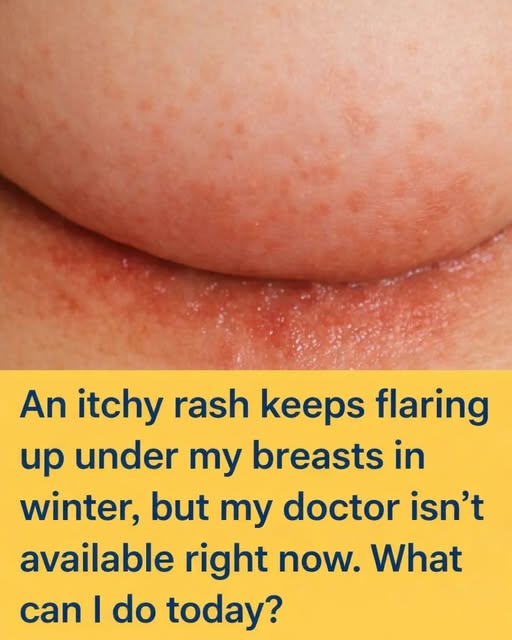
 “An Itchy Rash Under the Breasts This Winter? Here’s What You Can Do Today for Fast Relief
This type of rash is commonly linked to a condition known as Intertrigo. It occurs when skin rubs against skin in warm, moist areas, leading to redness, itching, and sometimes a burning sensation. Under the breasts is one of the most common spots for this to happen.
In some cases, the rash can also involve a yeast infection caused by Candida, which thrives in damp environments. Winter may not seem like a typical time for this problem, but layered clothing and reduced airflow can actually make things worse.
Let’s walk through what you can do right now to get relief.
 Start with Gentle Cleaning
The first step is to keep the area clean—but gently. Use lukewarm water and a mild, fragrance-free soap. Avoid scrubbing or using rough cloths, as irritated skin can worsen quickly with friction.
Once you’ve cleaned the area, drying is just as important. Pat the skin dry with a soft towel instead of rubbing. If possible, allow the area to air dry for a few minutes. Moisture is one of the biggest triggers for this kind of rash, so removing it is essential.
 Keep the Area Dry Throughout the Day
Even after cleaning, moisture can build up again quickly—especially if you’re wearing tight clothing or multiple layers. If you can, place a soft, breathable cotton pad or cloth under the breast to absorb sweat during the day.
Some people find that using a hairdryer on a cool setting for a few seconds helps ensure the area is completely dry after washing.
 Choose the Right Clothing
Your clothing can either help or worsen the situation. Tight bras, especially those made from synthetic materials, tend to trap heat and moisture. Today, try switching to a loose-fitting, breathable cotton bra—or go without one at home if you’re comfortable.
Loose clothing allows air to circulate and reduces friction, which can make a noticeable difference in how quickly the rash improves.
 Apply a Protective or лечебный Cream
After cleaning and drying, consider applying a thin layer of a soothing or protective cream. Zinc oxide creams (commonly used for diaper rash) can create a barrier that reduces friction and protects the skin.
If the rash looks red, shiny, or slightly moist, it could involve a fungal component. In that case, an over-the-counter antifungal cream like Clotrimazole may help. Apply it as directed, usually twice a day, after cleaning the area.
Avoid thick, greasy creams unless they’re specifically designed as a barrier, as some products can trap moisture and make the rash worse.
 Soothe the Itch with Cool Compresses
If the itching is intense, a cool compress can provide immediate relief. Take a clean cloth, dampen it with cool (not icy) water, and place it on the affected area for 5–10 minutes.
This helps reduce inflammation and calms the urge to scratch—which is important, because scratching can damage the skin and increase the risk of infection.
 Avoid Things That Can Make It Worse
While your skin is healing, it’s best to avoid anything that might irritate it further. This includes:
- Perfumed lotions or body sprays
- Tight or underwire bras
- Heavy oils that trap moisture
- Staying in sweaty clothes for too long
Even small irritants can slow down healing, so keeping things simple and gentle is key.
 Simple Home Remedies That May Help
If you don’t have medicated creams available, there are a few mild options you can try:
- A small amount of petroleum jelly to reduce friction
- Pure aloe vera gel (make sure it’s alcohol-free) for soothing relief
These won’t treat infections, but they can help calm irritation while your skin recovers.
 What to Expect Over the Next Few Days
If the rash is mild, you may start to notice improvement within 1–3 days after keeping the area clean, dry, and protected. The redness should begin to fade, and the itching should become less intense.
However, consistency is important. Skipping steps—even for a day—can allow the rash to flare up again.
 When to Seek Medical Help
While home care can be effective, there are times when you should follow up with a healthcare professional as soon as possible:
- The rash doesn’t improve after 3–5 days
- It becomes more painful or spreads
- You notice cracking, bleeding, or pus
- There’s a strong or unusual odor
These signs could indicate a more serious infection that requires prescription treatment.
Why It Happens More Often in Winter
It might seem counterintuitive, but winter conditions can actually increase the risk of this type of rash. Wearing multiple layers, thicker fabrics, and spending more time indoors can create a warm, slightly humid environment against the skin.
Less airflow combined with friction makes it easier for irritation—and even yeast—to develop
 Final Thoughts
An itchy rash under the breasts can feel uncomfortable and persistent, but in many cases, it’s manageable with simple, consistent care. Focus on keeping the area clean, dry, and protected, and you’ll likely see improvement soon.
If it keeps coming back, your doctor can help identify underlying causes and recommend long-term solutions tailored to your skin.


0 comments:
Post a Comment