Waking up in the middle of the night with a sudden, sharp pain twisting through your calf or foot can ruin what should be a peaceful rest. One moment you’re sound asleep, and the next your muscle locks up in a tight, uncomfortable knot that forces you to sit up and stretch desperately for relief. These episodes don’t just steal your sleep—they leave you groggy, irritable, and less focused the next day, making even simple tasks feel harder.
If this keeps happening, it’s natural to feel frustrated and wonder what’s going on. But here’s the thing: those nighttime leg cramps could be your body’s way of gently signaling that something in your daily routine or habits might need a little more attention.
The good news is there are practical, everyday steps you can take to support your muscles and enjoy more comfortable nights. Keep reading because we’re about to uncover the most common connections and share easy habits you can start using tonight.

What Exactly Are Nighttime Leg Cramps?
Nighttime leg cramps, often called nocturnal leg cramps, are sudden and involuntary muscle tightenings that usually strike in the calf, foot, or thigh while you’re resting or sleeping. They can last from a few seconds to several minutes and often wake you up with intense discomfort.
Unlike general muscle soreness, these cramps feel like a hard knot that won’t release right away. You might have to stand, walk, or gently stretch to ease the tension. They’re very common—especially after age 50—and can happen to anyone regardless of how active you are.
Research from sources like the Cleveland Clinic shows they’re usually harmless but can disrupt sleep quality when they become frequent.
Common Factors That May Play a Role in Nighttime Leg Cramps
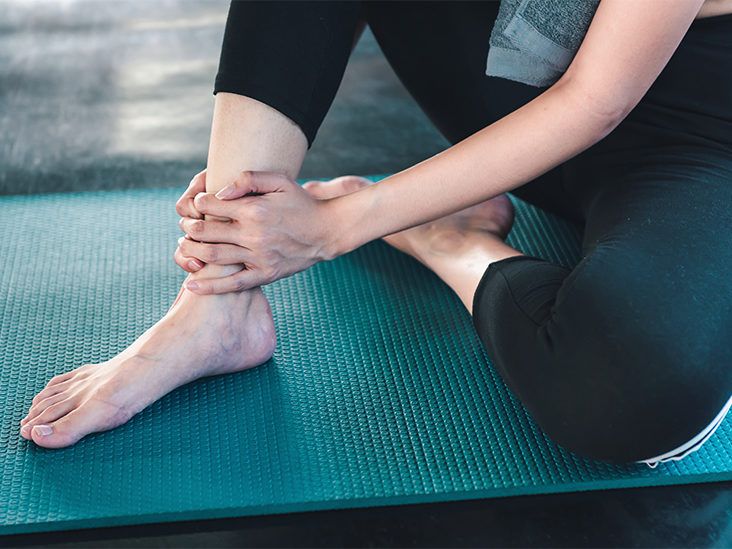
But what actually triggers them? While the exact cause isn’t always clear, experts point to a mix of everyday factors that can make muscles more likely to tighten up unexpectedly.
How Dehydration and Daily Activity Affect Your Muscles
Dehydration is one of the top contributors people notice. When your body lacks enough fluids, muscles don’t work as smoothly. Long days on your feet, exercise, or even hot weather can increase the chance of cramps if you’re not replenishing fluids regularly.
Poor circulation from sitting or standing too long in one position can also play a part. Your muscles get tired and less flexible, making nighttime tightenings more likely.
The Surprising Link to Nutrient Support for Muscle Function
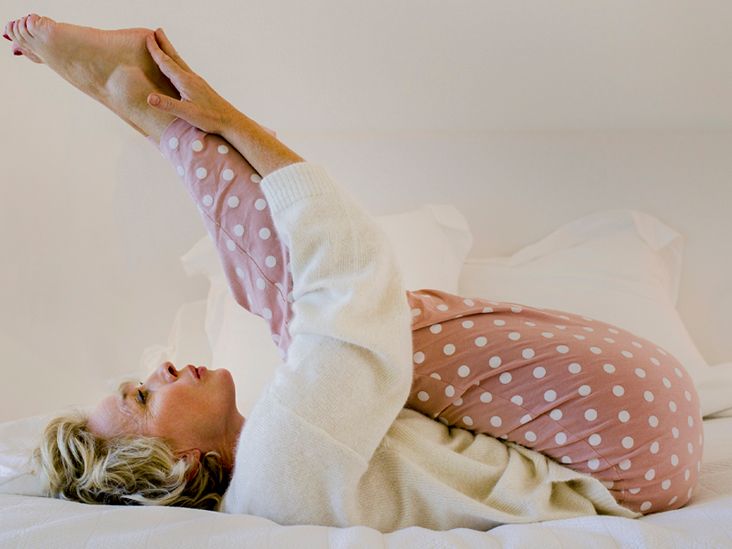
Here’s where it gets interesting: many people wonder whether their diet could be connected. Certain minerals and vitamins play important roles in how muscles contract and relax normally.
Magnesium helps support muscle relaxation, potassium aids electrolyte balance, calcium is essential for proper signaling, and vitamin D supports overall muscle health. Some research suggests that when levels of these nutrients are lower than ideal, cramps may occur more often—though studies show mixed results and more research is always ongoing.
The key takeaway? Paying attention to a balanced diet can be a smart way to support your body’s natural needs.
Here are some everyday foods many people include to support healthy electrolyte levels and muscle comfort:
- Bananas, oranges, and sweet potatoes — rich in potassium
- Spinach, almonds, and pumpkin seeds — great sources of magnesium
- Yogurt, cheese, and leafy greens — provide calcium
- Fatty fish like salmon or fortified foods — help with vitamin D
- Avocados, beans, and coconut water — offer natural electrolyte support
Adding these to your meals doesn’t require major changes—just small, consistent choices.
Other Everyday Habits That Can Influence Cramps
But that’s not the whole picture. Lifestyle factors matter just as much as what’s on your plate.
Overuse from intense workouts, wearing unsupportive shoes, or even sleeping with your feet pointed downward can set the stage for cramps. Certain medications or underlying health considerations (like circulation changes) may also contribute, which is why listening to your body is so important.
The surprising part is how much small daily adjustments can make a difference in how your legs feel at night.
Practical Habits You Can Start Tonight to Support More Restful Sleep
The best news? You don’t need complicated routines. Here are simple, actionable steps that many people find helpful for promoting muscle comfort and better sleep.
Stay Ahead of Hydration All Day Long
Drink water consistently throughout the day—aim for at least 8 glasses. Limit caffeine and alcohol in the evening since they can contribute to dehydration. Keep a glass by your bed for easy sipping if you wake up.
Gentle Stretching Routine Before Bed
Stretching your calves and hamstrings in the evening can help keep muscles loose. Try this simple 5-minute routine:
- Calf stretch against the wall: Stand facing a wall, place one foot back with the heel flat, and gently lean forward until you feel a stretch in the back leg. Hold for 20–30 seconds on each side.
- Seated hamstring stretch: Sit on the edge of your bed, extend one leg straight, and reach toward your toes. Hold gently for 20 seconds per leg.
- Foot flex: While lying in bed, point and flex your feet several times to loosen the muscles.
Do these slowly and breathe deeply—never force the stretch.
Create a Supportive Sleep Environment
Keep your bedding loose so your feet aren’t pointed downward. Consider a small pillow under your knees if you sleep on your back. Wear comfortable, supportive shoes during the day to reduce strain.
Here’s another quick list of daily habits that support overall leg comfort:
- Move around every hour if you sit a lot at work
- Take a short evening walk to promote gentle circulation
- Elevate your legs for a few minutes after a long day
- Choose magnesium-rich snacks in the afternoon if they fit your routine
- Maintain a consistent bedtime to help your body wind down
These small changes add up and can make waking up refreshed much more likely.
What to Do When a Cramp Hits in the Moment
When a cramp strikes, don’t panic. Sit up slowly, straighten your leg, and gently flex your foot upward toward your knee. Massage the tight area with firm but gentle pressure. A warm towel or quick walk around the room often brings quick relief.
When Should You Talk to a Healthcare Professional?
While most nighttime leg cramps are common and manageable, it’s smart to check with your doctor if they happen very frequently, are extremely painful, or come with swelling, redness, or other changes. They can help rule out any other factors and guide you on the best next steps for your situation.
Wrapping It Up: Listening to What Your Body Is Saying
Nighttime leg cramps can feel disruptive, but they often serve as a helpful reminder to pay closer attention to hydration, movement, diet, and sleep habits. By making small, consistent changes—like staying hydrated, stretching gently, and choosing nutrient-supporting foods—you give your body the everyday support it needs for more peaceful nights.
Your legs (and your sleep) will thank you for it.
FAQ: Your Most Common Questions About Nighttime Leg Cramps
What usually causes nighttime leg cramps?
They often stem from muscle fatigue, dehydration, or changes in electrolyte balance. Daily habits like hydration levels, activity patterns, and sleep position can all play a role, though the exact trigger isn’t always obvious.
Can certain foods really make a difference?
Yes—foods rich in potassium, magnesium, calcium, and vitamin D support normal muscle and nerve function. Including more bananas, leafy greens, nuts, and dairy (or fortified alternatives) is a simple way many people support their wellness routine.
What’s the best way to stretch and prevent cramps?
A short evening routine focusing on calves and hamstrings works well for most people. Gentle wall stretches and foot flexes before bed help keep muscles relaxed without any strain.
Disclaimer: This article is for informational purposes only and does not replace professional medical advice. Always consult your healthcare provider before making significant changes to your diet, exercise, or supplement routine, especially if you have existing health conditions. Individual results may vary.


0 comments:
Post a Comment