Your Electricity Bill Could Double This Summer Unless You Stop Making These Air Conditioner Mistakes
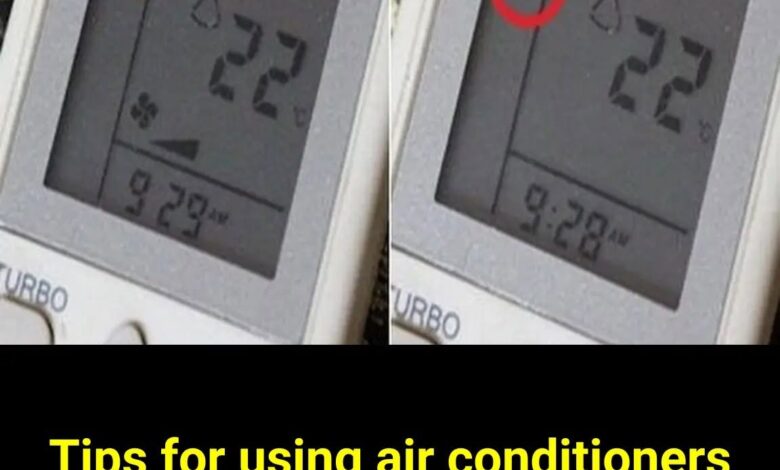
Every summer, millions of families experience the same shocking moment. They open their electricity bill expecting a modest increase, only to discover a number so high it leaves them staring at the page in disbelief. Some households report their costs jumping by 50 percent. Others see bills double or even triple during the hottest months of the year. The worst part is that many people unknowingly cause these increases themselves through common air conditioner habits they believe are actually saving money. What seems like smart energy use can sometimes force an air conditioner to work harder, consume more electricity, and shorten its lifespan. Fortunately, a few simple changes can make a dramatic difference.
As temperatures rise during the summer months, air conditioners become one of the most heavily used appliances in the home. For many families, they are no longer considered a luxury but a necessity. They provide comfort, improve sleep quality, and offer relief during extreme heat.
However, comfort often comes with a price.
When air conditioners run for long periods every day, electricity consumption increases significantly. Many homeowners are surprised to learn that small adjustments in how they use their cooling systems can have a major impact on monthly energy costs.
One of the most common mistakes involves setting the temperature too low.
After spending time outside in intense heat, many people immediately lower the thermostat to the coldest setting possible. It feels logical. If the room is hot, lowering the temperature drastically should cool it faster.
In reality, this strategy often wastes electricity.
Air conditioners work harder and consume more energy when they are forced to maintain extremely low temperatures. Experts suggest choosing a moderate temperature that keeps the room comfortable without forcing the system to operate at maximum capacity for extended periods.
A temperature range between 23°C and 25°C during the day is generally considered efficient and comfortable. During the night, raising the setting slightly to between 25°C and 28°C can further reduce electricity consumption while still providing a pleasant sleeping environment.
Another widespread misconception is the belief that repeatedly turning the air conditioner on and off saves money.
Many people switch the unit off once the room feels cool and then restart it when temperatures rise again. While this may seem efficient, frequent restarting often causes the system to work harder than necessary.
Each time the air conditioner powers back on, it must cool the room from a higher temperature, requiring additional energy. Constant cycling can also increase wear and tear on internal components, potentially shortening the lifespan of the appliance.
Allowing the unit to maintain a stable temperature is usually more efficient than repeatedly shutting it down and restarting it throughout the day.
Another area of confusion involves cooling modes.
Some homeowners believe that switching to Dry mode automatically reduces electricity usage and cools the room just as effectively as Cool mode.
While Dry mode can be useful in humid conditions, it serves a different purpose.
Its primary function is to remove moisture from the air rather than significantly lower the room temperature. During extremely hot weather, Dry mode may leave the room feeling uncomfortable because it cannot provide the same cooling performance as Cool mode.
When temperatures are especially high, Cool mode remains the most effective setting for maintaining a comfortable indoor environment.
Airflow management also plays a larger role than many people realize.
Some users manually direct airflow toward a specific location in the room, hoping to feel cooler more quickly. While this may provide temporary comfort, it often results in uneven cooling.
Using the fan’s automatic mode allows the system to distribute air more evenly throughout the room. This helps maintain consistent temperatures and often improves efficiency because the air conditioner does not need to work as hard to eliminate hot spots.
Simple habits around the home can also influence cooling costs.
Leaving doors or windows open while running the air conditioner is one of the fastest ways to waste energy. Cool air escapes, warm air enters, and the system must continuously compensate for the temperature difference.
The result is increased electricity consumption and reduced cooling performance.
Keeping doors and windows closed while the air conditioner is operating helps maintain a stable indoor temperature and reduces unnecessary strain on the system.
Sunlight can create similar challenges.
Direct sunlight entering through windows can significantly increase indoor temperatures. As the room becomes warmer, the air conditioner must work harder to compensate.
Closing curtains, blinds, or shades during the hottest parts of the day can help block solar heat and reduce the cooling load placed on the system.
Many people are surprised to learn that using a fan alongside an air conditioner can actually help lower electricity costs.
At first glance, running two devices simultaneously may seem counterproductive. However, fans consume far less electricity than air conditioners.
When used together, a ceiling fan or standing fan helps distribute cool air more effectively throughout the room. This improved circulation often allows homeowners to raise the thermostat slightly while maintaining the same level of comfort.
Even a small increase in thermostat temperature can lead to noticeable energy savings over time.
Proper maintenance is another factor that is frequently overlooked.
Air conditioners rely on clean filters to operate efficiently. Over time, dust, dirt, and debris accumulate inside the filter, restricting airflow and reducing performance.
When airflow becomes restricted, the system must work harder to achieve the same cooling effect.
This additional effort translates directly into higher electricity usage.
Cleaning the filter regularly helps maintain efficiency and improves overall performance. Many experts recommend inspecting and cleaning filters approximately every two weeks during periods of heavy use.
Routine professional servicing is equally important.
Having the system inspected and cleaned every six months can help identify minor issues before they become expensive repairs. Homes that use air conditioning heavily throughout the year may benefit from even more frequent maintenance.
Many people focus exclusively on reducing how often they use their air conditioner.
However, efficiency is often more important than simply reducing operating hours.
A well-maintained system operating correctly at reasonable settings frequently consumes less electricity than an inefficient system running under poor conditions.
As temperatures continue to rise each summer, energy costs remain a concern for households everywhere. Fortunately, reducing those costs does not necessarily require sacrificing comfort.
Small changes in daily habits, smarter temperature settings, proper maintenance, improved airflow management, and attention to basic energy-saving practices can make a significant difference.
The next time you turn on your air conditioner, remember that comfort and efficiency do not have to be opposites. With a few simple adjustments, it is possible to stay cool throughout the hottest months of the year without dreading the arrival of your next electricity bill.


0 comments:
Post a Comment