As we age into our 70s and beyond, many of us notice our strength slowly fading away, making simple daily activities feel more tiring than before. This natural shift can lead to reduced mobility, less confidence in moving around, and even a dip in overall energy levels that affects how we enjoy life. It’s a common challenge that leaves many seniors feeling frustrated with the changes in their bodies. But what if adding just one spoonful of a particular seed to your evening routine could offer valuable nutritional support for maintaining muscle health? Stick around, because the details on this easy addition might surprise you and change how you think about your daily meals.

Understanding Why Muscle Health Matters More After 70
Getting older brings plenty of wonderful experiences, but it also comes with some physical realities. One of the most noticeable is the gradual loss of muscle mass and strength, often called sarcopenia. It happens to most people over time, influenced by everything from slightly lower activity levels to changes in how our bodies process nutrients. The good news? Small, consistent choices in what we eat can make a real difference in how we feel day to day.
But that’s not the whole story. Many older adults find themselves searching for practical ways to stay independent longer. They want to keep carrying their own groceries, playing with grandkids, or simply walking the neighborhood without feeling wiped out. Protein becomes especially important here because our muscles rely on it for repair and maintenance.
The Power of Protein for Seniors Who Want to Stay Strong
Research consistently shows that older adults may need a bit more protein than younger people to support the same level of muscle function. The standard recommendation of 0.8 grams per kilogram of body weight often falls short for those over 70. Experts now suggest aiming closer to 1.0 to 1.2 grams per kilogram to help counteract natural muscle changes.
Here’s the thing many people overlook: not all protein sources are created equal when it comes to convenience and complete nutrition. That’s where certain plant-based options shine, especially for anyone looking to diversify their diet or reduce reliance on animal products.
Meet Hemp Seeds: A Complete Protein Source That’s Easy to Love
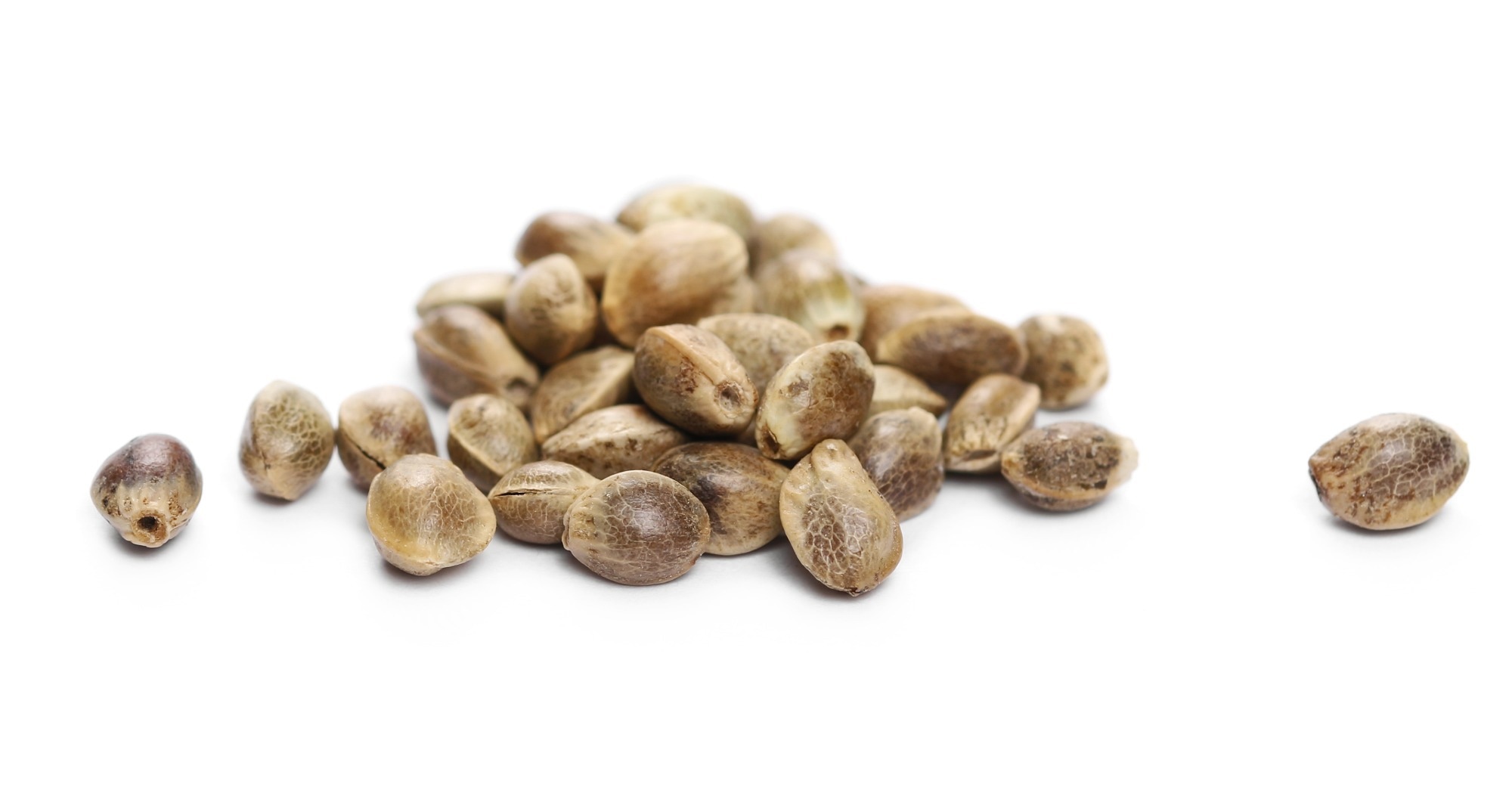
Hemp seeds, also called hemp hearts when shelled, come from the hemp plant (Cannabis sativa). Don’t worry—they contain zero psychoactive compounds and have been used as a nutritious food for centuries. These tiny, mild-tasting seeds pack a serious nutritional punch in a small serving.
What makes them special? They’re one of the few plant foods considered a complete protein, meaning they contain all nine essential amino acids our bodies can’t make on their own. Just three tablespoons (about 30 grams) deliver roughly 9 to 10 grams of high-quality protein. That’s more protein than you’ll find in a single large egg, gram for gram.
How Hemp Seeds Compare to Eggs for Everyday Nutrition
Eggs have long been a breakfast staple for good reason—they’re a reliable source of complete protein and easy to prepare. Many seniors enjoy them daily. But hemp seeds offer a compelling plant-based alternative or addition for those who want variety.
While one large egg provides about 6 grams of protein, a similar volume of hemp seeds gives you more—and delivers it alongside healthy fats, fiber, and minerals. Both are excellent choices. The key is consistency and pairing them with other nutrient-rich foods.
But here’s where hemp seeds really stand out for older adults. They’re naturally rich in magnesium, which plays a role in muscle function and energy production. They also contain omega-3 and omega-6 fatty acids in a balanced ratio that supports overall wellness.
Additional Nutrients That Make Hemp Seeds a Smart Choice
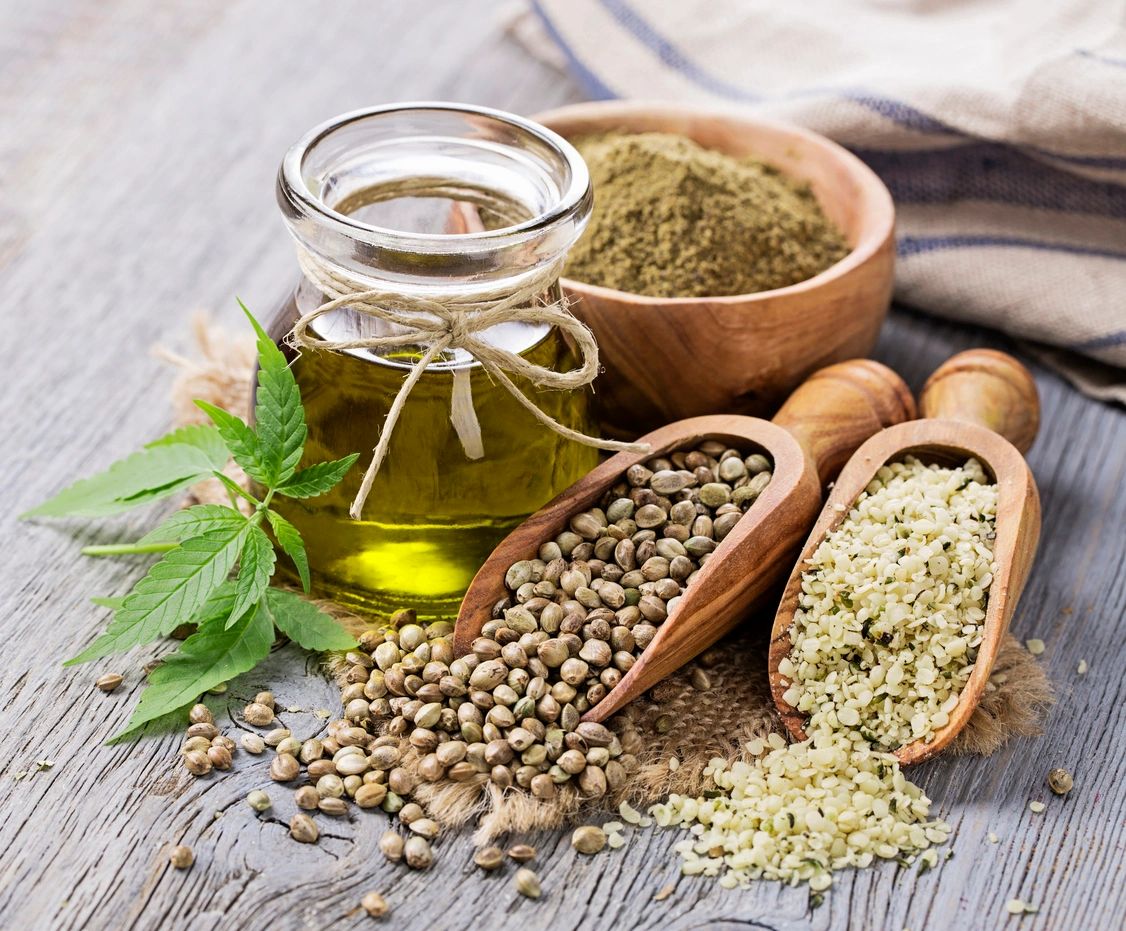
Beyond protein, hemp seeds bring a lineup of supporting nutrients that fit perfectly into a senior-friendly eating plan:
- Magnesium — Important for muscle relaxation and nerve function
- Omega-3 fatty acids — Help support heart health and reduce everyday inflammation
- Fiber — Promotes steady digestion and helps you feel satisfied longer
- Antioxidants and minerals — Including zinc, iron, and vitamin E for immune and cellular support
Studies on plant-based proteins, including those from seeds, suggest they can play a helpful role when combined with regular movement and overall balanced eating.
Why One Spoonful Before Bed Might Fit Your Routine Perfectly
Many people wonder about the timing of protein intake. The idea of taking it before bed isn’t new—research on nighttime protein consumption shows it can support overnight muscle repair without interfering with sleep for most people.
Hemp seeds are gentle on the stomach and don’t require cooking. A single tablespoon (or about one spoonful) stirred into something simple delivers meaningful nutrition without heaviness. This small habit feels doable even on busy or low-energy days.
Easy, Actionable Ways to Add Hemp Seeds to Your Evening Routine
Ready to try it? Here’s exactly how to make it part of your day without any fuss:
- Simple bedtime stir-in — Mix one tablespoon of hemp seeds into a small bowl of Greek yogurt or a plant-based alternative. Add a dash of cinnamon if you like.
- Overnight chia-hemp pudding — Combine hemp seeds with a splash of milk (dairy or plant-based), a few berries, and let it sit in the fridge. Ready when you are.
- Smoothie booster — Blend one spoonful into your favorite fruit smoothie before bed. The mild nutty flavor blends right in.
- Sprinkle and go — Top a slice of whole-grain toast with avocado and hemp seeds for an easy savory option.
- Straight from the spoon — Some folks simply stir them into warm herbal tea or water with a squeeze of lemon. Keep it as easy as possible.
Start small. One spoonful most evenings is plenty to begin noticing the habit forming.
Other Smart Habits That Work Alongside Hemp Seeds
Hemp seeds shine brightest when paired with a few other supportive practices. Consider these complementary tips:
- Engage in gentle strength training two to three times per week (even resistance bands or bodyweight exercises help)
- Stay hydrated throughout the day—muscles need water to function well
- Include a variety of colorful fruits and vegetables for vitamins and antioxidants
- Prioritize quality sleep and manage stress levels
- Consult your doctor or a registered dietitian about your personal protein needs
What Science Suggests About Plant Proteins and Aging
Multiple studies highlight the value of higher protein intake for adults over 70. While animal proteins like eggs remain excellent, complete plant proteins such as hemp seeds offer flexibility and additional nutrients. One analysis of dietary patterns in older adults found that diverse protein sources correlated with better muscle maintenance over time.
Hemp seeds also provide arginine, an amino acid linked to healthy blood flow—another plus for overall vitality.
Real-World Tips for Making This Habit Stick
The secret isn’t perfection; it’s simplicity. Keep a small jar of hemp seeds on your kitchen counter where you’ll see it every evening. Set a gentle phone reminder if needed. Many people report that after two weeks, reaching for that spoonful feels as automatic as brushing their teeth.
If you have any digestive sensitivities, start with half a spoonful and gradually increase. Most people tolerate hemp seeds very well.
Conclusion: A Small Seed, a Meaningful Step
Supporting muscle health after 70 doesn’t require dramatic changes. Sometimes it’s the small, consistent habits—like adding one spoonful of hemp seeds before bed—that add up over weeks and months. These nutrient-dense seeds offer complete protein, healthy fats, and minerals in an easy-to-use form that fits real life.
You deserve to feel as strong and capable as possible for as long as possible. Small choices like this one can help you stay active and independent longer.
Frequently Asked Questions
How much hemp seeds should I consume each day?
One to two tablespoons (roughly one to two spoonfuls) is a sensible starting amount for most adults. This provides 6–10 grams of protein plus other nutrients without overwhelming your system.
Are hemp seeds safe for everyone?
Hemp seeds are generally well-tolerated and naturally free of gluten, dairy, and nuts. However, if you have allergies or take blood-thinning medication, check with your healthcare provider first.
Can I use hemp seeds if I follow a plant-based or low-cholesterol diet?
Absolutely. They’re 100% plant-based, cholesterol-free, and provide a complete protein profile that works beautifully in vegetarian or vegan eating plans.
Disclaimer: This article is for informational and educational purposes only. It is not intended as medical advice, diagnosis, or treatment. Always consult your physician or a qualified healthcare professional before making any changes to your diet, especially if you have existing health conditions or take medications. Individual results may vary.


0 comments:
Post a Comment