One of the most dangerous foods in the world is still enjoyed by millions of people every year.
For most of us, food is all about nourishment, flavor, and enjoyment. We sit down to eat expecting a satisfying meal, not something that could put our health at risk.
Yet around the world, there are certain foods that require very careful preparation because, if handled incorrectly, they can become dangerous.
Surprisingly, many of these foods are still widely eaten today.
It might sound unbelievable, but millions of people regularly consume foods that can cause serious problems if they are not prepared the right way.
In many cultures, these ingredients are part of long traditions and daily diets. When handled properly, they can be completely safe and even highly nutritious.
Here are some well-known examples of foods that have gained a reputation for being among the most risky in the world — and why people continue to eat them.
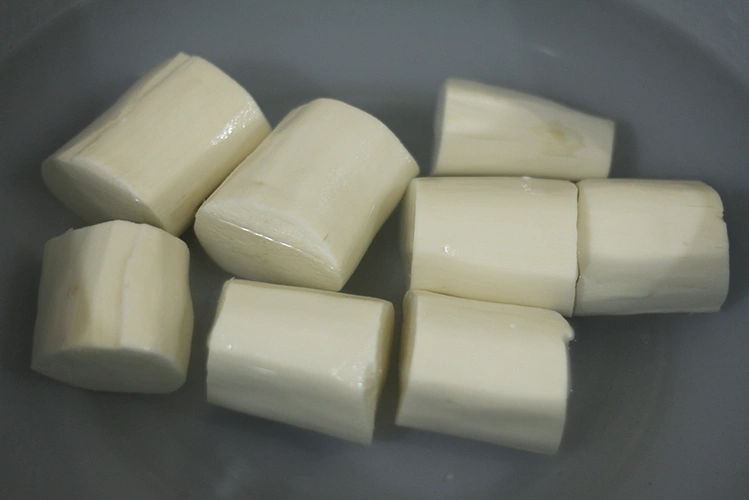
Cassava – a global staple with hidden risks
Cassava may look like a simple root vegetable, but it naturally contains compounds that can release cyanide if the plant is eaten raw or not processed correctly.
If large amounts are consumed without proper preparation, it can lead to serious health problems.
Despite this, cassava remains one of the most important staple foods on the planet.
According to the World Health Organization, more than 800 million people across dozens of countries rely on cassava as a primary source of carbohydrates. It grows well in harsh conditions, survives droughts, and is relatively easy to cultivate.
Traditional preparation methods — such as soaking, fermenting, drying, or boiling — significantly reduce the harmful compounds and make cassava safe to eat. For many communities, it isn’t just food; it’s a vital part of daily life.
Fugu – Japan’s famously risky delicacy
One of the most famous examples of a potentially dangerous dish is Fugu. This delicacy comes from pufferfish, which contains a powerful toxin called tetrodotoxin.
If the fish is not prepared properly, the toxin can cause severe poisoning.
Because of this, chefs in Japan must undergo years of training and licensing before they are legally allowed to prepare and serve fugu.
The toxic parts of the fish — including the liver and certain internal organs — must be carefully removed.
Despite the strict regulations and potential danger, many people still seek out this dish for its unique flavor and the thrill associated with eating something so rare and carefully prepared.

Starfruit and kidney health concerns
Starfruit is loved for its refreshing taste and distinctive star shape. It’s packed with vitamin C and antioxidants, making it a popular ingredient in juices and desserts.
However, for individuals with serious kidney problems, compounds in starfruit can build up in the body and cause neurological symptoms.
For people with healthy kidneys, starfruit is generally safe to enjoy, but doctors often recommend that those with kidney disease avoid it.
Fruit pits and seeds
Many fruits contain seeds or pits that naturally include small amounts of compounds that can release cyanide when crushed or chewed.
This includes the pits of Cherry and the seeds inside Apple.
The fruit itself is perfectly safe to eat, and accidentally swallowing a whole pit is usually harmless. The risk comes from crushing or chewing large amounts of these seeds, which releases the compounds inside.
Green potatoes
When Potato is exposed to light for too long, it can develop a green color and produce higher levels of a compound called solanine. In large amounts, solanine can cause stomach discomfort and other symptoms.
To stay safe, it’s best to discard potatoes that are very green or heavily sprouted. Peeling slightly green areas and storing potatoes in a cool, dark place helps prevent the problem.

Raw cashews
Many people don’t realize that so-called “raw” Cashew from the store have actually been heat-treated. Truly raw cashews contain urushiol, the same compound found in poison ivy.
During commercial processing, the nuts are steamed or roasted to remove the irritating substance, making them safe to eat.
Nutmeg in large amounts
Nutmeg is a popular spice used in baked goods and drinks, but consuming it in very large quantities can affect the nervous system due to a compound called myristicin.
Symptoms from excessive amounts may include nausea, dizziness, or confusion.
Used in normal cooking amounts, however, nutmeg is perfectly safe and adds wonderful flavor to many dishes.
Wild mushrooms
Some wild mushrooms can look very similar to edible varieties but contain dangerous toxins.
One of the most notorious is the Death Cap, which has been responsible for numerous cases of severe poisoning throughout history.
Because of this, experts recommend that people only eat mushrooms purchased from reliable sources unless they are highly experienced in identifying wild varieties.
Rhubarb leaves
Rhubarb is often used in pies, jams, and desserts. The stalks are perfectly safe and delicious, but the leaves contain oxalic acid, which can be harmful if eaten in large quantities.
As long as you stick to the stalks and discard the leaves, rhubarb remains a wonderful ingredient.

Raw kidney beans
Kidney Bean contains a natural toxin called phytohaemagglutinin when uncooked. Eating undercooked beans can lead to severe digestive upset.
Fortunately, boiling kidney beans for at least 10 minutes destroys the toxin and makes them completely safe to eat.
Food knowledge matters
These examples show that many foods considered “dangerous” are actually safe when prepared properly.
In many cases, they have been eaten safely for generations thanks to traditional cooking techniques and careful preparation.


0 comments:
Post a Comment