Top Ad 728x90

Monday, April 6, 2026

If you notice someone with prominent veins, here’s what you need to tell them. (Check In First comment👇)

by


“Notice Someone With Bulging Veins? Here’s What You Should Know”

Have you ever noticed bright blue veins popping out on the back of your hands and wondered whether that’s simply cosmetic or a sign of something more serious happening beneath the surface?

Visible veins are a common physical trait many people notice, especially when hands are exposed, skin is thin, or the lighting makes the vein color stand out more than usual.

These veins are part of the superficial venous network, which lies just below the skin and Have you ever noticed bright blue veins popping out on the back of your hands and wondered whether that’s simply cosmetic or a sign of something more serious happening beneath the surface?

Visible veins are a common physical trait many people notice, especially when hands are exposed, skin is thin, or the lighting makes the vein color stand out more than usual.

These veins are part of the superficial venous network, which lies just below the skin and is responsible for returning deoxygenated blood back toward the heart after it delivers oxygen to tissues.

The color you see — often blue, greenish, or teal — isn’t the actual blood color but rather how light penetrates the skin and reflects back from the vein surface and surrounding tissue.

People with lighter skin tones and less subcutaneous fat frequently see their veins more clearly, because there’s less tissue between the skin surface and the veins themselves.

Aging also contributes to more prominent veins, as skin becomes thinner and loses elasticity over time, allowing the underlying veins to show through more easily than in younger skin.

When you bend your wrist, clench your fist, or raise your arms overhead, the veins can become even more visible due to increased blood flow and muscle contraction pushing veins toward the surface.

Some individuals are naturally predisposed to visible veins due to genetics; family traits influence vein size, depth, and how closely they lie under the skin’s surface.

Athletes and physically active people — especially weightlifters — often develop bulging veins through consistent muscular development that compresses veins and increases blood flow during exercise.

During physical activity, veins expand to accommodate greater blood volume, which can make them appear larger and more prominent on the hands, arms, and other limbs.

Pregnancy also leads to increased vein visibility because the circulatory system expands to support the growing fetus, raising blood volume and pressure in certain vessels.

Women who are pregnant often develop visible veins on hands, arms, or legs, and these changes usually improve after childbirth as cardiovascular conditions normalize.

Environmental factors like heat can dilate blood vessels, making veins more visible as the body adapts to maintain proper internal temperature and blood flow.

Dehydration can also make veins appear more pronounced because reduced fluid levels shrink the volume beneath the skin, increasing vein contrast against the surface.

While most visible blue veins are benign and reflect normal anatomy, there are times when changes in vein appearance should prompt medical evaluation.

One common vein condition is varicose veins, which occur when vein walls weaken and valves fail, causing blood to pool and the veins to become enlarged, twisted, and rope‑like.

Varicose veins are most often seen in the legs and feet but can occasionally occur on hands if local vein structure and circulation are affected by age or repetitive use.

Symptoms of varicose veins can include aching, heaviness, burning, throbbing, or swelling, especially after long periods of standing or sitting.

Varicose veins are more common in adults over age 50, people with a family history, individuals who are overweight, and women who have experienced multiple pregnancies.

Risk factors also include prolonged standing or sitting, hormonal changes, and occupations that require long hours on the feet without movement or breaks.

Unlike superficial cosmetic veins, deep vein issues can be serious and require medical attention, particularly if there is sudden swelling, pain, warmth, or redness along the vein path.

One condition of concern is deep vein thrombosis (DVT), in which a blood clot forms in a deep vein, typically in the legs, but sometimes in the arms, and can be dangerous if dislodged.

Symptoms of DVT may include persistent swelling, localized pain, warmth, discoloration, and veins that feel tender beneath the skin, especially after inactivity or long travel.

A potentially life‑threatening complication of DVT is pulmonary embolism, which happens when a clot travels to the lungs and blocks blood flow, requiring emergency medical care.

Other warning signs that warrant prompt evaluation include sudden onset of enlarged veins, noticeable skin changes, or symptoms that worsen over days rather than hours.

Some vascular conditions, such as superficial thrombophlebitis, involve clots in veins closer to the skin and may cause redness, warmth, pain, and visible swelling along the affected vein.

Although superficial thrombophlebitis is usually less dangerous than DVT, it still merits medical assessment and appropriate treatment to prevent progression or complications.

Visible veins may sometimes be linked to venous insufficiency, where weakened vein valves allow blood to flow backward, leading to pooling and increased vein visibility at rest.
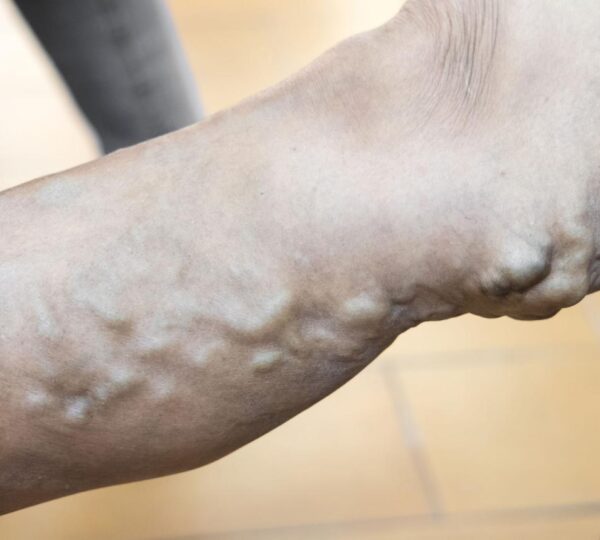
Symptoms of venous insufficiency include aching, heaviness, swelling, skin changes, and in more advanced cases, ulcers around the ankles or lower legs.

Healthcare providers can evaluate vein health using ultrasound imaging, which allows visualization of blood flow, vein structure, and valve function without invasive procedures.

Understanding when veins are simply visible versus when they reflect underlying problems comes down to evaluating symptoms, risk factors, and recent changes over time.

For many people, visible veins are a normal variation in anatomy and physiology, especially if there are no associated symptoms like pain or swelling.

In fact, vascular specialists note that prominent veins alone — without symptoms — rarely indicate a serious health problem and often do not require treatment.

However, if you notice persistent discomfort, unusual swelling, warmth, or rapid changes in vein appearance, it is wise to consult a healthcare provider for personalized evaluation.

Healthy lifestyle measures support overall vein and circulatory health and can also reduce discomfort for people prone to visible veins or mild varicose changes.

Regular physical activity — such as walking, swimming, or cycling — encourages healthy circulation and reduces pressure buildup in veins that can contribute to prominence or discomfort.

Maintaining a healthy weight lowers mechanical stress on the vascular system, which may lessen symptoms and improve overall vein function over time.

Avoiding long periods of sitting or standing without movement is important; taking short walking breaks or gently stretching improves blood flow in the limbs.

Smoking cessation is critical because tobacco use damages blood vessels, promotes inflammation, and increases the risk of vascular issues, including varicose veins and clot formation.

Wearing loose‑fitting clothing, especially around the waist, legs, and arms, helps minimize external pressure on veins and supports comfortable circulation throughout the day.

Some people find that elevating limbs periodically, such as propping hands or feet up while resting, helps reduce swelling and encourages venous blood flow back toward the heart.

For those with symptomatic varicose veins, treatments range from supportive measures like compression stockings to supervised outpatient procedures that improve venous function.

Compression stockings apply gentle pressure on the legs or arms to enhance venous return and reduce pooling, and they are often recommended as a first‑line therapy.

Medical procedures for varicose veins include sclerotherapy, in which a solution is injected into the vein to collapse it, redirecting blood flow to healthier vessels.

Other treatments may include endovenous laser therapy (EVLT) or radiofrequency ablation, which use heat to seal problematic veins and encourage blood flow through healthier routes.

In more severe cases, surgical options such as vein ligation and stripping may be considered, though these are typically reserved for extensive or refractory disease.

Recovery from such procedures varies by individual but often involves minimal downtime with guidance from a vascular specialist about gradual return to activity.

Even though some vein treatments improve appearance, their primary goal is to reduce symptoms, prevent progression, and support healthy circulation long term.

Nutritional factors also influence vein and cardiovascular health; diets rich in fruits, vegetables, lean proteins, and healthy fats provide antioxidants and nutrients that support blood vessels.

Staying well hydrated supports normal blood volume and flow, which can help veins function efficiently and reduce excessive prominence caused by dehydration.

Some supplements — like flavonoids found in citrus fruits — are studied for potential vein health benefits, but always consult a healthcare provider before starting any new regimen.

Age, genetics, lifestyle, and occupation all play roles in how visible veins appear and whether they cause discomfort or remain purely cosmetic.

Vascular health specialists emphasize that most cases of blue, visible veins are normal anatomical variations that do not require intervention unless accompanied by symptoms.

The Cleveland Clinic and other trusted medical sources note that visible veins are a common experience, especially in adults who are thin, active, or have naturally lighter skin tones.

Approximately one in three adults develops some form of varicose veins during their lifetime, underscoring how common venous visibility and changes can be.

Even in people with varicose veins, many experience only mild symptoms that do not interfere with daily activities and can be managed conservatively.

But ignoring warning signs such as pain, swelling, sudden changes, or signs of infection or inflammation is unwise; these symptoms can point to underlying vascular conditions.

Regular check‑ups with a primary care provider or vascular specialist help monitor vein health and circulation, especially in people with risk factors like family history or sedentary work patterns.

Many people find that discussing symptoms early leads to more tailored, effective care and reassurance when veins are simply prominent rather than problematic.

Visible veins may be telling you something about your circulatory system, but not every visible vein signals danger — context and symptoms matter.

If in doubt, seeking a medical opinion provides clarity, peace of mind, and a roadmap for maintaining vascular health over the long term.

Your veins support an essential function: returning blood to the heart efficiently and quietly, even when they show up more clearly than you expected.

Understanding the many reasons veins become visible — anatomy, activity level, aging, or underlying venous conditions — empowers you to make informed health decisions.

Whether veins are simply part of your natural physique or your body is signaling a vascular issue, awareness and informed care are your best allies.

Ultimately, prominent blue veins can be normal, natural, and harmless — but if they throb, burn, or change quickly, that’s a cue to talk with a doctor.

Health professionals are there to help interpret your body’s signals, support healthy circulation, and ensure your vein health stays on track.

Your vascular system is complex and resilient, but it deserves attention when something feels amiss or unlike your usual baseline.

Visible veins can be fascinating, functional, and sometimes concerning — understanding both normal variations and warning signs empowers better lifelong health.

If you notice new symptoms or pain, don’t hesitate to get checked — your veins might be revealing something important about your heart and circulation.

Healthy habits, regular movement, and thoughtful medical evaluation when needed help keep veins functioning as they should throughout life’s many chapters.


The risks of finding love after 60: what people never warn you about. 🤔🤔 (Check In First comment👇)

by


“What You Should Know About Falling in Love After 60”

Love after age 60 can be one of life’s most thrilling chapters — but it also brings emotional complexity that many people don’t expect when they first open their hearts again.

Unlike relationships in early adulthood, which often involve planning for marriage, homes, and children, love in later years is more deeply rooted in companionship, shared history, and emotional connection.

Adults in their 60s have often already built full lives — careers, families, friendships, and Love after age 60 can be one of life’s most thrilling chapters — but it also brings emotional complexity that many people don’t expect when they first open their hearts again.

Unlike relationships in early adulthood, which often involve planning for marriage, homes, and children, love in later years is more deeply rooted in companionship, shared history, and emotional connection.

Adults in their 60s have often already built full lives — careers, families, friendships, and routines — and a new relationship must compliment those established worlds rather than disrupt them.

As Dr. Michele Leno explained in Parade magazine, “the need for love, attachment and belonging does not change with age,” reminding us that the emotional desires driving later‑life relationships are deeply human and lifelong.

That very human desire, however, can also make later‑life romance vulnerable to emotional pitfalls that are often overlooked by both individuals and the people around them.

One of the earliest emotional challenges for people seeking love later in life is loneliness, which can emerge strongly after transitions like retirement or the loss of a long‑term partner or spouse.

When daily routines shift and social circles shrink, feelings of isolation or emptiness can make the arrival of a kind, attentive stranger feel especially meaningful — even if it’s not full love yet.

At this stage of life, many single adults are also coping with quiet grief — missing a partner, the companionship they shared, and the identity that came with years of shared life.

When someone new arrives during a period of emotional vulnerability, individuals can sometimes mistake relief, comfort, or affection for deep romantic love before it’s truly been tested.

In many cases, what feels like love is actually a response to emotional need — not because the connection is flawed, but because loneliness can cloud judgment and accelerate attachment.

A genuine, resilient relationship takes time, mutual understanding, and clear boundaries — no matter someone’s age — and later‑life adults benefit from slowing the pace of emotional escalation.

Another emotional issue that often arises in later‑life romance is the belief that “time is running out,” a sense that this might be the final opportunity for a deeply meaningful connection.

That mindset can lead a person to move too quickly, overlook warning signs, or stay in a relationship that doesn’t fully align with their values or long‑term goals.

While wanting companionship is natural, haste in emotional commitment can make individuals more vulnerable to unhealthy patterns or partners who are mismatched in intentions or priorities.

This dynamic is especially important to recognize because older adults often bring emotional and financial legacies into a relationship, and mistakes can have long‑lasting consequences.

Clinical psychologist Dr. Dianne Mani told Parade that when someone demands constant attention — expecting a partner to “drop everything to meet their needs right away” — it’s a red flag for boundary issues, not love.

She emphasized that healthy relationships require mutual consideration of needs, values, and life contexts rather than impulsive or self‑centered demands that disregard a partner’s stability.

In fact, slowing down, asking thoughtful questions, and evaluating long‑term compatibility are just as crucial at 60 as they were at 20 — perhaps even more so.

Many people in their 60s have adult children, financial responsibilities, retirees returning to school, or health needs that influence how a partnership should function day‑to‑day.

Recognizing this complexity can help individuals avoid the all‑too‑common mistake of letting their desire for connection outpace their discernment about character and intent.

Financial boundaries are another major area where mature adults must proceed with care, especially when money is tied to future comfort and long‑term stability.

According to relationship experts and counseling platforms like eHarmony, entering a partnership with someone who has poor money‑management habits can create conflict, stress, and insecurity.

At a stage when many adults are planning or enjoying retirement, handling finances with care — budgeting, investing, and protecting assets — becomes central to quality of life.

When a new romantic partner consistently expects the other to cover expenses, avoid plans that cost money, or shows reluctance toward shared financial planning, it could signal deeper conflicts.

These patterns can affect not just day‑to‑day expenses, but also retirement savings, legacy planning for children or grandchildren, and peace of mind in later years.

Dr. Mani has noted that financial stressors can be especially acute for older adults who are balancing retirement planning with health care costs, family obligations, or long‑term commitments.

In cases where one partner’s financial habits threaten the financial security of the other, professional financial counseling or clear contractual boundaries can help protect both parties.

For many people, this stage of life is also about preserving independence, dignity, and a legacy they’ve worked hard to build over decades of labor, caregiving, and planning.

Healthy love after 60 should enhance your life without compromising the freedom and stability you’ve earned, allowing both partners to flourish together and independently.

The healthiest later‑life relationships are built on mutual respect, open communication, aligned values, and the ability to enjoy one another’s company without pressure, fear, or emotional urgency.

Emotional honesty is a cornerstone of such relationships; mature partners are more likely to communicate openly about needs, expectations, and long‑term intentions.

This deeper emotional maturity, often gained through life experience, allows later‑life lovers to build connections that are rich in empathy, understanding, and shared aspiration.

Some older adults also find love in unexpected places — through travel, community events, volunteering, classes, online dating, or mutual social networks that bring like‑minded people together.

Online dating, in particular, has become a popular venue for older adults seeking connection, offering opportunities to meet others with shared interests and life goals in a low‑pressure environment.

However, online connections also require caution, clear boundaries, and verification of intentions before sharing sensitive personal or financial information.

While the digital world expands possibilities, it also amplifies risks like misrepresentation and emotional rushing, reminding older adults to proceed with thoughtful care.

In addition to personal boundaries, social support plays a key role in navigating new relationships at any age, including friends, family, and trusted confidants who can provide perspective.

Friends and family can offer honest feedback, emotional grounding, and outside viewpoints that help individuals evaluate potential partners with a clearer understanding of long‑term compatibility.

For many individuals over 60, the support of a community — whether friends, clubs, faith groups, or social circles — reinforces emotional resilience and well‑rounded wellbeing outside of romantic relationships.

Maintaining friendships and personal interests alongside a romantic partnership also prevents emotional dependency and encourages a balanced life rich with activities beyond the coupling.

Health considerations also matter; shared values around fitness, medical care, diet, and lifestyle can strengthen a partnership and promote joint long‑term wellbeing.

Couples who prioritize health together — from walking and travel to preventative medical checkups — often enjoy greater vitality and deeper emotional fulfillment in later years.

Some later‑life relationships evolve gradually over months or years, allowing both partners to observe behavior, communication patterns, and shared integrity before making long‑term commitments.

This slower pace isn’t a lack of passion; rather, it’s a strategic approach that honors emotional wisdom and prioritizes compatibility over impulse.

Family dynamics also influence romantic decisions after 60, especially when adult children or grandchildren enter the equation with opinions, concerns, and emotional investments.

Balancing personal romantic choices with family relationships can be delicate, requiring sensitivity, communication, and mutual respect between partners and their extended families.

In many cases, blending families in later life — including children’s reactions to a new partner — requires patience, transparency, and time to build trust across generations.

Healthy older couples also discuss legacy planning, including wills, health proxies, and financial plans, to ensure that both partners’ interests and security are legally protected.

Well‑structured planning supports emotional certainty and avoids confusion later on, allowing both partners to enjoy each other without lingering insecurity or ambiguity about the future.

Experts often recommend couples have clear conversations about retirement goals, living arrangements, travel dreams, and personal priorities before making shared commitments.

These discussions can reveal compatibility in values, work‑life balance, social desires, and the kinds of day‑to‑day rhythm that support long‑term harmony.

When approached with care, love after 60 can be a deeply fulfilling chapter — one filled with connection, laughter, mutual discovery, and emotional depth that complements the wisdom of age.

Rather than focusing on fear of being alone, many find meaning in relationships that emphasize respect, shared purpose, and the joy of experiences yet to come.

Chapter‑book love in later life often weaves sentimental richness with practical awareness — reminding partners that love can be both emotionally thrilling and grounded in reason.

This is love that embraces growth without dependency, that cherishes freedom without sacrificing connection, and that allows both partners to continue thriving individually and together.

For many, falling in love after 60 becomes a celebration of resilience, self‑knowledge, and the willingness to love with both heart and clarity.

When you approach relationships with clear boundaries, thoughtful questions, and self‑respect, the love you find can truly be a gift that enhances your life.

Healthy love should always improve your wellbeing, bring joy without anxiety, and provide companionship that magnifies life’s beauty rather than complicating it.

If you’re considering a late‑life relationship, heed both your heart and your experience — and give yourself time to choose wisely rather than from fear or loneliness.

Ultimately, love after 60 can be one of the most meaningful, joyful, and life‑affirming experiences a person can have — when built on respect, honesty, and shared purpose.

What advice would you share about falling in love after 60? Let us know your thoughts, and share this story so others can contribute their wisdom too.

My heart is full of rage 🤬 May you rest peacefully, sweet angel 💔 (Check In First comment👇)

by


“Tragic Outcome: Newborn Passes Away Following Circumcision, Doctor Faces Charges”

A heartbreaking tragedy unfolded in California when a newborn baby boy, just two days old, died following a routine circumcision at a private clinic.

The incident has shocked families and medical communities nationwide. Authorities report that Dr. Hong-An Jan, who performed the procedure, may have administered an incorrect medication.

Instead of a local anesthetic typically used for such procedures, the baby allegedly A heartbreaking tragedy unfolded in California when a newborn baby boy, just two days old, died following a routine circumcision at a private clinic.

The incident has shocked families and medical communities nationwide. Authorities report that Dr. Hong-An Jan, who performed the procedure, may have administered an incorrect medication.

Instead of a local anesthetic typically used for such procedures, the baby allegedly received a strong narcotic, raising immediate safety concerns.

After the circumcision, the infant showed alarming signs of distress. His parents noticed unusual weakness, lethargy, and lack of response, signaling that something was seriously wrong with their newborn son’s health.

Concerned, the parents returned to the clinic seeking urgent medical advice. However, court documents claim that Dr. Jan dismissed their concerns, assuring them that these symptoms were normal post-circumcision reactions.

A civil lawsuit filed by the baby’s parents against Dr. Jan and South Coast Global Medical Center in Santa Ana details that no laboratory tests were conducted. Symptoms indicative of narcotic intoxication were reportedly ignored.

The baby, identified as Charles in the lawsuit, continued to show “profound lethargy” and struggled to feed properly. His parents repeatedly sought help, fearing the worst, but were repeatedly told there was no cause for concern.

Tragically, within 24 hours, Charles stopped breathing. He was rushed to a hospital in a critical condition, but medical staff were unable to save his life, and he passed away despite emergency intervention.

A subsequent autopsy revealed that the newborn’s cause of death was bronchopneumonia associated with drug intoxication. Investigators described the situation as both preventable and negligent, noting that immediate care could potentially have saved the infant.

Legal authorities have now charged Dr. Hong-An Jan with involuntary manslaughter. The doctor has publicly denied the allegations and entered a plea of not guilty while the investigation and legal proceedings continue.

Meanwhile, the baby’s parents have initiated a civil lawsuit, accusing Dr. Jan of medical malpractice and wrongful death. Their legal claim emphasizes that proper precautions and timely medical attention could have prevented this fatal outcome.

During this ongoing case, Dr. Jan’s medical license has been suspended, ensuring he is not able to practice while legal and professional reviews are underway. The medical community closely watches the proceedings for accountability.

This tragic event underscores the critical importance of careful monitoring, accurate medication administration, and immediate response when newborns show post-procedure complications. Families and professionals alike are deeply shaken by the loss.

Authorities and medical experts are reviewing clinic protocols, aiming to prevent similar tragedies. Experts stress that even routine procedures require strict adherence to safety standards, particularly when infants are involved.

The community has expressed condolences to Charles’s family, offering support while the legal and medical investigations continue. Many emphasize the importance of both justice and systemic improvements in healthcare practices.

Dr. Jan’s defense team has highlighted his prior experience, asserting that any errors were unintentional. Nonetheless, prosecutors argue the case involves negligence that directly contributed to the infant’s untimely death.

While the criminal and civil cases proceed, medical boards and investigators are re-examining procedural standards, anesthesia protocols, and emergency response measures for newborn care, ensuring lessons are learned from this heartbreaking incident.

The infant’s death has sparked broader discussions about parental rights, informed consent, and oversight in private clinics performing circumcisions. Advocates call for stricter regulations to safeguard the welfare of newborns.

Family and friends of Charles describe him as a vibrant and precious baby whose brief life deeply impacted everyone who met him. Tributes highlight his innocence and the devastating nature of his untimely passing.

Medical malpractice experts indicate that early recognition of drug-related symptoms in infants can be lifesaving. The tragic case emphasizes how critical prompt evaluation and intervention are for newborns displaying unusual post-procedure signs.

The civil lawsuit also raises questions about accountability and patient safety standards at South Coast Global Medical Center. Families and watchdog groups stress the importance of transparency in medical errors to prevent future tragedies.

Community members have started awareness campaigns focused on newborn care and circumcision safety. These initiatives aim to educate parents and caregivers about potential risks and necessary precautions when seeking medical procedures for infants.

Authorities continue to investigate every aspect of the case, including medication handling, clinic oversight, and emergency response timing. Their goal is to ensure justice while preventing similar preventable deaths in the future.

This case has reignited discussions nationwide regarding the use of anesthetics, proper newborn monitoring, and clear communication between doctors and parents. Advocates call for improved training and stricter regulatory measures.

Charles’s parents remain at the center of the legal and emotional battle, advocating for accountability and raising awareness about newborn safety. Their loss has resonated with parents and healthcare professionals across the country.

As the trial and legal proceedings unfold, the medical community and public watch closely. Experts emphasize learning from the tragedy while supporting families affected by preventable medical errors.

Rest in peace, sweet Charles. Your brief life has already prompted important conversations about safety, accountability, and the need for vigilance in caring for the most vulnerable patients.

Oh Lord, I had absolutely no clue… (Check In First comment👇)

by


“The Hidden Reason Behind the Bows on Women’s Underwear”

Ever noticed the tiny bow sewn onto the front of women’s underwear and wondered why it’s there? You are not alone. Many people have observed this small detail without realizing its interesting history and purpose.

While the bow might seem purely decorative today, it actually has practical origins. Its existence goes back centuries, to a time before elastic waistbands were common, when underwear was secured differently than it is in modern times.

Today, almost every brand of women’s underwear includes a small bow on Ever noticed the tiny bow sewn onto the front of women’s underwear and wondered why it’s there? You are not alone. Many people have observed this small detail without realizing its interesting history and purpose.

While the bow might seem purely decorative today, it actually has practical origins. Its existence goes back centuries, to a time before elastic waistbands were common, when underwear was secured differently than it is in modern times.

Today, almost every brand of women’s underwear includes a small bow on the center front of the waistband. It has become a classic design element, quietly combining both aesthetics and historical significance in a subtle way.

Many people overlook this detail, assuming it is simply a cute, feminine touch. Yet some online users have noticed the bow and begun to investigate why it consistently appears on women’s underwear across various styles.

One curious internet user asked the question, “Why do so many panties have that little bow on the center front?” Answers from the community offered practical, historical, and decorative explanations, revealing a layered story behind the design.

A popular response explained that the bow was originally meant to help distinguish the front from the back. Before modern features like fly openings or visible tags, the bow served as a tactile guide for dressing quickly.

Another contributor highlighted the aesthetic role, explaining that the bow evokes innocence, femininity, and a dainty appearance. In addition, it functions as a subtle indicator to help women orient their underwear in low light or dark environments.

The history of the bow dates back to pre-elastic times, when undergarments were held together with ribbon threaded through eyelets at the top. The bow marked the tied end of the ribbon and added a decorative touch.

Some historical accounts describe women’s undergarments, often referred to as “drawers,” as two separate fabric panels held together by a string or ribbon around the waist. Pulling and tying the string created a bow at the front.

This functional design allowed women to secure their garments while adding a modest decorative element. Over time, even as elastic replaced ribbons, the bow remained, becoming a nod to traditional undergarment construction and historical styles.

Many online readers expressed surprise at the explanation. Some noted the practicality of the bow, stating it helps identify the front in dim light, while others were fascinated to learn about the link to pre-elastic fashion.

Some individuals commented that the bow seems unnecessary in modern underwear, but acknowledged its historical significance and the whimsical charm it adds to a garment. Even when removed, its symbolic meaning remains part of fashion history.

The bow also serves as a design signature, often positioned precisely at the center of the waistband. It draws subtle attention, balancing functionality and aesthetics while reinforcing the classic, feminine identity of the garment.

In early centuries, women relied on candlelight or daylight to dress, often in rooms with limited illumination. The bow helped them identify the front, serving a practical purpose that went beyond mere decoration.

The evolution of underwear design kept the bow as a nod to tradition, even as new fabrics and elastic technologies made functional ribbons unnecessary. Today, it is largely decorative, retaining its historical and aesthetic relevance.

Some modern designers experiment with bows in different sizes, materials, and placements, but the central front position remains the most common, linking contemporary fashion to centuries-old functional practices.

The bow has also influenced lingerie culture, often used in matching sets to enhance visual appeal. Designers appreciate its versatility, allowing subtle ornamentation without compromising comfort or garment structure.

Educational articles and fashion historians note that small details like the bow reflect the continuity of design innovation. They show how garments preserve elements of practicality even after their original purpose becomes obsolete.

Parents, educators, and enthusiasts interested in fashion history often cite the bow as an example of how functionality transforms into tradition. It is a small but meaningful representation of design evolution over hundreds of years.

The continued presence of the bow highlights how undergarments evolved from utilitarian garments to fashion statements. While early iterations focused on securing clothing, modern versions celebrate aesthetics, femininity, and historical legacy simultaneously.

Online forums reveal that some people still remove the bow from underwear, citing comfort or personal preference. Others embrace it as a nostalgic reminder of traditional undergarment construction and stylistic heritage.

In addition to its functional and decorative origins, the bow contributes to consumer perception. A small embellishment like this signals attention to detail, craftsmanship, and a link to fashion tradition that many shoppers appreciate.

Despite appearing minor, the bow exemplifies how small design elements carry significant historical, cultural, and functional meaning. Its endurance across centuries underscores the blend of fashion, practicality, and subtle storytelling in clothing.

In conclusion, the bow on women’s underwear is not just a whimsical decorative touch. It reflects centuries of garment evolution, balancing practicality with aesthetic appeal, and preserving a subtle historical tradition in modern fashion.

Next time you notice that small bow, remember it represents both functionality and tradition. From helping women orient garments in low light to adding dainty charm, it remains a symbol of thoughtful design and fashion history.

Whether seen as practical, decorative, or symbolic, the bow continues to connect contemporary lingerie with centuries of innovation, subtly reminding us how even minor details in clothing can have fascinating historical roots.

“After 15 Years, DMV Deems Mother’s Vanity License Plates Inappropriate”

by

 A New Hampshire mother was stunned when the state’s Division of Motor Vehicles unexpectedly demanded she surrender a vanity license plate she had proudly displayed for more than 15 years on her family vehicle.


The personalized license plate in question read “PB4WEGO,” a playful acronym that the Rochester, New Hampshire resident chose to remind her children to “pee before we go” on car trips, a familiar parental phrase.

For over a decade and a half, the bumper plate brought smiles, honks, and compliments A New Hampshire mother was stunned when the state’s Division of Motor Vehicles unexpectedly demanded she surrender a vanity license plate she had proudly displayed for more than 15 years on her family vehicle.

The personalized license plate in question read “PB4WEGO,” a playful acronym that the Rochester, New Hampshire resident chose to remind her children to “pee before we go” on car trips, a familiar parental phrase.

For over a decade and a half, the bumper plate brought smiles, honks, and compliments from other motorists who appreciated its light‑hearted message, making it a little part of the family’s identity.

But in August 2019, Wendy Auger received an official letter from the New Hampshire DMV ordering her to give up the plate because state rules prohibit content they interpreted as referencing excretory acts or functions.

The letter instructed Auger to turn in her personalized plate within ten days and offered her a different plate at no additional charge if she chose to replace it, reflecting the agency’s administrative process.

State officials cited a set of administrative rules governing vanity plates, which restrict content deemed inappropriate, and determined that Auger’s plate did not conform to those guidelines, even though it had been previously approved.

Auger was bewildered by the demand, noting that “pee before we go” is a phrase countless parents use daily, and that hers had always been intended as a harmless, amusing reminder rather than something offensive.

“It would just stink if I don’t have it anymore,” Auger joked, pointing out the irony of losing a plate meant to keep her family comfortable and prepared on long drives.

She also noted the irony of the situation in a state whose official motto, displayed on all license plates, is “Live Free or Die,” suggesting that revoking her phrase seemed contrary to local values.

As word of the recall spread, Auger shared photos of her plates and the DMV letter on Facebook, where her story quickly went viral as supporters rallied behind her cause and expressed disbelief at the ruling.

Many social media users called the situation “ridiculous” and defended the plate as a funny and innocent message that resonates with parents everywhere, with some joking about bathroom humor and road trips.

A flood of comments emphasized that most drivers found the plate cute, amusing, and relatable, often sharing personal anecdotes about reminding their own children to use the restroom before leaving home.

Encouraged by public support, some suggested humorous alternatives for her next vanity plate, such as “DMV SUX” or playful variations on the original message, hinting at how widely the story had captured attention.

Auger explained in interviews that she had never intended any offense, and stressed that her plate reflected her personality, her family routine, and a universal piece of parental wisdom rather than an inappropriate message.

She also emphasized that she wasn’t trying to start a political battle but simply hoped to keep something that had been part of her life for many years and brought smiles to others.

While Auger prepared her appeal to challenge the DMV’s decision, the story continued to draw media attention, raising questions about freedom of expression and the subjective nature of content enforcement on personalized plates.

The internal DMV rules in New Hampshire had been tightened in the wake of a 2014 state Supreme Court decision that found broad bans on offensive wording too vague, leading officials to adopt more specific guidelines.

Under the revised standards, references to bodily functions such as excretion were explicitly prohibited on vanity plates, prompting the recall notice even though many drivers had long passed by Auger’s plate without complaint.

As her appeal progressed, the situation caught the attention of New Hampshire Governor Chris Sununu, who intervened after hearing about the unusual dispute between Auger and the DMV.

Gov. Sununu reached out directly to DMV officials and strongly urged them to allow Auger to keep her plate, noting that the phrase was widely seen as a benign parental reminder rather than anything harmful.

In a message to Auger, the governor acknowledged the small bureaucratic obstacle she faced and expressed confidence that “common sense prevailed” in the decision to let her retain the plate.

The intervention from the governor brought relief to Auger and her supporters, who had been concerned she would lose a personalized part of her daily life that had long been cherished.

When the governor’s support became public, Auger shared virtually jubilant posts on social media, announcing that she could keep her vanity plates after all, a victory that delighted those who had followed her story.

Many commentators praised Sununu’s decision, noting that something as innocuous and universally recognizable as a reminder to use the bathroom should not have been the subject of bureaucratic controversy.

The episode illustrated how personalized license plates, which are intended to be fun expressions of individuality, can sometimes clash with administrative policies that interpret wording strictly on technical grounds.

Auger’s success in keeping her plate underscored the importance of context and intent when evaluating language on vanity plates, especially when the phrase has a widely understood, everyday meaning.

In the months following her victory, Auger continued to enjoy the reactions from other drivers who spotted her plate and smiled, honked, or took photos, reaffirming its role as a lighthearted symbol on the road.

Her case also sparked conversation about the broader question of how much control a government agency should have over personal expression and where lines should be drawn around acceptable speech.

While most drivers will never see such scrutiny over their own personalized plates, the “PB4WEGO” saga became a memorable example of how even innocuous phrases can come under official review.

In the end, Auger’s persistence, combined with public support and gubernatorial intervention, allowed her to keep a plate that reminded her children — and amused passing drivers — for many years.

The story remains a fun and unusual chapter in New Hampshire’s vanity plate history, remembered by many as a case of common sense overcoming bureaucratic rules, with a message all parents can recognize.

Some supporters have since shared their own humorous plate ideas, celebrating the freedom to express personality through customized plates, reinforcing that light‑hearted fun on the road can still prevail.

For now, the “PB4WEGO” plate continues to travel the highways of New Hampshire, serving as a quirky reminder that small, everyday messages can connect strangers and spark smiles everywhere it goes.

Top Ad 728x90